Jun 16, 2015 | News
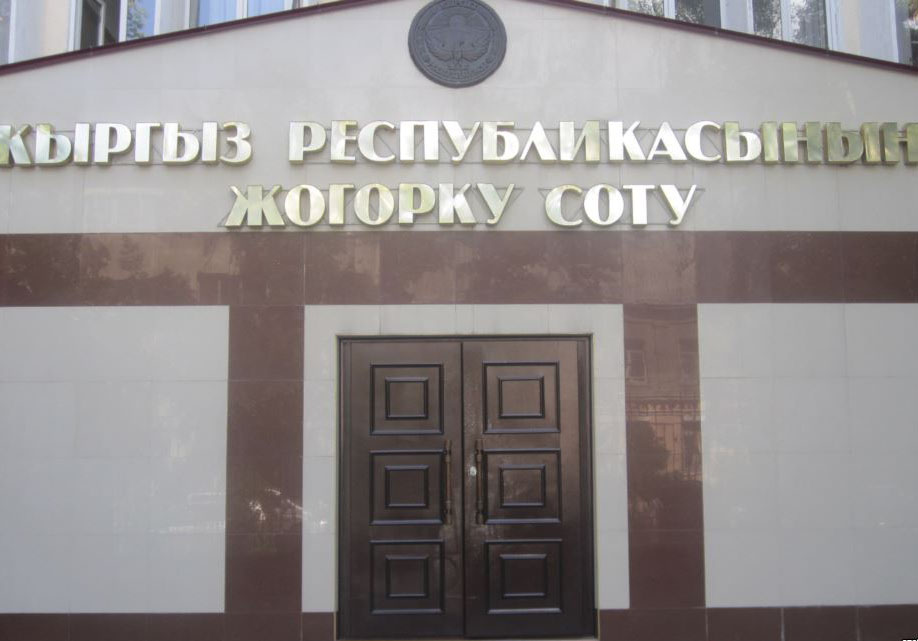
On 17 June, the ICJ will observe proceedings before the Supreme Court of the Kyrgyz Republic concerning searches of the workplace and homes of lawyers Valerian Vakhitov and Khusanbay Salieyv by law enforcement agents.
The case concerns confidentiality of lawyer-client communications and seizure of lawyers’ files, in light of the prohibition of arbitrary interference with privacy, correspondence, and home.
The Supreme Court of the Kyrgyz Republic is to consider the challenge of the Prosecutor’s Office to the decision of the Regional Osh Court of 30 April 2015.
The prosecutor also seeks disciplinary measures against the judges of the Regional Court who decided in favour of the protection of the professional guarantees of lawyers, ruling that the searches and seizures of documents were illegal.
The ICJ trial observation mission includes Olga Zimareva, a lawyer practicing in the Russian Federation and Almaz Osmanova, a lawyer in the Kyrgyz Republic and chair of the Central Asian League of Lawyers.
Following the conclusion of the case, the ICJ will publish its analysis of the proceedings and the judgment of the Supreme Court of the Kyrgyz Republic in light of international human rights law and international standards on the independence of the judiciary and the role of lawyers.
Contact:
Róisín Pillay, Director, Europe Programme, roisin.pillay(a)icj.org
Temur Shakirov, Legal Adviser, Europe Programme, temur.shakirov(a)icj.org
Kyrgyzstan-Trial observation-News-Web story-2015-RUS (full text in PDF, Russian)
Jun 16, 2015
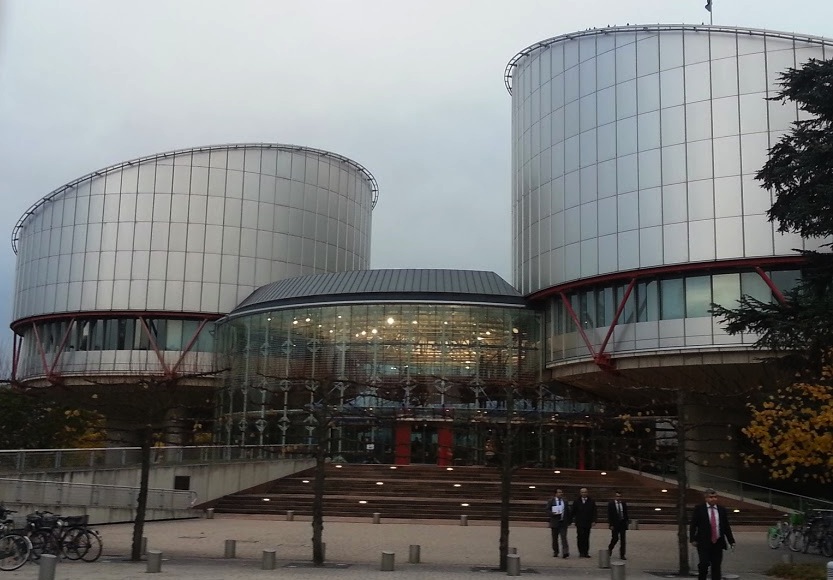
The ICJ presented a legal submission in the case Annagi Hajibeyli v. Azerbaijan and 28 other applications (Application no. 2204/11) to the European Court of Human Rights.
The submission concerns seizure of a lawyer’s documents of cases of his clients.
The submission focuses on international standards on the role of lawyers, including the obligation of non-interference with the work of lawyers and respect for lawyer-client confidentiality, as well as application of article 34 of the European Convention to the hindrance of the existence of the right to petition through interference with lawyers’ activities.
Azerbaijan-Hajibeyli v Azerbaijan final160615-Advocacy-legal submission-2015-ENG (full text in PDF)
Jun 8, 2015
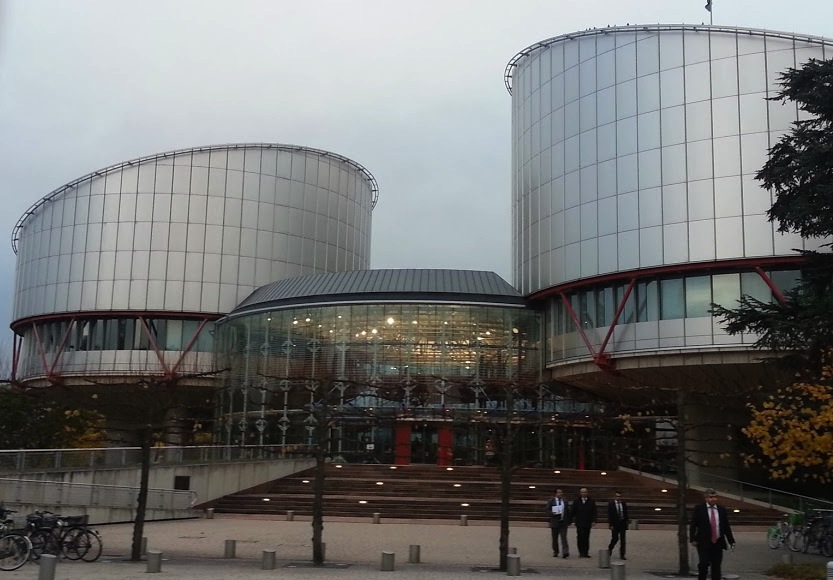
Today, the ICJ jointly with the AIRE Centre and ILGA-Europe submitted written submissions in the case of Klobučar v. Croatia (Application no. 28416/14) before the European Court of Human Rights.
The case, which concerns alleged ill-treatment at the hands of state officials motivated by homophobia, provides the Court with an important opportunity to identify the scope of the State Parties’ procedural obligations under the European Convention on Human Rights in such cases. These include the duty to take all reasonable steps to identify whether there has been any discriminatory motive behind the treatment said to be in violation of the Convention based on animus or prejudice against one’s real or imputed same-sex sexual orientation and/or gender identity or expression.
The submissions focus on:
- The nature and scope of the positive obligations of Contracting Parties under the Convention in respect of allegations disclosing credible evidence of treatment prohibited under Article 3;
- Same-sex sexual orientation and/or gender identity as a ground of discrimination; and
- The duty to take all reasonable steps to identify any discriminatory motive in connection with allegations of ill-treatment.
CROATIA-AMICUS in KLOBUCAR ECtHR-LEGAL SUBMISSION-2015-ENG

May 29, 2015 | Advocacy, News, Non-legal submissions, Position papers
The ICJ called today on the EU institutions to bridge the final implementation gaps to ensure an effective access to justice to victims of violent hate crimes.
The contribution of the ICJ was submitted as input for the European Commission’s first annual fundamental rights colloquium to be held next October and focused on “Tolerance and respect: preventing and combating antisemitic and anti-Muslim hatred in Europe”.
In its submission, the ICJ finds that the greatest weakness in addressing violent hate crime currently lies primarily in the failure of effective national implementation, which has meant that, despite development of the law, and despite authoritative recommendations from international and EU human rights bodies, the frequency of commission of violent hate crimes appears to have increased, and impunity for such crimes has persisted.
The ICJ considers that there are two main reasons for this lack of implementation: 1) lack of political or institutional will in Member States; 2) lack of implementation tools tailored to the laws, legal institutions and culture of the single national legal system.
The ICJ concluds, in its contribution, that it is the time for the European Union institutions to take up the opportunity to unite the efforts of all those concerned in the administration of justice – judges, court administrators, lawyers, civil society, judicial organizations, bar associations and government officers – throughout the EU to work together on the detailed technical assistance needed for an effective implementation of the right to an effective remedy for victims of crimes motivated by discrimination.
EU-Colloquium2015-ICJContribution-ViolentHateCrimes-Advocacy-non legal submission-2015-eng (download the submission)
May 19, 2015
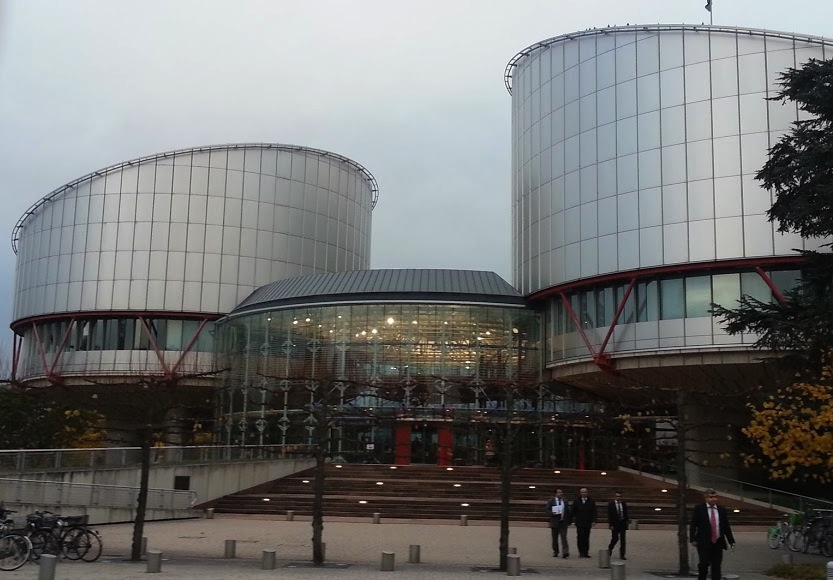
Today, the ICJ and other rights groups presented joint written submissions to the European Court of Human Rights in the case of A.T. v. Sweden (Application No. 78701/14).