Sep 13, 2013 | News
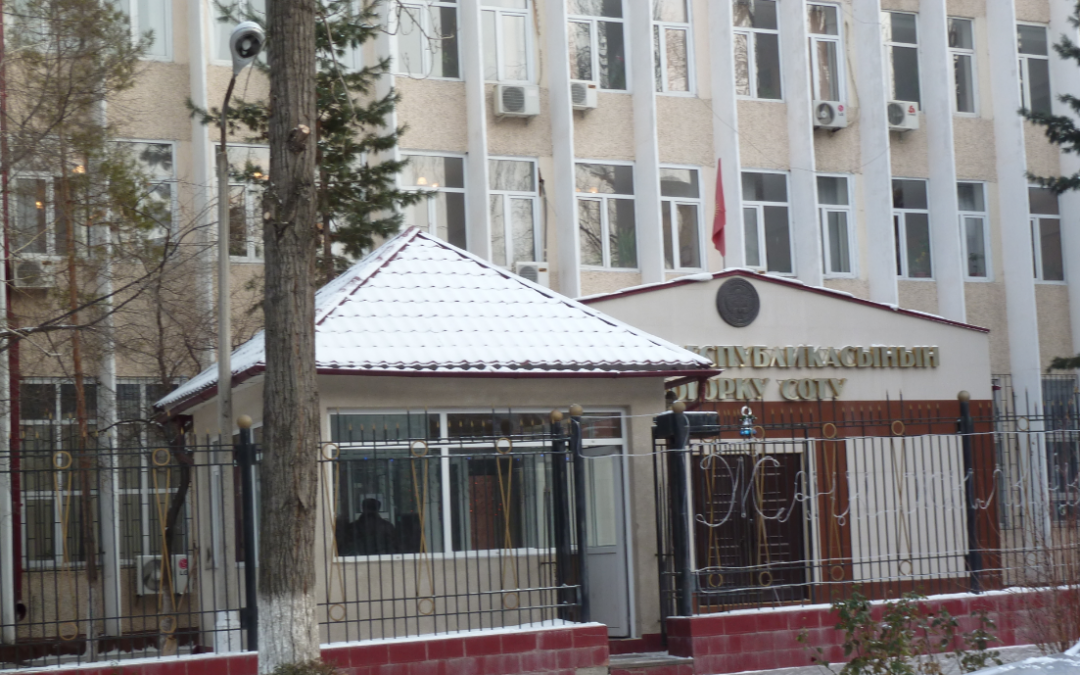
The ICJ welcomes the decision of the Osh Regional Court to overturn an intermediate ruling to initiate disciplinary proceedings against two lawyers representing the interests of a victim of sexual assault.
The ICJ sent a mission to observe today’s hearing. The mission raised no issues of concern regarding the conduct of the proceedings observed.
On 3 July 2013, the Osh City Court issued an intermediate ruling to initiate disciplinary proceedings against two lawyers, Valerian Vakhitov, Khusanbai Saliyev, for taking procedural steps provided for under Kyrgyzstan law, including filing motions to the upper judicial instances or filing motions to recuse the judge during and not before the trial.
Today, the Osh Regional Court upheld lawyers’ appeal and overturned the decision to initiate disciplinary proceedings against the lawyers.
The case concerns charges against a teacher in a religious institution for sexual acts with one of his students, a nine-year-old boy.
The representatives of the defendant alleged that he is not criminally responsible by reason of insanity – a proposition contested by the lawyers of the victim. The main trial is ongoing.
The trial was observed by an ICJ trial observation mission: Oleg Levytskyy (Ukraine) and Almaza Osmanova (Kyrgyz Republic).
The observers met with the court, the prosecutor, representatives of the victims and the defendant.
“We welcome the decision to overturn the ruling to initiate disciplinary proceedings against these lawyers,” said Róisín Pillay, Director of the ICJ Europe Regional Programme. “In accordance with international standards, it is the lawyers’ duty to assist their clients in every appropriate way and take legal action to protect their interests. Therefore punishing lawyers for their diligent work would run contrary to the obligation of the state to guarantee that lawyers can carry out their functions without intimidation, hindrance, harassment or improper interference.”
Contacts
Róisín Pillay, Director, ICJ Europe Programme, roisin.pillay(a)icj.org
Temur Shakirov, Legal Adviser, ICJ Europe Programme, temur.shakirov(a)icj.org
Kyrgyzstan-Osh_Lawyers_Trial Observation-news-web story-2013-rus (full text in pdf)
Sep 13, 2013 | Новости, Статьи
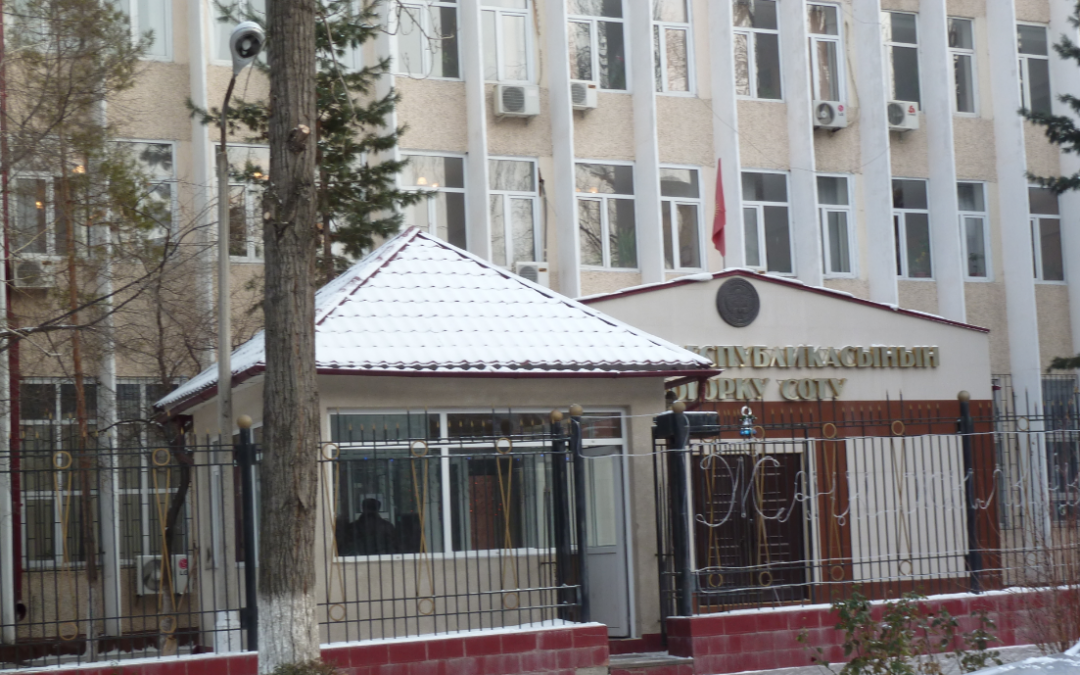
МКЮ приветствует решение Ошского областного суда об отмене частного определения о возбуждении дисциплинарного производства в отношении двух адвокатов, представляющих интересы жертвы сексуального насилия.
МКЮ направила миссию для наблюдения за сегодняшним слушанием. Миссия не обнаружила вопросов, вызывающих озабоченность в отношении наблюдаемого апелляционного процесса.
3 июля 2013 года, Ошский городской суд вынес частное определение о возбуждении дисциплинарного производства в отношении двух адвокатов, Валериана Вахитова , Хусанбая Салиева, за принятие ими процессуальных действий, предусмотренных законодательством Кыргызстана, включая, ходатайства в вышестоящие судебные инстанции или ходатайства об отводе судьи в ходе, а не не до начала судебного процесса.
Сегодня Ошский областной суд поддержал апелляцию и отменил решение о возбуждении дисциплинарного производства в отношении адвокатов. Дело касается обвинения учителя в религиозном учреждении в совершении половых актов с одним из своих учеников – девятилетним мальчиком.
Представители обвиняемого утверждают, что он не подлежит уголовной ответственности по причине невменяемости, что оспаривается адвокатами потерпевшего. Основное судебное разбирательство продолжается.
Наблюдение за судебным разбирательством осуществлялось миссией МКЮ: Олегом Левицким (Украина) и Алмазой Османовой (Кыргызская Республика).
Наблюдатели встретились с судом, прокурором, представителями потерпевших и подсудимого.
«Мы приветствуем решение об отмене постановление о возбуждении дисциплинарного производства в отношении адвокатов», – заявила Роушин Пиллей, директор Региональной программы МКЮ по Европе. «В соответствии с международными стандартами, обязанностью адвокатов является оказание помощи своим клиентам любыми надлежащими средствами, а также осуществление процессуальных действий для защиты их интересов. В этой связи, наказание адвокатов за их добросовестную работу противоречило бы обязательствам государства гарантировать, адвокатам возможность выполнения своих функций в обстановке, свободной от угроз, препятствий, запугивания или неоправданного вмешательства», – добавила она.
Контакты:
Роушин Пиллей, директор Региональной программы МКЮ по Европе, roisin.pillay(a)icj.org
Тимур Шакиров, правовой советник Региональной программы МКЮ по Европе, temur.shakirov(a)icj.org
Kyrgyzstan-Osh_Lawyers_Trial Observation-news-web story-2013-rus (полный текст, PDF)

Sep 10, 2013 | Доклады, Новости, Пресс-релизы, Публикации, Тематические доклады
Многие адвокаты в Центральной Азии сталкиваются с серьезными препятствиями при осуществлении своих функций, в том числе преследованиями, запугиваниями и физическими нападениями и нуждаются в значительно большей защите своей работы и независимости, говорится в новом большом докладе МКЮ, опубликованном сегодня.
Доклад «Независимость юридической профессии в Центральной Азии» оценивает проблемы в обеспечении независимости адвокатов в Центральной Азии, а также препятствия, с которыми сталкиваются адвокаты при оказании эффективной юридической помощи своим клиентам.
Он анализирует законодательство и практику, касающиеся юридической профессии, в каждой из пяти стран Центральной Азии: Казахстане, Кыргызстане, Таджикистане, Туркменистане и Узбекистане.
В докладе отмечается, что слабость юридической профессии глубоко укоренена в законе и правовой культуре стран Центральной Азии, и ассоциации адвокатов в некоторых странах полностью контролируются органами исполнительной власти, а в других – уязвимы для неправомерного влияния или вмешательства государственных органов.
В некоторых странах региона, недавние реформы юридической профессии имели регрессивный характер и способствовали дальнейшему ослаблению независимости адвокатов от исполнительной власти, что демонстрируется в докладе.
«По всей Центральной Азии, приверженные и независимые адвокаты, работающие для защиты прав своих клиентов, сталкиваются с преследованиями, запугиваниями и физическими нападениями, а также препятствиями в доступе к своим клиентам в местах лишения свободы и неравным обращением в судах, которые выносят обвинительные приговоры практически в 100 процентах рассматриваемых дел», – заявила Роушин Пиллей, директор программы МКЮ по Европе.
«С сильными, независимые институтами, регулирующими юридическую профессию профессию, и бόльшей защитой их работы и независимости, адвокаты в Центральной Азии могли бы вносить существенный вклад в укрепление верховенства закона в своих странах и реализацию защиты прав человека, гарантированных национальным и международным правом».
«Должна быть осуществлена значительная реформа и закона, и практики в целях обеспечения соответствия международным стандартам, касающимся роли адвокатов», – добавила она.
В докладе также рассматриваются механизмы вступления в юридическую профессию и лицензирования адвокатов, которые в большинстве стран Центральной Азии контролируются Министерством юстиции, а не независимыми ассоциациями адвокатов.
В нем говорится о том, что имеют место похожие проблемы дисциплинарных систем для адвокатов, которые, вопреки международному праву и стандартам, как правило, находятся под значительным государственным контролем или влиянием.
«Дисциплинарным системам стран Центральной Азии до сих пор не удалось решить давние проблемы адвокатов, в частности, некоторых адвокатов, работа которых оплачивается государством, и которые действуют не в интересах своих клиентов, а фактически под диктовку представителей обвинения или других влиятельных лиц», – сказал Тимур Шакиров, правовой советник Программы МКЮ по Европе.
«С другой стороны, вызывает озабоченность, что адвокаты, которые старательно выполняют свою роль в представлении интересов своих клиентов и защиты их прав в соответствии с признанными профессиональными стандартами, напротив, привлекаются к дисциплинарной ответственности или находятся под угрозой её применения».
В докладе содержатся рекомендации, направленные на обеспечение независимой и эффективной работы адвокатов в представлении интересов своих клиентов и защиты их прав человека .
Эти рекомендации основаны на нормах международного права и стандартах, включая Основные принципы ООН, касающиеся роли юристов, в которых утверждается обязательство правительств защищать адвокатов от угроз, препятствий, запугивания или неоправданного вмешательства при выполнении ими своих профессиональных обязанностей, а также защищать адвокатов в их праве формировать и поддерживать независимые, самостоятельные профессиональные ассоциации, представляющие их интересы, способствующие их подготовке и защищающие их высокий профессиональный уровень.
Контакты:
Роушин Пиллей, директор Региональной программы МКЮ по Европе, roisin.pillay(a)icj.org
Тимур Шакиров, правовой советник Региональной программы МКЮ по Европе, temur.shakirov(a)icj.org
Central Asia-Legal Profession Report.press release-2013-Rus (пресс-релиз, PDF)
Central Asia-Independence of the Legal Profession-Publication-2013-Rus (публикация на русском, PDF)
Фото: Алматинская Коллегия Адвокатов, Юридическая Консультация

Sep 10, 2013
Many lawyers in Central Asia face serious obstacles in carrying out their functions, including harassment, intimidation and physical attacks and are in need of much greater protection for their work and independence, an ICJ new report says.
Published today, The Independence of the Legal Profession in Central Asia assesses the challenges to the independence of lawyers in Central Asia, and the barriers lawyers in the region face in providing effective legal assistance to their clients.
The report analyses the laws and practices concerning the legal profession in each of the five Central Asian states, Kazakhstan, Kyrgyzstan, Tajikistan, Turkmenistan, and Uzbekistan.
It finds that the weakness of the legal profession is deeply entrenched in the law and legal culture of Central Asian states, and that lawyers’ associations are in certain countries wholly controlled by the executive, and in others are vulnerable to undue government influence or interference.
In some countries in the region, recent reforms of the legal profession have been retrogressive, and have further undermined lawyers’ independence from government, the report shows.
“Across Central Asia, dedicated and independent lawyers who work to protect the rights of their clients, are facing harassment, intimidation and physical attack, as well as impediments to accessing clients in detention, and unequal treatment in courts that impose convictions in nearly 100 percent of cases considered,” said Róisín Pillay, Director of the Europe Programme of the ICJ. “With stronger, independent institutions to govern the legal profession, and greater protection for their work and their independence, lawyers in Central Asia could contribute significantly to strengthening the rule of law in their countries and implementing human rights protections guaranteed under national and international law.”
“There needs to be significant reform both of the law, and of practice, to ensure compliance with international standards on the role of lawyers, ” she added.
The report also examines systems for entry to the legal profession and licensing of lawyers, which in most countries of Central Asia are controlled by the Ministry of Justice, rather than by independent associations of lawyers.
There are similar problems with the disciplinary system for lawyers, which, contrary to international law and standards, is typically subject to significant government control or influence, it says.
“The disciplinary systems of Central Asian countries have failed to address the long-standing problem of lawyers, particularly some state-funded defence lawyers, who act not in the interests of their clients, but effectively under the dictates of the prosecution or other powerful interests,” said Temur Shakirov, Legal Adviser of the Europe Programme. “On the other hand, it is a matter of concern that lawyers who diligently carry out their roles in representing their client’s interests and protecting their rights in accordance with recognized professional standards, have been threatened with or subjected to disciplinary measures.”
The report makes recommendations designed to ensure that lawyers operate independently and effectively to represent the interests of their clients and protect their human rights.
These recommendations are based on international law and standards including the UN Basic Principles on the Role of Lawyers, which affirm the obligation of governments to protect lawyers against intimidation, hindrance, harassment or improper interference in the performance of their professional functions, and protect the right of lawyers to form and maintain independent, self-governing professional associations to represent their interests, promote their training and protect their professional integrity.
CONTACTS:
Róisín Pillay, Director, ICJ Europe Programme, roisin.pillay(a)icj.org
Temur Shakirov, Legal Adviser, ICJ Europe Programme, temur.shakirov(a)icj.org
Central Asia-Legal Profession Report.press release-2013-Rus (full text in pdf)
Central Asia-Independence of the Legal Profession-Publication-2013-Eng (full text in pdf)
Central Asia-Independence of the Legal Profession-Publication-2013-Rus (full text in pdf)
Picture: Almaty Collegium of Lawyers, Legal Consultation

Sep 9, 2013
The ICJ, together with other NGOs, has issued a paper on the principles to be respected in the EU’s internal rules for its accession to the ECHR.
The AIRE centre, Amnesty International and the International Commission of Jurists have provided the Council Working Party on Fundamental Rights and Free Movement of Persons (FREMP) with a summary of its views on the development of the internal rules the European Union on accession to the European Convention on Human Rights (ECHR). The paper outlines the principles which must be respected, and the key issued which must be addressed, in the development of the internal rules, and stresses the importance of the rules to ensuring effective human rights protection under the EU Accession Agreement.
EuropeanUnion-AccessionECHR-Statement-2013 (Read the paper)
EUAccessionECHR-Paper-Joint-2013 (Read the 2013 joint paper on EU accession)
CoE-EUaccessionECHR-NGOsubmissions-2012 (Read the 2012 joint paper on EU accession)
CoE-EU-DraftAccessionAgreement-2013 (Read the draft accession agreement)