Egypt’s transition: a fundamentally flawed process
In a position paper published today, the ICJ sets out its concerns about measures taken by the transitional authorities in Egypt, in particular the Supreme Council of Armed Forces (SCAF).
In a position paper published today, the ICJ sets out its concerns about measures taken by the transitional authorities in Egypt, in particular the Supreme Council of Armed Forces (SCAF).
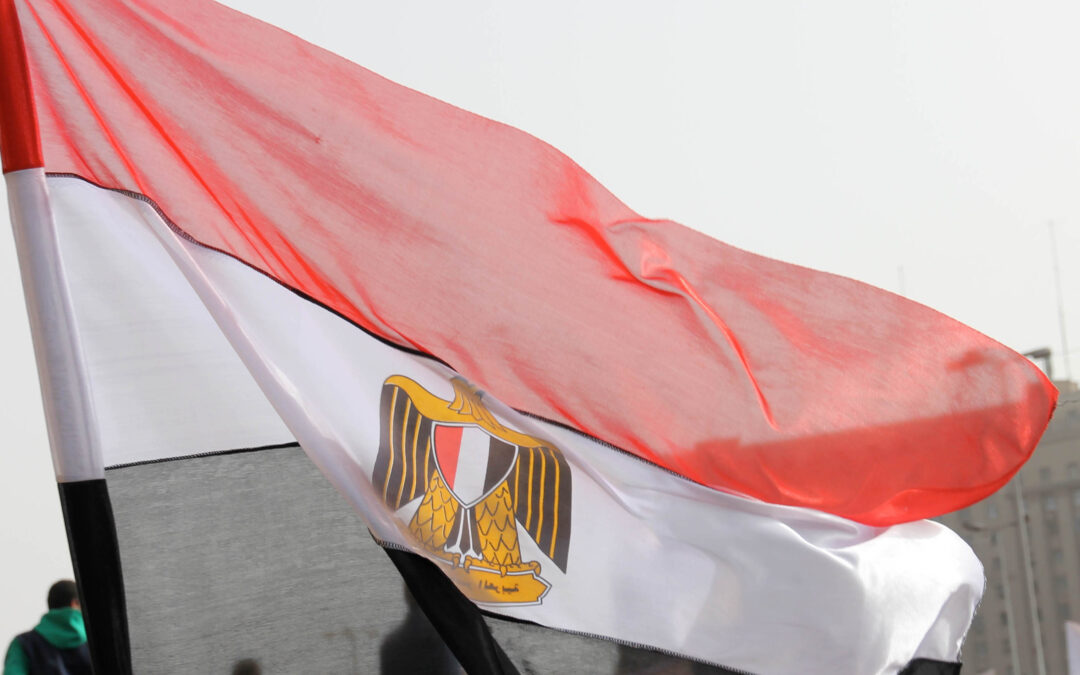
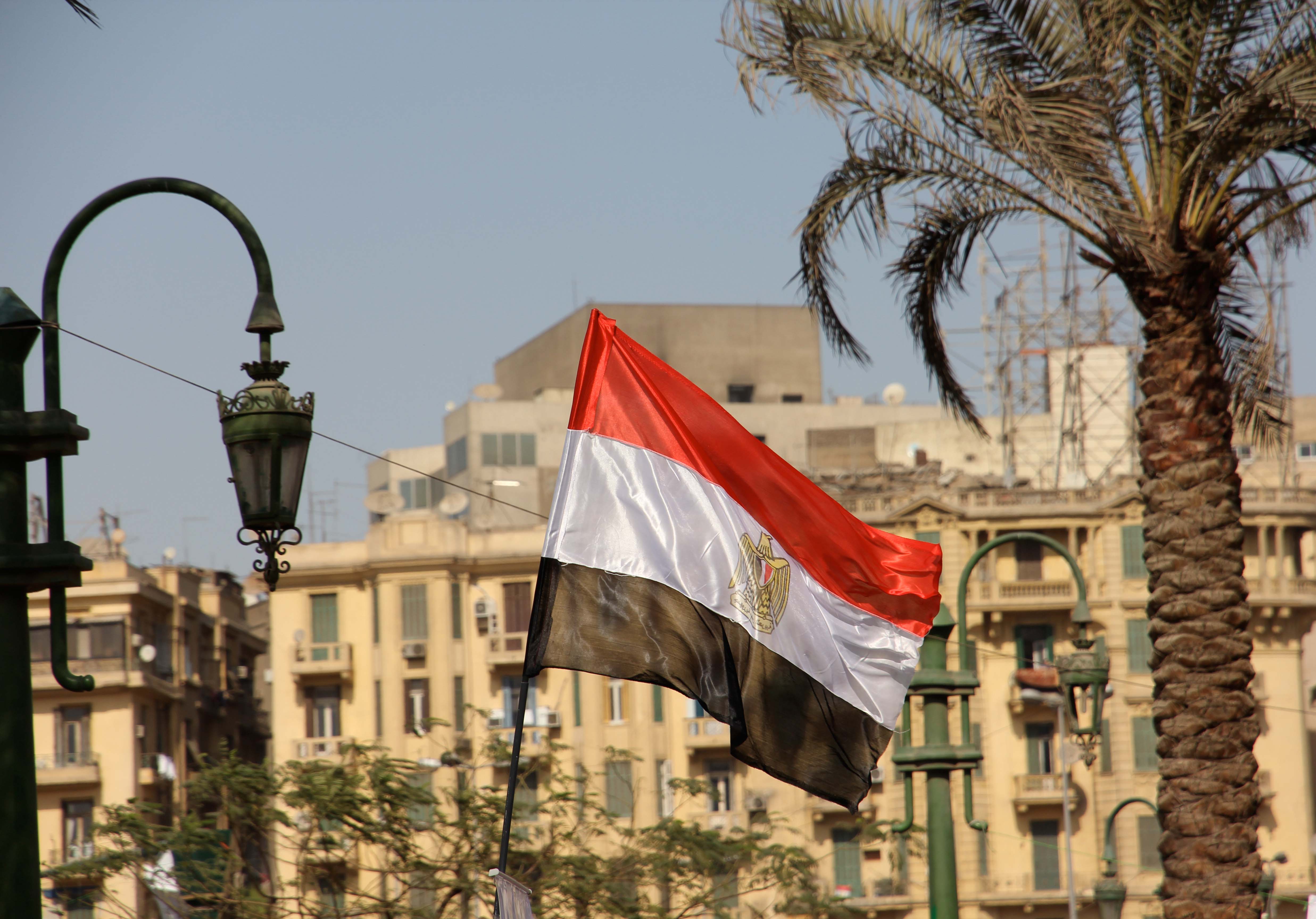 This paper addresses the deteriorating Rule of Law and human rights situation in Egypt.
Major examples of this situation include the consolidation of the powers of the Supreme Council of Armed Forces (SCAF), free from any civilian oversight, the control of the SCAF over the constitution-making process, the de facto extension of the 30-year state of emergency through the expansion of military power and the military justice system, and the continuation of widespread human rights violations under the rule of the SCAF.
Egypt HR situation Position Paper 2012 (download in English)

 In an open letter, the ICJ and other NGOs urged State delegations to the Human Rights Council to call on the Government of Bahrain to fully cooperate with UN human rights mechanisms.
Bahrein HRC Open letter 2012 (Download in English)
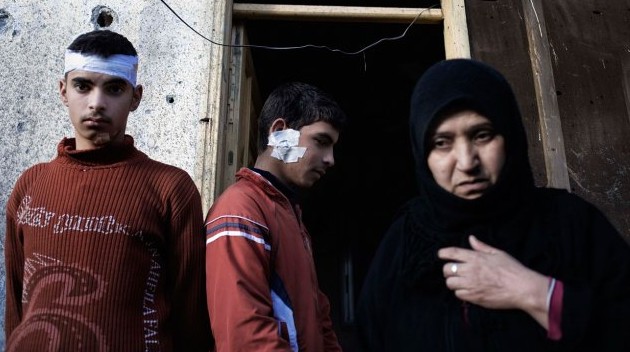
Opinion piece by Saïd Benarbia, Middle East & North Africa Senior Legal Adviser at the International Commission of Jurists (ICJ)
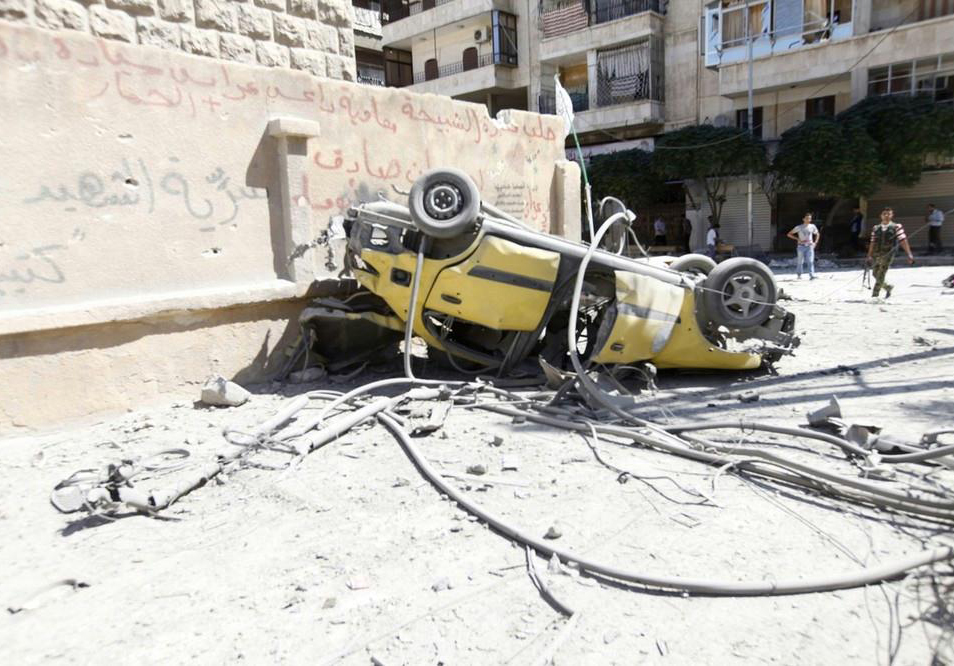
The statement was delivered today at the 19th Special Session of the UN Human Rights Council.
The International Commission of Jurists called on the Human Rights Council, as a matter of the utmost urgency, to request that the Security Council immediately refer the situation in Syria to the International Criminal Court (ICC) and to take concerted and united action with the General Assembly to end the ongoing massacres in Syria.
Syria-ICJ-Human Rights Council SS19-non legal submission-2012 (Full text in PDF)
 Europe: Strengthening access to justice for child victims with disabilities, from legal rights to meaningful participation
 Kenya: Kenya authorities must take steps to improve access to justice for women with disabilities, says UN Committee
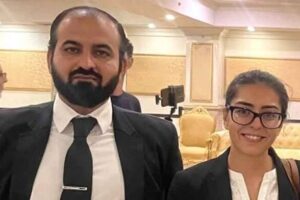 Pakistan: International civil society organisations condemn the sentencing of human rights lawyers Imaan Zainab Mazari-Hazir and Hadi Ali Chattha
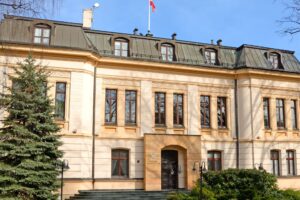 Poland: The Constitutional Tribunal crisis must be resolved by law, not by force