Jul 1, 1995
La mission visait à identifier et à définir les projets dont la mise en oeuvre est de nature à contribuer à l’amélioration et au renforcement de la promotion et de la protection des Droits de l’Homme au Maroc.
Le rapport contient neuf chapitres, comme suit :
- Composition et termes de référence de la Mission
- Le Contexte politique et institutionnel
- Remarques sur la Mission Conjointe du PNUD et du Centre des Droits de l’Homme des Nations Unies
- Besoins et requêtes des Associations de Défense des Droits humains – Projet de création d’un Centre de Documentation avec Statut indépendant
- Besoins en matière de sensibilisation des agents d’autorité (Procureurs, juges, policiers, gendarmes, personnel pénitentiaire) aux Droits de l’Homme
- Les Organisations Non-Gouvernementales Féminines
- Education et Formation aux Droits de l’Homme (Systèmes d’enseignement primaire, secondaire supérieur et instituts spécialisés)
- Conclusions et Recommandations
- Récapitulatifs des initiatives
L’Annexe contient des propositions et des rapports des projets par le Ministère des Droits de l’Homme et des ONG locales de défense des droits humains.
Morocco-human rights projects-fact-finding report-1995-fra (Texte complet en PDF)
Morocco-human rights projects-annex-fact-finding report-1995-fra (Annexe complète en PDF)

May 1, 1995
The judiciary and the legal profession have been traditionally held in high esteem in Egyptian society. For many years, the Egyptian regular judiciary has successfully played its rightful role as a protector of fundamental freedoms.

Jan 23, 1995 | News
The ICJ condemns the bomb attack at Beit Lid bus stop junction. The “Islamic Jihad” claimed responsibility for this act which resulted in the killing of 18 Israeli soldiers and one civilian, and injured tens of other persons.
The ICJ is concerned about the potential repercussions of this attack. The ICJ already calls on the Government of Israel to exercise maximum restraint and avoid taking disproportionate and collective action against Palestinian civilians for acts they did not commit. The ICJ urges all parties to put an immediate end to the violence.
Dec 13, 1994 | News
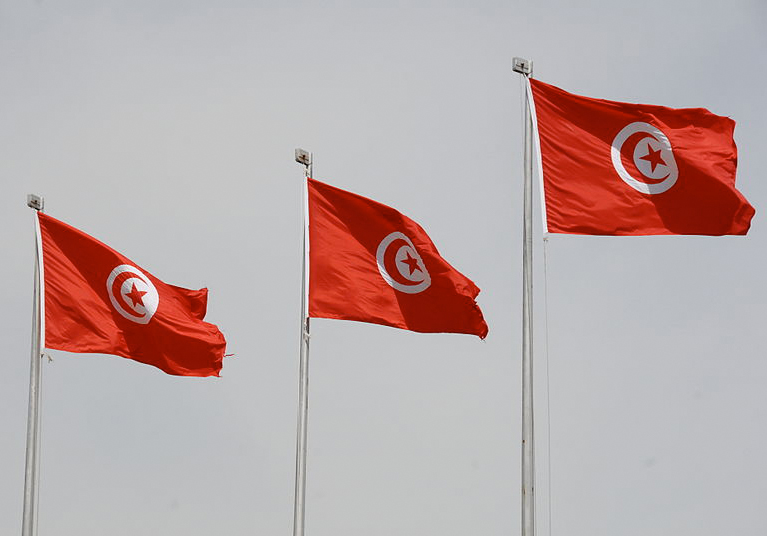
Today, the ICJ responded to the Tunisian Government about the Government’s intimidation of Tunisian judges.

Dec 9, 1994 | News
Today, the ICJ denounced the pressure which has been exerted against Tunisian judges who participated in a Seminar entitled Judicial Independence and Functions in Tunisia.
The Seminar was organized between 14-24 November 1994 in Tunis by the ICJ in collaboration with the Arab Institute for Human Rights and other governmental and non-governmental Tunisian institutions.
After the Seminar ended, the Ministry of Justice in Tunis exerted direct pressure on the Tunisian participants and asked them to withdraw their support of the document entitled Sommaire d’activités des cours (Summary of the Activities of the Course), a collection of reports drafted by participants during the Seminar.
The ICJ denounce the fact that the Ministry of Justice pressured participating judges to sign a new document significantly different in content.
The entire Seminar, including the session where the original document was discussed and adopted, was videotaped. Currently, the Ministry of Justice is in possession of the only copy of the videotape.
On this occasion, the ICJ Secretary-General, Adama Dieng, said: “We see these acts as direct attacks against the independence of the judiciary in Tunisia. We hope that no reprisals have been taken against those who had the courage to refuse to bow to pressure and sign the new document.”
The ICJ gave the opportunity to the Tunisian Government to remedy the situation before making their concern public. To date, however, no adequate response has been received. The ICJ, once again, invite the Tunisian Government to take urgent measures to remedy this situation.