Jun 26, 2020 | News
On the occasion of the International Day in Support of Victims of Torture, the ICJ, Advocacy Forum (AF) and Terai Human Rights Defenders Alliance (THRD Alliance) voiced concerns about the near total failure by authorities to investigate and prosecute acts of torture in Nepal.
Nearly two years after provisions in the new Penal Code that criminalized torture came into effect, not a single torture prosecution appears to have been brought. There have also been very few instances in which victims have received an effective remedy and reparation for their ill-treatment. Nepal has failed to meet its obligations in this regard under article 2(3) of the International Covenant of Civil and Political Rights and article 14 of the Convention Against Torture.
“Nepal has an obligation under international law to hold perpetrators accountable for acts of torture and cruel, inhuman or degrading treatment. This includes obligations as a party to the Convention Against Torture and the international Covenant on Civil and Political Rights,” said Frederick Rawski, ICJ Asia-Pacific Director. “It is disturbing to see that two years after the rightfully celebrated Penal Code provisions criminalizing torture have come into effect, the government has yet to successfully prosecute any acts of torture, which by all accounts continue to occur on a frequent basis.”
The Advocacy Forum and THRD Alliance both published reports today that document instances of torture and other ill-treatment against detainees over the past year. Some 20 percent of the more than 1000 detainees interviewed reported some form of unlawful ill-treatment during confinement.
“Although in some locations there appears to be some improvement in the treatment of detainees, torture and ill-treatment remains far too prevalent,” said Om Prakash Sen Thakuri, Advocacy Forum Executive Director. “Police still continue to rely on “confessions”, typically obtained by ill-treatment or coercion during interrogation, as opposed to conducting proper investigations. Our police institutions need serious reform to ensure that investigative practices conform to international law and standards.”
In a separate report analyzing the obstacles faced by victims in seeking justice for torture and ill-treatment, the THRD Alliance documented the complex challenges faced by torture survivors seeking accountability in the formal justice system. These obstacles included a frequently refusal by police to file a First Information Report on allegations of ill-treatment, statutes of limitation preventing cases from being prosecuted, and a lack of independence of police investigations in the rare cases when they do move forward.
“Despite repeated public commitments by justice sector and human rights institutions, such as the National Human Rights Commission and the Office of the Attorney General, torture survivors still struggle to have their voices heard or have their cases addressed,” said Mohan Karna, Executive Director of the THRD Alliance. “We urge the authorities at both the federal and provincial levels to take action to address the concerns of victims and to institute policies – such as establishing robust detention monitoring and internal accountability mechanisms – that will deter future acts of torture and ill-treatment.”
On the occasion of the International Day in Support of Victims of Torture, the three organizations urged the Government of Nepal to:
- Carry out prompt, thorough, impartial and effective investigations into all allegations of torture and ill-treatment, and to bring prosecutions where warranted under the criminal provisions of the Penal Code.
- Institute structural reform within the police including the establishment of a separate and independent mechanism to investigate allegations of torture and ill-treatment involving police personnel.
- Ensure public availability statistics on the investigation, prosecution and other action taken in response to allegations of torture and ill-treatment.
- Amend the Penal Code and other relevant provisions of law to eliminate the statute of limitations in torture cases, and to ensure that the definition of torture is in line with international law.
- Establish an independent preventative mechanism for monitoring of detention centers.
- Become party to the Optional Protocol of the Convention on Torture
Background
International Day in Support of Victims of Torture is marked worldwide on 26 June every year. Under the International Covenant on Civil and Political Rights (ICCPR) and Convention against Torture and Other Cruel, Inhuman or Degrading Treatment or Punishment (CAT), to which by Nepal is a party, the authorities to investigate, prosecute, punish and provide effective remedies and reparation for the crimes of torture and other acts of ill-treatment.
The Penal Code criminalizing torture came into force in August 2018. While it was welcome as positive step, the provisions fall short of international standards in a number of respects, including failure to recognize the continuous nature of the crime of enforced disappearance or its status as a crime against humanity; an unacceptably brief six-month limitation period to file complaints; and penalties incommensurate with the gravity of the crimes.
Download
Nepali (PDF)
English (PDF)
Contact
Frederick Rawski, ICJ Asia-Pacific Director, e: frederick.rawski@icj.org, t: +66 644781121
Om Prakash Shen Thakuri, AF, Executive Director, e: opsenthakuri@gmail.com, t: +977 9841275732
Mohan Karna, THRD Alliance, Executive Director, e: karnamohan90@gmail.com, t: +977 9841449139
Jun 23, 2020 | News
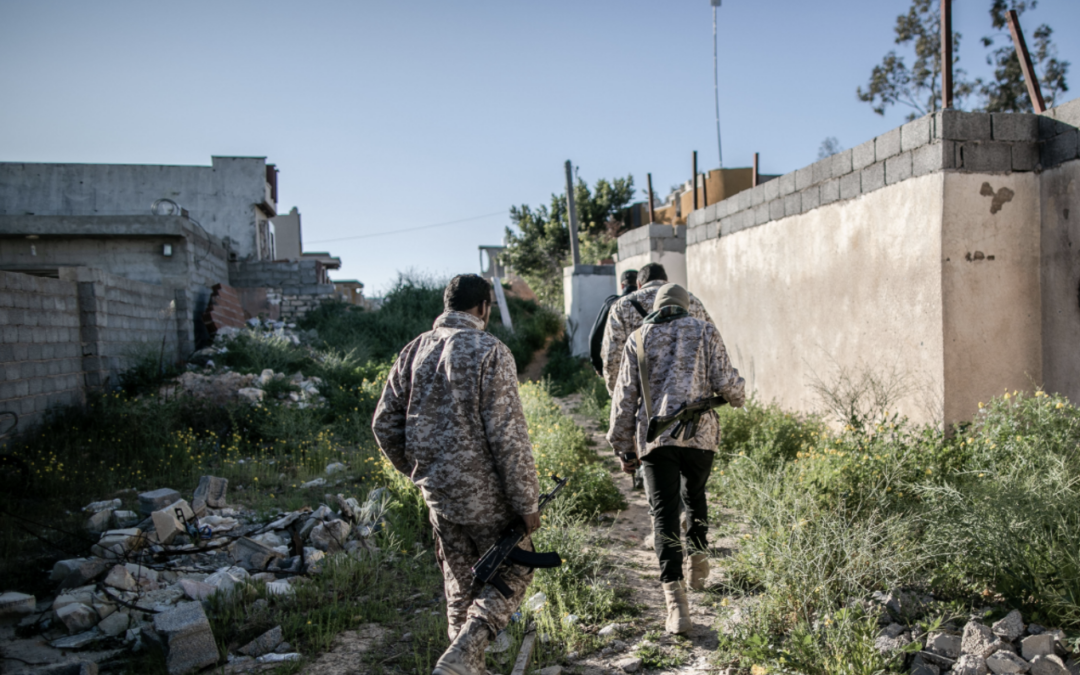
The ICJ welcomes the establishment of a Fact-Finding Mission (FFM) for Libya by the UN Human Rights Council (HRC) at its 43rd session yesterday.
The resolution, titled “Technical assistance and capacity-building to improve human rights in Libya,” mandates the FFM to investigate and preserve evidence of violations of international human rights law and international humanitarian law committed by all parties in Libya since the beginning of 2016, with a view to ensuring that perpetrators be held to account.
“This is a long overdue step in the pursuit of accountability in Libya,” said Said Benarbia, the ICJ’s MENA Programme Director.
“While parties to the conflict have escalated hostilities in recent years and Libyans have been increasingly subject to egregious violations of their rights, States have continued to prioritize politics over justice. The establishment of the FFM is a sign that international actors finally recognize accountability is necessary to end the scourge of violence in the country.”
The FFM is required to submit its written report to the HRC at the 46th session in February-March 2021, giving the FFM only nine months to carry out its work despite the ongoing imposition of COVID-19 measures that will impact its operations.
Given the FFM’s short operational period, the UN High Commissioner for Human Rights will have to move rapidly to appoint FFM experts and staff, allocate adequate resources and dispatch the mission. Staff appointed to the FFM should include experts in the investigation of sexual and gender-based violence crimes and the collection of evidence to a criminal standard.
“It’s imperative that the High Commissioner move quickly to dispatch this mission if it is to have any prospect of examining the full range of violations and abuses being committed across Libya,” said Kate Vigneswaran, the ICJ’s MENA Programme Senior Legal Adviser.
“The OHCHR should ensure the FFM has the full complement of skills and expertise to most effectively investigate crimes being committed in Libya, particularly the widespread sexual violence being perpetrated on women, girls, men and boys.”
The Government of National Accord, the Libyan Arab Armed Forces and all other parties to the conflict should fully cooperate with the FFM, including by granting access to the territories and population over which they have control, where possible in the context of COVID-19.
Other States, in particular those supporting Libyan actors in the ongoing conflict, should also provide full cooperation.
“The cooperation of both national and international actors is necessary for the FFM to engage with victims and preserve evidence, key components of its mandate,” Kate Vigneswaran added.
“While other international investigative mechanisms have shown it’s possible to carry out effective investigations without access to the affected territory, if Libyan actors are truly committed to the populations they assert they serve, they should be facilitating access to all forms of justice, whether national or international.”
The FFM will complement the work of the International Criminal Court in Libya, which has outstanding arrest warrants against Saif Al-Islam Gaddafi, Al-Tuhamy Mohamed Khaled and Mahmoud Mustafa Busayf Al-Werfalli.
The evidence preserved by the FFM may be used by the ICC, as well as States exercising universal jurisdiction, in their investigations and prosecutions.
Contact
Said Benarbia, Director of the ICJ Middle East and North Africa Programme, t: +41 22 979 3817; e: said.benarbia(a)icj.org
Kate Vigneswaran, ICJ Senior Legal Adviser, t: +31 62 489 4664, e: kate.vigneswaran(a)icj.org, twitter: @KateVigneswaran
Background
Violations and abuses of international law, including unlawful killings and attacks on civilian objects, have continued unabated in the last few months. Most recently, on 11 June 2020, the UN Support Mission to Libya reported the discovery of at least eight mass graves, mainly in Tarhuna, in which the bodies of women and children were found. Reports further indicate that the Libyan Arab Armed Forces (LAAF), and their foreign allies, have laid anti-personnel landmines and other booby-traps in buildings as they withdrew from Tripoli, leading to causalities including among civilians returning to their homes after long periods of displacement. Reports of incidents involving “retributive crimes”, including the parading of corpses and looting of perceived opponents’ houses and public property, by GNA-affiliated armed groups have also surfaced.
The ICJ has repeatedly called on States to support the establishment of an international investigative mechanism for Libya, including in the interactive dialogue on the oral update by the High Commissioner for Human Rights on the Situation in Libya.
The draft of the resolution adopted yesterday was numbered A/HRC/43/L.40. The official adopted version will be published by the UN in the coming weeks.
Jun 4, 2020 | News
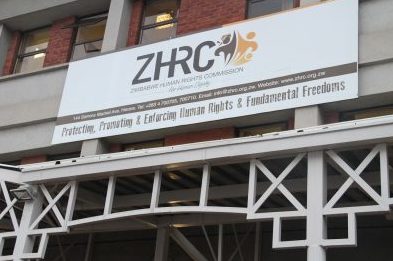
The ICJ today urged the country’s authorities to take immediate measures to fully reconstitute the Zimbabwe Human Rights Commission (ZHRC) after its operations were effectively suspended following the expiry of the terms of office of four of its Commissioners on 7 May 2020.
One Commissioner had already resigned in 2018 meaning that the ZHRC no longer has the constitutionally required quorum for it to make certain decisions that are fundamental to the protection of human rights in Zimbabwe.
“The inability by the ZHRC to fully execute its constitutional mandate has serious implications on the ability of individuals -in particular victims of human rights violations -to access justice,” said Arnold Tsunga, Director of the ICJ Africa Programme.
“The role of ZHRC, as Zimbabwe’s national human rights institution is critical in providing an avenue for redress to victims of human rights violations and the general public,” he added.
Zimbabwe has been witnessing an escalation of human rights violations requiring investigation by a fully functioning and effective Commission.
This spate of human rights violations has had a disproportionate impact on the poor and economically vulnerable in the context of the Covid-19 lockdown measures.
There have been an increase in targeting of human rights defenders, civil society leaders and political opposition, which have included acts of enforced disappearance and torture and other ill-treatment.
The ICJ underlined that while redress for such violations required strong and independent judiciary as a guarantor of human rights, the role of fully functional ZHRC was critical to complement that of the judiciary.
The ICJ called upon the authorities in Zimbabwe, and in particular the Parliamentary Committee on Standing Rules and Orders, to act expeditiously to ensure that the vacant positions are filled without any further delay to enable the ZHRC effectively perform and discharge its constitutional mandate.
The ICJ said that failure by the responsible authorities to act expeditiously to fill the vacant positions violated the core values and principles the Constitution of Zimbabwe, in particular section 324 of the Constitution which provides that “all constitutional obligations must be performed diligently and without delay”.
In addition, the President to fill in any vacant position within three months of death or resignation of a Commissioner. The position of Commissioner Khombe became vacant on the 30 October 2018, and has not been filled to date.
Additional Information
The ZHRC is established as an independent institution under Chapter 12 of the Zimbabwe constitution with the general objective to “support and entrench human rights and democracy; to promote constitutionalism; to promote transparency and accountability in public institutions; to secure the observance of democratic values and principles by the State and all institutions and agencies of government, and government-controlled entities; and to ensure that injustices are remedied.”
On 26 May the Chairperson of the ZHRC, Dr. E.H Mugwadi, wrote a letter notifying “partners and stakeholders” of the retirement of four Commissioners, namely Dr Ellen Sithole (former Deputy Chairperson), Dr Joseph Kurebwa, Kwanele M. Jirira and Japhet Ndabeni-Ncube with effect from 7 May. The Chairperson noted that the retirement had left the Commission lacking the quorum to fulfil its constitutional obligations, particularly with respect to make policy resolutions and the adoption of monitoring and investigation reports. The Commission had also been unable to adopt Commission reports its activities.
International standards for effective and credible National Human Rights Institutions (NHRIs) are contained in the United Nations Principles relating to the Status of National Institutions (Paris Principles), which provide that NHRIs must be adequately resourced with sufficient institutional capacity to perform and discharge their responsibilities.
Contact:
Arnold Tsunga, ICJ Africa Director, t: +263 777 283 249; e-mail: arnold.tsunga(a)icj.org
Blessing Gorejena, ICJ Senior Legal Adviser, t: +263 772 151 989, e-mail: Blessing.Gorejena(a)icj.org
Apr 17, 2020 | News
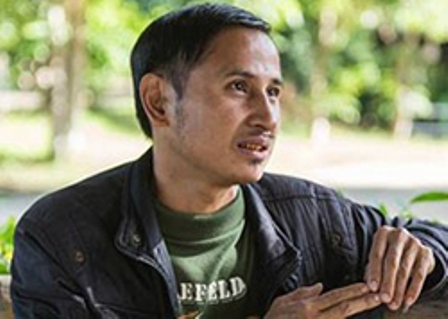
On the sixth anniversary of the apparent enforced disappearance of Karen activist, Pholachi “Billy” Rakchongcharoen, the ICJ repeated its calls for Thailand to bring those responsible to justice and apply appropriate penalties that take into account the extreme seriousness of the crime.
On 23 December 2019, after the Thai Ministry of Justice’s Department of Special Investigation (DSI) in September had located bone fragments which they identified as likely belonging to Billy, eight charges, including premeditated murder and concealing the body, were brought against four officials of Kaeng Krachan National Park, with whom Billy was last seen. However, in January 2020, public prosecutors suddenly dropped seven murder-related charges against the four accused on the basis that there was insufficient evidence to take the cases to trial.
“It is disturbing that after six years the prosecutors could not move forward with the prosecution because the authorities failed to gather evidence to identify the perpetrator for Billy’s murder despite the discovery of bone fragments,” said Frederick Rawski, Asia Regional Director of the ICJ. “Thai authorities should, pursuant to its international legal obligations, continue to gather other direct and circumstantial evidence to prosecute and punish perpetrator with appropriate penalties.”
The four suspects are now facing only a minor charge for failing to exercise their official functions because they released Billy instead of handing him over to the police after they took him into custody in April 2014 for collecting wild honey in the park.
“Thailand needs to implement legislation criminalizing enforced disappearance without delay so that prosecutors have the appropriate tools to prosecute those responsible, and are not forced to bring charges for crimes of lesser gravity,” he added.
Download the statement with detailed background information in English and Thai.
Contact
Frederick Rawski, ICJ Asia-Pacific Director, t: +66 64 478 1121; e: frederick.rawski(a)icj.org
Further reading
Thailand: discovery of “Billy’s” remains should reinvigorate efforts to identify perpetrator(s)
Thailand: continuing delay in the enactment of the draft law on torture and enforced disappearance undermines access to justice and accountability
Mar 10, 2020 | Advocacy, Non-legal submissions
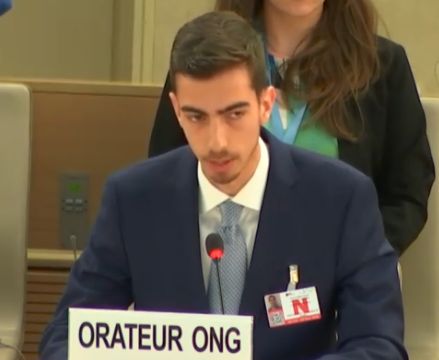
The ICJ today spoke in the final interactive dialogue with the current UN Special Rapporteur on human rights in Myanmar, at the Human Rights Council in Geneva.
The statement read as follows:
“The ICJ salutes what the current Special Rapporteur has achieved in the mandate despite withdrawal of cooperation by the Government, and shares the concerns expressed in this final report (A/HRC/43/59), particularly the urgent need to establish peace and security in Rakhine State without compromising human rights law and international criminal accountability for gross human rights violations.
The ICJ recalls the obligations of Myanmar under international human rights law. The Government must ensure that human rights are not violated in the context of conflict with the Arakan Army. The longstanding internet shutdown in Rakhine and Chin States must be ended. Due process rights of persons arrested must be respected.
The ICJ also welcomes the Order of provisional measures in the case brought by The Gambia at the International Court of Justice. Myanmar must comply and prevent further acts of genocide.
The Myanmar Government must also ensure accountability for mass atrocities. In a briefing paper last year, the ICJ proposed Constitutional, legislative and institutional reform of Myanmar’s National Human Rights Commission to enable it to independently and effectively investigate allegations of human rights violations. The Myanmar Government should also cooperate with the Independent Investigative Mechanism for Myanmar and the International Criminal Court.
The ICJ would like to ask: based on your experience in the mandate, how can States best strengthen support for the mandate and the various international accountability initiatives underway?”