Feb 20, 2018 | News
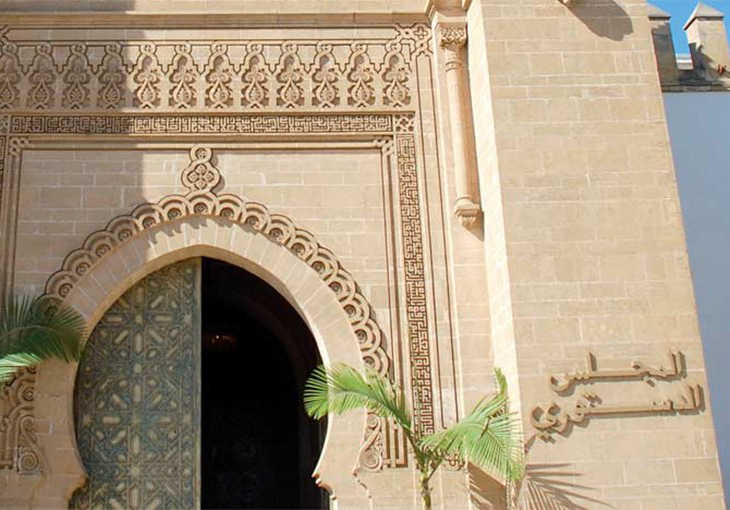
In a memo published today, the ICJ called on the Moroccan authorities to refrain from signing into Law Draft Organic Law No. 86.15 on access to the Constitutional Court with a view to amending it and ensuring its full compliance with international standards.
On 8 August 2017, the House of Representatives approved the Draft Law.
The Second Chamber of the Parliament, the House of Counselors, approved the Draft Law on 16 January 2018.
Before its promulgation, the Draft Law is due to be reviewed by the Constitutional Court to assess its compliance with the Constitution.
“The Draft Law is a missed opportunity to facilitate individuals’ access to the Constitutional Court and to remedy Morocco’s history of inadequate procedures of constitutional review,” said Said Benarbia, ICJ MENA Director.
“By providing for a two-layered admissibility system that includes vague and subjective criteria, and by omitting to extend free and competent legal assistance to those unable to pay when challenging the constitutionality of laws, the Draft Law puts undue burden on the litigants and curtails their access to the Court,” he added.
Under the Draft Law, a request to challenge the constitutionality of a law can only be introduced in the context of a litigation.
Lower courts are to refer the request to the Cassation Court after reviewing it and confirming that the formal and legal requirements set out in the Draft Law are met.
The Cassation Court shall then assess the challenge and refer it to the Constitutional Court if deemed “serious.”
The ICJ is concerned that this proposed procedure increases the likelihood that some laws and provisions may never be subjected to constitutional review, and that litigants may be blocked in their efforts to ensure the review of the constitutionality of the laws.
Moroccan authorities should provide for lower courts to immediately refer constitutionality challenges to the Constitutional Court, as well for other avenues of access, including for individuals and NGOs to be enabled to join proceedings as interested parties or to submit information as amicus curiae or through expert opinions, the ICJ says.
Under international law, anyone who alleges they have been the victim of a human rights violation has the right to access to an effective remedy, including a judicial remedy.
In Morocco, ensuring that alleged victims have access to constitutional review is of key importance to fulfilling this right within the national legal system.
Morocco-Access Const Ct-News-web story-2018-ARA (full story in Arabic, PDF)
Morocco-Access Const Ct-Advocacy-Position paper-2018-ENG (Memo in English, PDF)
Morocco-Access Const Ct-Advocacy-Position paper-2018-ARA (Memo in Arabic, PDF)
Feb 13, 2018 | News
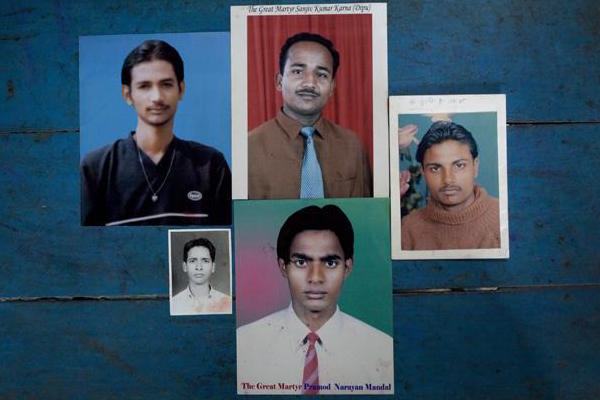
The one-year extensions of Nepal’s two transitional justice mechanisms without necessary legal and institutional reforms ordered by the Supreme Court and the UN are insufficient to comply with international standards, the ICJ, Amnesty International and Human Rights Watch said today.
The three organizations warned that the mere extension of the terms of the Truth and Reconciliation Commission (TRC) and the Commission on the Investigation of Enforced Disappeared Persons (CIEDP) is likely to prolong the justice process without meaningfully improving the chances that victims will have their demands for justice, truth, and accountability met.
“The net worth of these two bodies has now been tested by the victims in Nepal who are deeply dismayed and disappointed at not having been served truth and justice—even after years of delay,” said Biraj Patnaik, Amnesty International’s South Asia Director.
On February 5, 2018, the Government of Nepal extended, for the second time, the mandates of the TRC and CIEDP by one year without taking any measures to ensure their credibility and human rights compliance, and to increase the capacity of the Commissions as demanded by victims, civil society groups, and the National Human Rights Commission of Nepal (NHRC).
On the same day, the NHRC called on the government to amend the Enforced Disappearances Enquiry, Truth and Reconciliation Commission Act, 2014, in line with international standards and the judgements of the Supreme Court of Nepal.
The TRC and CIEDP have fallen short of international standards, both in constitution and operation, despite repeated orders by the Supreme Court of Nepal.
Among other flaws, the current legal framework allows for the possibility of amnesties and effective impunity for gross human rights violations amounting to grave crimes under international law, and the broad authority to facilitate reconciliation, including without the informed consent of the victims and their families.
In addition, a non-consultative, uncoordinated and opaque approach to their work has also created distrust with all major stakeholders, including conflict victims and members of civil society.
Where the Commissions have made efforts to work effectively, they face problems due to a lack of sufficient human and financial resources.
“Families and victims of Nepal’s decade-long civil war have waited far too long for answers, and cynical government attempts such as extending the mandate without broader reform as directed by the highest court is a further slap in the face,” said Meenakshi Ganguly, South Asia director at Human Rights Watch.
“The two commissions have gathered a lot of documentation, but the authorities seem more committed to protecting perpetrators than ensuring justice in the process.”
Despite flaws in the law, and questions of legitimacy and capacity, victims and their families have given the benefit of the doubt to these bodies, and submitted thousands of complaints.
As of February 2018, the TRC has received 60,298 complaints of human rights violations, and the CIEDP has received 3,093 complaints of enforced disappearance.
Though the Commissions have stated that they have initiated investigations into some of these cases, there are serious concerns about the quality of these investigations, and to date, not a single case has been recommended for prosecution.
“Now a member of the UN Human Rights Council, the international community has high expectations of the government of Nepal,” said Frederick Rawski, Asia Director of the International Commission of Jurists.
“It needs to commit to ensure that these institutions function independently and free from political interference, and in accordance with international standards that prohibit impunity for gross human rights violations. Merely extending their mandates without addressing the underlying problems is not adequate.”
Contacts
Frederick Rawski, ICJ Asia Pacific Regional Director, t: +66 64 478 1121, e: frederick.rawski@icj.org
Meenakshi, Ganguly, South Asia Director, Human Rights Watch, e: gangulm@hrw.org
Omar Waraich, Deputy Director, Amnesty International South Asia, t: +94 72 737 5467; e: omar.waraich@amnesty.org
Background
The TRC and CIEDP were established on 10 February 2015 through the Enforced Disappearances Enquiry, Truth and Reconciliation Commission Act, 2014.
The two-year mandates of the TRC and CIEDP expired on February 9, 2017.
The government extended the mandates for one year.
On 20 January 2018, the President approved an Ordinance extending the mandate of the two Commissions.
On the basis of the Ordinance, the Council of Ministers, on 5 February 2018, extended the mandates of these bodies for an additional year.
Jan 16, 2018 | News, Publications, Reports, Thematic reports
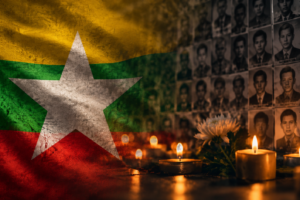
Myanmar’s government must take concrete action to counteract decades of military impunity for human rights violations, the ICJ concluded in a report published today.
The report Achieving Justice for Gross Human Rights Violations in Myanmar finds that gross human rights violations in Myanmar rarely go punished, particularly in conflict areas.
Justice remains elusive for victims and their families as a result of laws, institutions and investigative practices that protect members of security forces from prosecution, the ICJ says.
“Decades of denial of justice for victims of gross human rights violations in Myanmar, and impunity for the perpetrators, particularly when involving the military, have severely eroded the rule of law,” said Sam Zarifi, the ICJ’s Secretary General.
“The Myanmar government must now take concrete steps to combat impunity, especially for the military,” he added.
The release of the ICJ’s report follows last week’s statement from the Office of the Commander in Chief of the Tatmadaw, Myanmar’s military, acknowledging that security forces had participated in the killing of ten Rohingya Muslims in Rakhine State’s Inn Dinn Village.
It is the Tatmadaw’s first admission of serious crimes perpetrated by security forces during its ‘clearance operations’, which have resulted in mass displacement and human rights violations, following attacks on police posts by the Arakan Rohingya Salvation Army on 25 August 2017.
Military and security personnel in Myanmar seldom face justice for human rights violations, because they are protected by legal provisions of the 2008 Constitution, the 1959 Defence Services Act and the 1995 Police Force Maintenance of Discipline Law, which include immunities and special courts that shield soldiers, police and officials from public criminal prosecutions for serious crimes, the ICJ notes.
The ICJ’s report finds that investigations into allegations of rights violations rarely result in effective prosecutions or redress.
Eight case studies – from Kachin, Karen, Mon and Rakhine states – illustrate how victims and their families, as well as journalists and human rights defenders, lack access to justice and are even harassed for seeking it.
“Admission of culpability for this one incident is an important first step and must be followed by a full and proper investigation, and justice for the victims and their families,” said Zarifi.
“The dire human rights situation in northern Rakhine State, and in conflict areas such as in Shan and Kachin states, necessitates credible, independent and impartial investigations with a view to publicly prosecute those responsible for unlawful acts and their commissioning.”
“Options available to the parliament and to the executive include addressing barriers to accountability, by reforming laws that protect security forces involved in serious crimes, and by aligning investigative procedures with international standards,” he added.
Contact
Alex Conte, ICJ Global Accountability Coordinator (Geneva), t: +41 79 957 2733; e: alex.conte(a)icj.org
Frederick Rawski, ICJ Asia Pacific Regional Director (Bangkok), t: +66 6 4478 1121 ; e: frederick.rawski(a)icj.org
Background
Special inquiries commissioned by the Government of Myanmar into allegations of human rights violations generally fail the test of independence and impartiality, or are severely undermined by inadequate resources and or restricted mandates.
These inquiries rarely result in effective prosecutions or access to remedies and reparation.
Members of security forces, when prosecuted, usually appear in military or special police courts, which generally impose low or meaningless sanctions that are wholly inconsistent with penalties applicable in Myanmar’s Penal Code.
Laws governing military and police acts are inadequate for the victims of human rights violations because they do not contemplate the provision of remedies and reparation.
There is very limited precedent or established practice for the provision of effective remedies or reparation for victims of criminal acts in Myanmar, particularly when such crimes involve human rights violations by State actors.
Wittingly or unwittingly, relevant authorities routinely violate national laws that prescribe procedures for the conduct of criminal investigations and prosecutions, particularly in politically sensitive cases involving human rights violations.
Violations of basic fair trial rights, included in national laws, are commonplace.
State authorities continue to exert improper influence on politically-sensitive court cases including those involving allegations of gross human rights violations.
Courts tend to not intervene where human rights violations are occurring nor do they guarantee non-repetition where they have occurred.
Prosecutors rarely, if ever, accept petitions from victims of gross human rights violations to initiate criminal proceedings.
The judicial harassment of victims of human rights violations is commonplace in Myanmar when victims, their families or lawyers seek remedies or reparation through the courts or other mechanisms.
Defamation and unlawful association are among the criminal charges commonly instituted by authorities, including against journalists investigating human rights violations or working in conflict areas.
Overall, Myanmar’s prosecutors lack the independence to effectively prosecute acts involving human rights violations.
Interference with and intimidation of lawyers, particularly in politically sensitive cases involving human rights violations, undermines their to effectively represent clients and to pursue effective remedies and reparations.
Download
Myanmar-GRA Baseline Study-Publications-Reports-Thematic reports-2018-ENG (full report in English)
Myanmar-GRA-Baseline Study-Publications-Reports-Thematic-reports-2018-BUR (full report in Burmese)
Myanmar-Accountability Baseline report-News-Press releases-2018-BUR (Burmese translation)
Read also
Questions & Answers on Human Rights Law in Rakhine State
Reuters journalists detained in Myanmar: respect their rights, end their incommunicado detention
Dec 12, 2017 | News
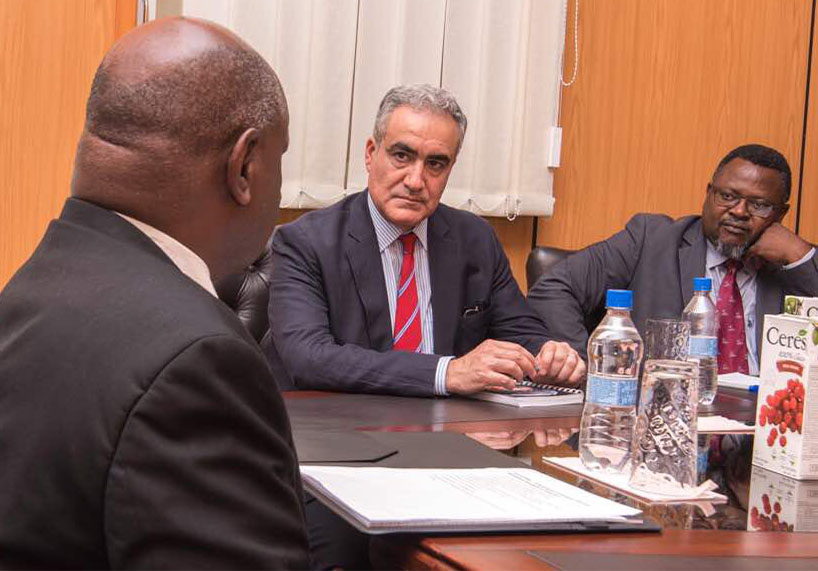
Zimbabwe’s new government must urgently restore the rule of law and ensure free and fair elections, said the ICJ at the conclusion of a visit by its Secretary General Sam Zarifi to the country.
After the recent military intervention in Zimbabwe that led to the ouster of former President Robert Mugabe, the government headed by Emmerson Mnangagwa is expected to remain in office until new elections, currently scheduled to be held before August 2018.
“The change in leaders in Zimbabwe presents an opportunity to reverse decades of damage to the rule of law and respect for human rights in the country,” said Zarifi, ICJ’s Secretary General.
“As an immediate matter, the new government must take concrete steps that demonstrate it is committed to observing the country’s obligations under international law, as well as the human rights protections of Zimbabwe’s own constitution,” he added.
The ICJ calls on the government of Zimbabwe to:
- ensure free and fair elections are held as scheduled, and the country’s electoral laws comply with the Constitution and international standards;
- accelerate measures to ensure compliance of all relevant laws with the country’s constitution and its international legal obligations;
- ensure the independence of the judiciary and the legal system;
- ensure all those arrested and detained during the military intervention are identified and brought immediately before an independent and impartial tribunal, and, where charged with recognized crimes, are given fair trials;
- investigate all allegations of unlawful deaths, torture or ill-treatment, and arbitrary arrest and detention;
- ensure the military acts within strict legal bounds, operates under civilian control, and does not engage in arrest and detention of civilians;
- ensure all security forces, including the police and the military, are subject to accountability and receive proper and adequate training in performing their duties in conformity with international human rights standards; and
- provide credible mechanisms to combat corruption in all branches of government, and ensure that anti-corruption efforts are not politicized.
“Zimbabwe’s military has played a central role in the country’s affairs for decades, while civilian institutions have suffered under intense political pressure, at great cost to the people of the country,” Zarifi said.
“Zimbabwe should grasp this opportunity to demonstrate that it can and will strengthen the rule of law and respect for human rights in order to improve the lives of all people in the country.”
Contact
Arnold Tsunga, ICJ-Director: Africa Regional Programme, t: +27716405926, e: arnold.tsunga(a)icj.org
Dec 8, 2017 | News
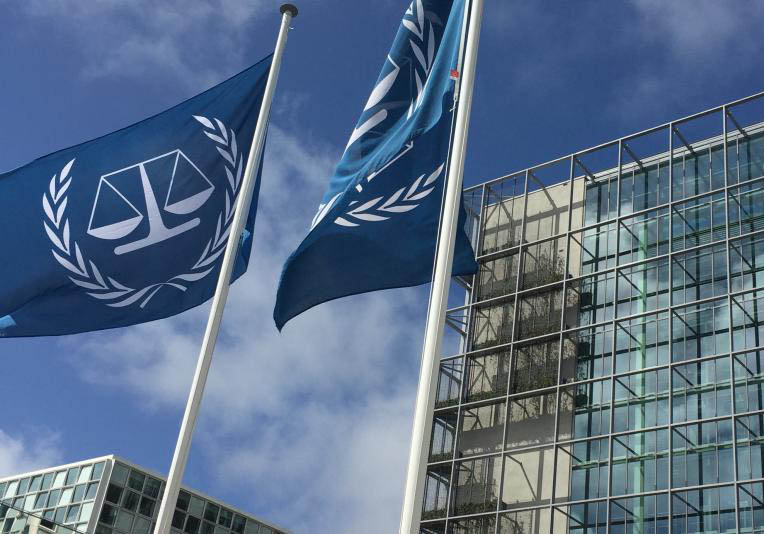
The South African government should reconsider its move to withdraw from the ICC, said the ICJ, the Southern Africa Litigation Centre and Lawyers for Human Rights, local, regional and international human rights advocacy organizations.
This will be the second attempt by South Africa to withdraw from the Rome Statute, after the first attempt in 2016 was declared unconstitutional by the High Court after being successfully challenged by several parties including the Southern Africa Litigation Centre.
This week Minister Michael Masutha announced the government’s intention to pursue withdrawal from the ICC in a speech at the Assembly of State Parties of the ICC in New York.
The Minister was critical of Pre-Trial Chamber ruling of the ICC, which found that South Africa was obliged to arrest and detain Sudanese President Omar Al-Bashir.
He claimed that South Africa’s continued membership on the ICC would undermine “its ability to carry out its peace-making mission efforts in Africa” and “fulfill its role as mediator for peace”.
“The pursuit of justice and the pursuit of peace are complementary and mutually reinforcing objectives that South Africa will best achieve by remaining party to the Rome Statute of the ICC,” said Kaajal Ramjathan-Keogh, Executive Director of the Southern Africa Litigation Centre.
“Protecting heads of state from justice compromises efforts at trying to establish peace. South Africa’s refusal to arrest Bashir is an affront to Darfur victims,” she added.
Arnold Tsunga, the ICJ’s Africa Director said: “The notion that South Africa needs to embrace impunity in order to help peace is irrational and at odds with experience around the world. Greater accountability, for instance through international mechanisms, assists the rule of law, development efforts and respect for human rights. It is vital that South Africa projects itself as a leader in anti-impunity efforts in the region.”
“Withdrawing from the ICC would destroy a pillar of African efforts to tackle impunity which would be an unfortunate move for South Africa and the international community,” he added.
Masutha did not outline how the withdrawal will take place in compliance with South African law, indicating only that he would “shortly serve on Parliament” notice of withdrawal.
The African National Congress (ANC), South Africa’s ruling party, has indicated that it will discuss the issue of withdrawal at its policy conference scheduled for later this month.
According to a High Court judgment handed down earlier this year, however, the executive has no legal authority to withdraw South Africa from the ICC.
The High Court held “South Africa can withdraw from the Rome Statute only on approval of parliament and after the repeal of the Implementation Act”.
If notice were given to Parliament, it would have to independently consider the merits of withdrawal.
Under South African law the public should then be given an opportunity to participate in this process, which would involve the repeal of the Implementation Act.
“There is the added danger of an impunity gap should South Africa pull out of the ICC without putting in place any other mechanisms to ensure accountability for international crimes. There are currently no other regional or international fora to prosecute serious crimes under international law,” said Jacob van Garderen, Director of Lawyers for Human Rights.
Contact
Arnold Tsunga, ICJ’s Africa Director, t:+27 716405926, e: arnold.tsunga@icj.org
Tim Fish Hodgson, ICJ Legal Adviser, t:+27 828719905, e: timothy.hodgson@icj.org
Contact at Southern Africa Litigation Centre: Kaajal Ramjathan-Keogh kaajalr@salc.org.za / +27 84514 8039
Contact at Lawyers for Human Rights: Jacob van Garderen, jacob@lhr.org.za / +27 828203960
Background
Burundi left the ICC on 27 October 2017. South Africa has declared its intention to be the second African country to leave.
Gambia, which a year ago, had also indicated its intention to withdraw, spoke at the Assembly of State Parties of its pride to remain with the ICC and of its re-commitment to the ICC.
The South African government appeared before the Pre-Trial Chamber of the International Criminal Court in April 2017 to defend its failure to cooperate with an ICC request to arrest and surrender President Omar al Bashir of Sudan when he attended an African Union Summit in June 2015.
The Pre-Trial Chamber issued its ruling on 6th July 2017 which confirmed that South Africa did in fact fail to cooperate with a request from the ICC in violation of its international law obligations. The Chamber did not, however, issue any sanction for this non-compliance.
Read also
ICJ Briefing submitted to the Portfolio Committee on Justice and Correctional Services.
High Court judgment on withdrawal from the ICC.
ICC ruling on South Africa’s failure to arrest President Omar Al-Bashir.
Opening Statement of Minister of Justice Michael Masutha at Assembly of States Parties of the ICC.