Myanmar: ICJ attends Universal Periodic Review Pre-Session in Geneva
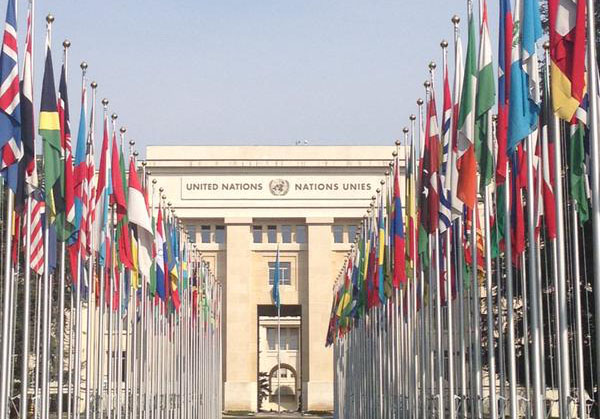
Myanmar’s human rights record for the past four and a half years will be under scrutiny at the United Nations (UN) Human Rights Council (HRC), as the country goes up for its Universal Periodic Review (UPR) review on 6 November 2015.
Myanmar will be assessed on developments based on information provided by the government, UN human rights experts, institutions and treaty bodies; and stakeholders including Non-Governmental Organizations (NGOs).
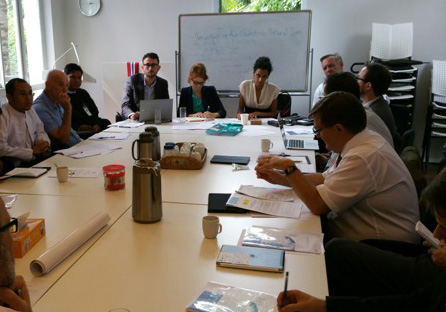
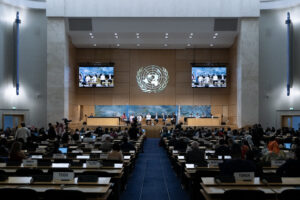
The eleventh round of Pre-Sessions to discuss the human rights situations in Myanmar was held on 8 October 2015 and was organized by UPR-Info.
The event brought together various permanent missions and various Myanmar civil society organizations (CSOs) that presented their respective UPR recommendations.
This event also provided NGOs, including the ICJ, with an opportunity to contribute to the UPR process by informing several delegations at once about specific, actionable recommendations to the government to effectively address human rights violations and provide redress.
In its UPR stakeholder submission, the ICJ drew the attention of the HRC Working Group on the UPR, and that of the HRC itself, to the ICJ’s concerns about the independence of the judiciary and legal profession, the lack of legislation adequately protecting human rights and the environment, discriminatory laws targeting women and minorities, and the writ of habeas corpus in Myanmar.
The Office of the Commissioner for Human Rights referred to these issues in its summary to the HRC Working group on the UPR.
UPR discussions in Geneva led by NGOs reiterated that despite reforms, significant human rights challenges remain in Myanmar. These include, but are not limited to, the following:
- During its first UPR in 2011, Myanmar had supported recommendations to consider signing and ratifying core human rights treaties, but has made no significant progress;
- A recent parliament veto reserves the 25% of the seats in the legislative bodies for the military, thus continuing military impunity and preserving their hold over any constitutional or legislative amendment;
- The Myanmar National Human Rights Commission suffers from low credibility due to its lack of autonomy from the government and failure to investigate egregious human rights violations;
- The package of “race and religion protection” laws comes at a time of increasing ethnic and religious tension, and discriminates on grounds of gender and religion. Discrimination against religious minorities has led to mass displacement, deaths and rights violations;
- Lesbian, Gay, Bisexual and Transgender rights are routinely violated;
- The Environmental Conservation Law allowed government departments and private business abroad exemptions from environmental protection obligations;
- Judicial independence is compromised as judges in some instances still render decisions based on orders coming from military and the government.
Contact:
Vani Sathisan, ICJ International Legal Adviser, Myanmar, t: +95-09250800301; e: vani.sathisan(a)icj.org
The ICJ’s UPR stakeholder submission for Myanmar can be found here
The OHCHR summary to the UN Working Group for the UPR can be found here