Jun 10, 2013 | Agendas, Events
On Friday 7 June 2013, the ICJ convened a parallel event during the Human Rights Council’s 23rd regular session held in Geneva.
The event, held in Room IX of the Palais des Nations, addressed key issues concerning past and present challenges to the rule of law in Zimbabwe in the context of the upcoming elections and the need for the international community to remain vigilant about the necessity for free, fair and peaceful elections in the country. The event was chaired by Martin Okumu-Masiga, Deputy Director of the ICJ’s Africa Regional Programme. Panelists were MacDonald Lewanika, Director of Crisis Coalition; Okay Machisa, Director of the Zimbabwe Human Rights Association; and Irene Petras, Executive Director of Zimbabwe Lawyers for Human Rights.
Zimbabwe is scheduled to hold general elections before the end of 2013. Past elections in the country have been marred by violence and attacks on human rights defenders and the rule of law more generally. In the period leading to the 2013 elections, there have been several incidents of crackdown on political dissents and independent voices. The impunity enjoyed by past and current perpetrators electoral violence has continued to exacerbate fears for the integrity, peaceful conduct and fairness of the upcoming elections.
Zimbabwe-HR Council side event on elections in Zimbabwe-event-2013 (event flyer in pdf)
ICJ draws attention to risks of violence in the forthcoming general elections in Zimbabwe

May 30, 2013 | Agendas, Events
The event will be held Friday, 31 May 2013, from 16.00 to 18.00, in Geneva, Palais des Nations, Room XXVII. It marks the 5th anniversary of the HR Council adoption of the Framework “Protect, Respect and Remedy”.
It also promotes the publication of the ICJ Report on “Corporate complicity in international crimes”. It will highlight the fact that the business and human rights agenda in the Human Rights Council remains unfinished, especially in the critical areas of access to justice and accountability, as well as the need for bold Council action to provide States and other actors with the necessary tools to ensure remedy and justice to victims of serious human rights abuses committed by or with the complicity of corporations in home and host countries.
HR Council-UN SIDE EVENT Business-Event-2013 (full text in pdf)
May 30, 2013 | Agendas, Events
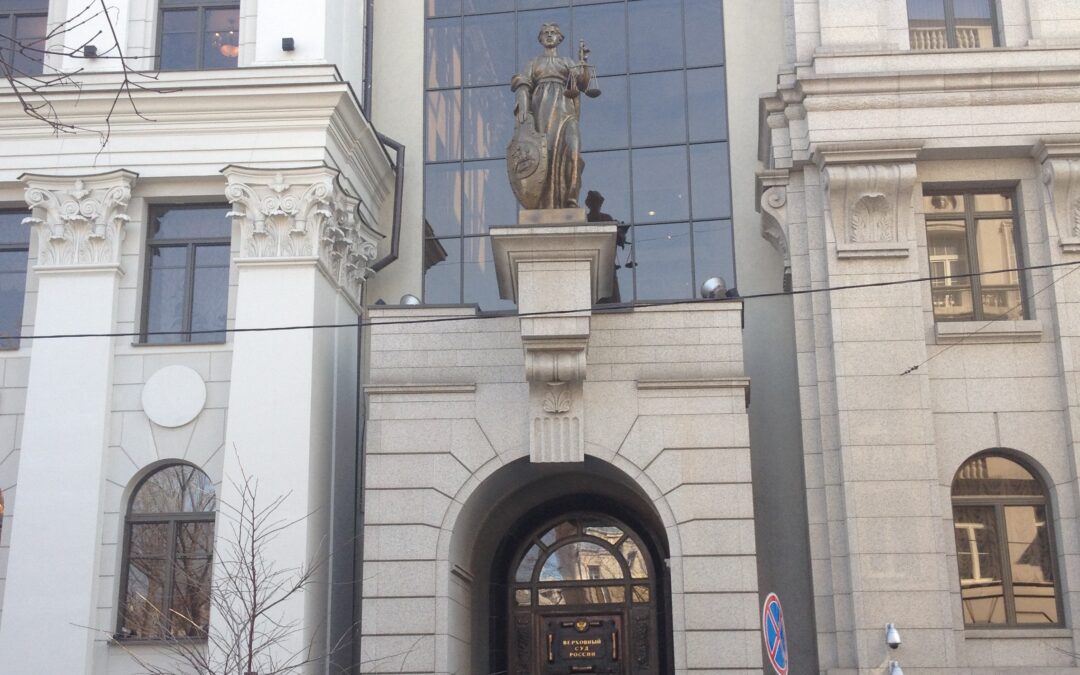
On Wednesday 29 May 2013, the ICJ co-sponsored a parallel event with Human Rights Watch and other NGOs during the Human Rights Council’s 23rd regular session held in Geneva.
The event, held in Room IX of the Palais des Nations, addressed key issues concerning the independence of judges and lawyers within the Russian Federation. The event was chaired by Róisín Pillay, Director of ICJ’s Europe Programme. Panelists were Gabriela Knaul, the UN Special Rapporteur on the independence of judges and lawyers; Tamara Morshchakova, ICJ Commissioner and former Deputy Chair of the Russian Consitutional Court; and Karinna Moskalenko, ICJ Commissioner and founder of the International Protection Centre.

May 29, 2013 | Agendas, Events
On Tuesday 28 May 2013, the ICJ co-sponsored a parallel event with TRIAL and the Missions of Botswana, Costa Rica, Estonia and Switzerland during the Human Rights Council’s 23rd regular session held in Geneva.
The event, held in Room XXV of the Palais des Nations, addressed key issues concerning accountability and human rights. The event was chaired by Professor Paola Gaeta from the Geneva Academy of International Humanitarian Law and Human Rights. Panelists were Tiina Intelmann, President of the Assembly of the States Parties to the ICC Statute; Mothusi Bruce Rabasha Palai, Ambassador of Botswana; Ian Seiderman, Director of the ICJ’s Law and Policy Office; and Gabriella Citroni, Senior Legal Adviser at TRIAL (Swiss association against impunity).
Panelists agreed that accountability is intimately linked to the enjoyment of human rights. It was stated that – under State responsibility – States are, or should be, held responsible for acts involving any violation of international law, including international human rights law and international humanitarian law. Accountability is thus not only about criminal justice, but also about ensuring reparations and guarantees of non-recurrence.
Recommendations made under the Universal Periodic Review (UPR) mechanism were seen as having been partly successful in bridging gaps, although there remains a lack of proper follow-up on the progress of implementation between UPR cycles. Panellists observed that States often fail to refer to standards enunciated by the High Commissioner for Human Rights and by the Special Procedures. Regarding the accountability of non-State actors for conduct involving human rights abuses and violations, the ‘Ruggie Principles’ were referred to as a representing good progress but still failing to be as comprehensive as they should be.
Concerning future steps by Human Rights Council mechanisms, panellists proposed that resolutions, statements and Special Procedures should more directly and frequently refer to accountability. The need for greater political pressure on the International Criminal Court was expressed, with the aim of supporting the domestic capacity of States parties to the Rome Statute. Concerning domestic capacity to strengthen accountability more generally, panellists and participants agreed on the need to improve linkages between the work of persons dealing with development and those working on accountability.
HR Council-Strengthening accountability-event-2013 (event flyer in pdf)

May 7, 2013 | Advocacy, Legal submissions
The ICJ today submitted to the United Nations a written statement concerning corporate complicity in human rights abuses and access to justice for victims of such abuses.
The statement is made ahead of the UN Human Rights Council’s 23rd session (27 May to 14 June 2013) and comments on a report of the Council’s Working Group on human rights and transnational corporations and other business enterprises.
Setting out issues concerning obstacles to justice for victims of human rights abuses by business enterprises, the ICJ calls on the Working Group to take various steps to address such issues, including by:
- Exploring the further development of international standards;
- Raising specific allegations of corporate abuse with relevant State authorities and business enterprises; and
- Addressing more clearly the issue of access to justice in cases of corporate complicity.
HRC23-Item3-WGBHR-WrittenStatement-LegalSubmission-2013 (download statement in PDF)