Apr 13, 2018 | Multimedia items, News, Video clips
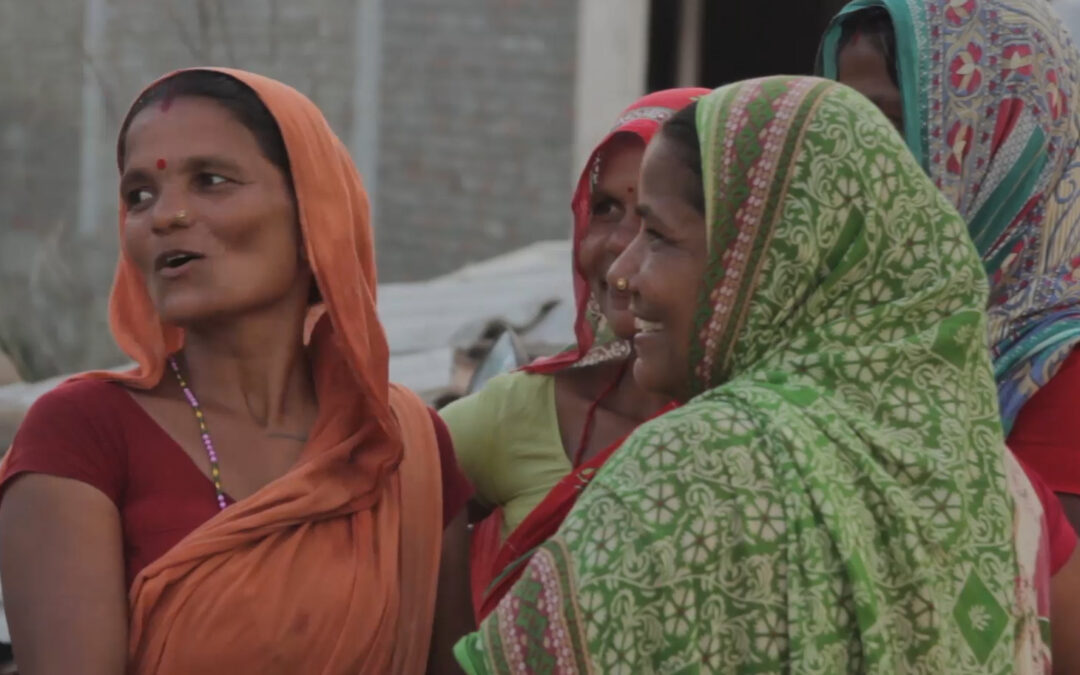
In 2017, Nepal held its first local-level elections for almost 20 years and the first ever conducted under the new federal state structure established under the 2015 Constitution. They were significant because of the unprecedented number of women who stood as candidates and won.
Women in Nepal have experienced systemic discrimination for decades, especially those in rural areas, among ethnic minorities and marginalized groups.
These elections presented the women of Nepal with the opportunity to break through barriers that have prevented them for decades from participating in political and public life.
The Local Level Governance Act lays out the mandate and functions of newly formed local bodies.
If the recently elected women are allowed to meaningfully participate in local governance, the new law could empower them further so that they can take the lead in addressing key human rights issues, especially the human rights of women.
This video documents the campaign of Rikam BK, a Nepalese politician, belonging to the Communist party of Nepal-Maoist (CPN-M).
In the Nepal Legislative Election held on 26 November 2017, she was elected as a Sub-Mayor (NCP Maoist) of Lahan Municipal Council winning 5000 votes.
She is the chairperson of the Dalit Preservation Abhiyan Forum, in Siraha. She has been advocating the issue of land certificates in the names of both husband and wife.
She continues to call for those deprived of land rights to have equal access to land. She is also the member of National Alliance for Women Human Rights Defenders (NAWHRD).
Many of the women featured in this video are women human rights defenders who have been working to promote and protect human rights in Nepal for decades.
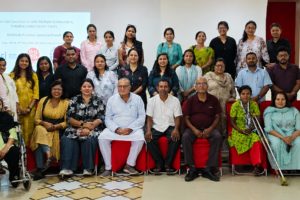
Many of them participated in the Regional Conference on Women Human Rights Defenders as Political Actors, which was organized by the ICJ, with the cooperation of NAWHRD.
The conference was held from 28 to 29 August 2017 in Kathmandu.
The ICJ recently released a briefing paper laying out the key points of the conference and offering a set of future actions aimed at supporting WHRDs in their role as political actors pursuing a human rights agenda.
Watch the video
Apr 3, 2018 | News
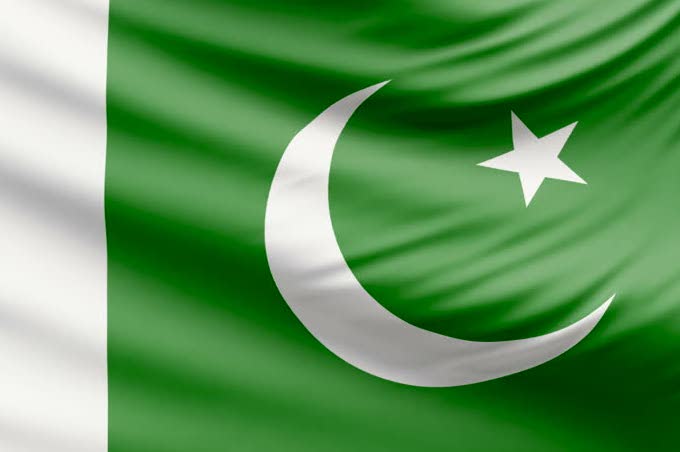
The secret military trials of civilians charged with terrorism-related offences are a continuing breach of Pakistan’s international human rights obligations, the ICJ said today.
Military courts were first empowered to try civilians for certain terrorism-related offences on 7 January 2015 by the 21st amendment to the Constitution and amendments to the Pakistan Army Act, 1952, which were in operation for a period of two years.
One year ago, on 31 March 2017, President Mamnoon Hussain signed into law the 23rd amendment to the Constitution to renew military courts’ jurisdiction over civilians until 6 January 2019.
“The renewal of military trials for civilians accused of terrorism last year has only weakened the rule of law, and undermined the right to fair trial and equality before the law in Pakistan,” said Matt Pollard, ICJ’s Senior Legal Adviser.
“Pakistan should end the role of military courts in such cases, and instead strengthen the ability of ordinary courts and law enforcement to ensure investigations and trials that are both fair and effective, in line with its domestic law and international human rights obligations,” he added.
According to the military’s media office and information collected by the ICJ, military courts have convicted 346 people since January 2015, out of which 196 people have been sentenced to death and 150 people have been given prison sentences.
At least 56 people have been hanged. Only one person has been acquitted.
The ICJ has documented serious fair trials violations in the operation of military courts, including: denial of the right to counsel of choice; failure to disclose the charges against the accused; denial of a public hearing; failure to give convicts copies of a judgment with evidence and reasons for the verdict; and a very high number of convictions based on “confessions” without adequate safeguards against torture and ill treatment.
Such use of military courts to try civilians is inconsistent with international fair trial standards, and the imposition of the death penalty after such trials violates the right to life.
Families of more than a hundred people convicted by military courts have alleged the convicts were denied a right to a fair trial in petitions to the Supreme Court and various high courts in the country.
Despite acknowledging possible denial of fair trial, the ordinary courts have thus far refused to provide relief to the petitioners due to their lack of jurisdiction over military courts.
The expansion of the jurisdiction of military tribunals through the amendments to the Constitution and the Pakistan Army Act were a part of the Pakistani government’s 20-point “National Action Plan”, adopted following the horrific attack on the Army Public School in Peshawar in December 2014.
The NAP contemplated military courts only as a short-term “solution” to try “terrorists”, on the basis that they would be operational only for a short period during which the Government would bring about necessary “reforms in criminal courts system to strengthen the anti-terrorism institutions.”
However, with less than a year left before the extension under the 23rd Constitutional Amendment is set to expire, no such reforms have taken place.
Contact
Matt Pollard, ICJ Senior Legal Adviser and UN Representative (Geneva); e: matt.pollard@icj.org
Reema Omer, ICJ International Legal Adviser for South Asia (London), t: +447889565691; e: reema.omer@icj.org
Background
The 23rd constitutional amendment allows military tribunals to try civilians who allegedly belong to “a terrorist group or organization misusing the name of religion or a sect” and are suspected of committing a number of offences, including: abducting any person for ransom; raising arms of waging war against Pakistan; causing any person injury or death; using or designing vehicles for terrorist attacks; creating terror or insecurity in Pakistan; and attempting, aiding or abetting any of these acts.
In July 2017, in its Concluding Observations after Pakistan’s first periodic review under the International Covenant on Civil and Political Rights (ICCPR), the UN Human Rights Committee stated that it was concerned by the extension of the jurisdiction of military courts over civilians and allegations of fair trial violations in military courts’ proceedings.
The Human Rights Committee recommended that Pakistan “review the legislation relating to the military courts with a view to abrogating their jurisdiction over civilians and their authority to impose the death penalty” and “reform the military courts to bring their proceedings into full conformity with articles 14 and 15 of the Covenant in order to ensure a fair trial.”
Mar 8, 2018 | News
The Sri Lankan government must act swiftly and in line with human rights to prosecute those responsible for recent communal violence.
Particularly for attacks against the minority Muslim community in Kandy district, while avoiding the abusive practices of the past, said the ICJ today.
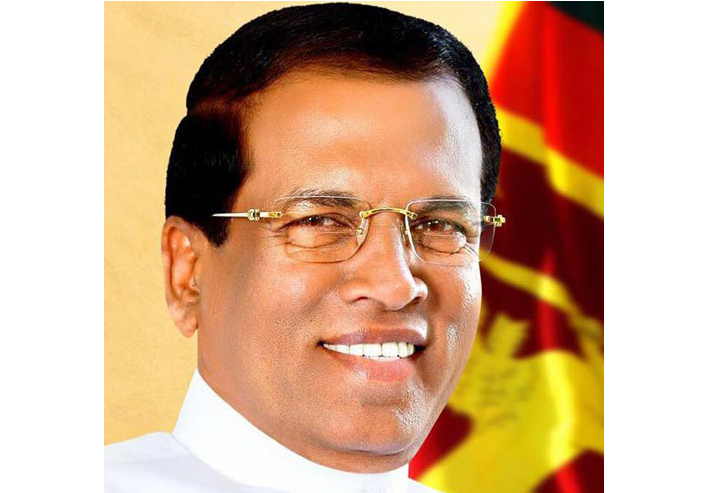
Sri Lanka’s President, Maithripala Sirisena, proclaimed an island-wide state of emergency on 6th March 2018, following a curfew imposed in several areas since Monday.
The action came following a spate of attacks against members of the Muslim community that was spreading in the Kandy district, following attacks in Ampara last week, in Gintota in 2016, and Aluthgama in 2014.
“The government must show that it will bring to account those who have incited communal violence, particularly notorious figures who have been emboldened by the pervading impunity to preach hatred openly and publicly. The arrest of key suspects yesterday is a start and convictions must follow,” said Frederick Rawski, ICJ’s Asia director.
“But the government must ensure that its investigation is impartial and effective and follows due process of the law,” he added.
The ICJ called upon the government of Sri Lanka to swiftly prosecute those responsible for inciting and carrying out the communal violence using existing legal provisions in the Penal Code and the ICCPR Act, the latter of which prohibits advocating “national, racial or religious hatred that constitutes incitement to discrimination, hostility or violence.”
The ICJ is concerned that the Emergency Regulations issued by the President through powers under the Public Security Ordinance, confer excessively broad powers on the army and the police to search, arrest and investigate.
“Given Sri Lanka’s experience of Emergency Regulations, the government should ensure that these regulations are time-bound and comply with Sri Lanka’s international human rights obligations, including under the International Covenant on Civil and Political Rights,” said Rawski.
The government has further restricted access to selected instant messaging applications and social media platforms “as an extraordinary but temporary response to limit the increasing spread of hate speech and violence through social media websites and phone messaging applications.”
“Blocking social media and other communication channels, even with the best of intentions, typically has the negative effect of restricting affected persons from seeking assistance, journalists from reporting around the situation and may actually undermine efforts to counter violence and hate speech. Any such measures should be narrowly targeted and limited in time,” said Rawski.
“A better approach would be for the Sri Lankan government to aggressively push back against these hateful narratives by demonstrating in actions as well as its rhetoric that Sri Lanka is a diverse country in which all of its citizens’ rights are respected and protected equally,” he added.
Background
Chapter XVIII of the Constitution and the Public Security Ordinance of Sri Lanka empowers the President to make emergency regulations in the interest of ‘public security and the preservation of public order or for the maintenance of supplies and services essential to the life of the community.’ Sri Lanka has a history of governance using emergency powers, which in the past has posed a challenge for democratic governance and human rights, providing law enforcement with wide powers, circumventing ordinary checks and balances.
The President, while justifying circumstances that led to his proclamation of a state of emergency, has stated that he “has given special instructions the Police and the tri-forces to take action in terms of these regulations, in a lawful manner in good faith while ensuring minimum disturbance to the life and well-being of people, in conformity with Fundamental Human Rights of people.”
Feb 23, 2018 | News
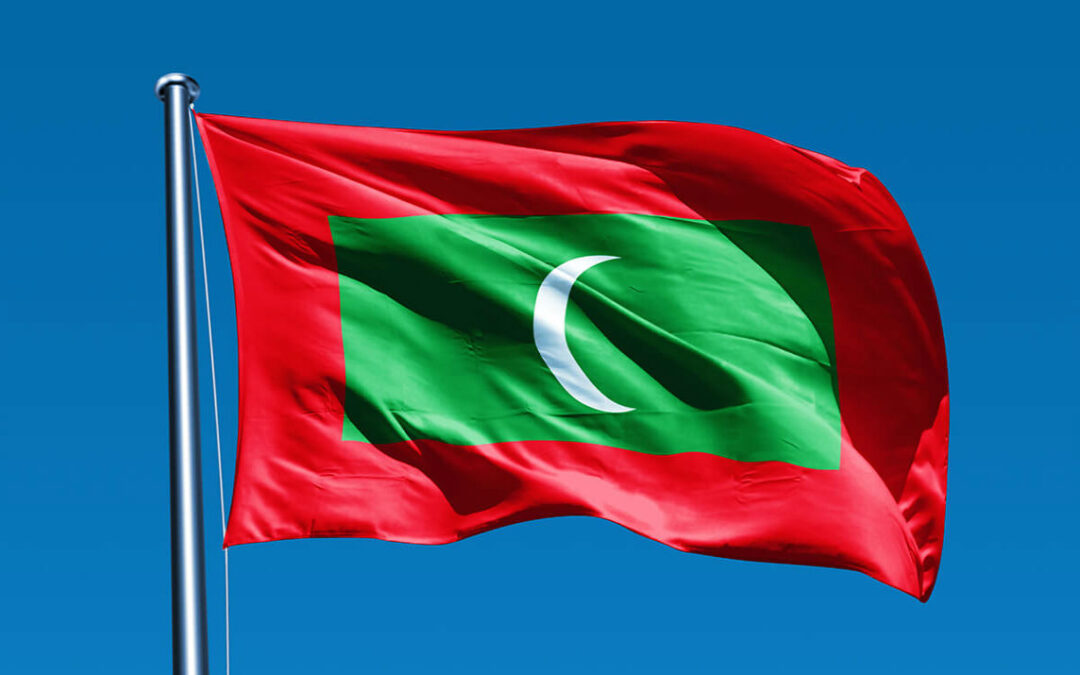
As the assault on the rule of law and human rights under the state of emergency in the Maldives continues, the ICJ expressed concerned about government reprisals taken against lawyers for performing their legitimate professional functions.
The ICJ urged the Maldivian authorities to stop obstructing the work of lawyers and respect the independence of the legal profession.
The ICJ called on the government to immediately lift the state of emergency, revoke the “suspension” of human rights protections, release judges of the Supreme Court and persons detained for political reasons, and ensure the independence of the judiciary.
On 22 February, the Department of Judicial Administration, the administrative arm of the Maldivian judiciary, suspended lawyer Hussain Shameem for an indefinite period of time, citing an ongoing investigation against him.
“No lawyer should be subject to persecution for carrying out their professional duties. Lawyers like Hussain Shameem are indispensable in ensuring human rights protection and upholding the rule of law in the Maldives, especially during a state of emergency,” said Frederick Rawski, ICJ’s Asia-Pacific Director.
The decision to suspend Shameem came only days after the Maldivian police launched an investigation against him for “obstruction of justice” and “obstruction of the administration of law and other government function”.
Hussain Shameem is representing members of the political opposition who are in detention, including former President Maumoon Abdul Gayoom and parliamentarian Faris Maumoon.
Before his suspension, Hussain Shameem had made public statements asserting that the declaration emergency declared by the Government on 5 February 2018 was unconstitutional.
He had also highlighted the poor conditions of detention of his clients.
The ICJ has learned that the police confiscated the mobile phones of another two lawyers, Mahfooz Saeed and Moosa Siraj.
Like Shameem, they were representing individuals arrested and detained during the state of emergency, including Justice Ali Hameed, who was part of the Supreme Court bench that recently issued a judgment directing the release of members of the opposition.
The police have also informed lawyers taking up cases during the state of emergency that they can only meet their clients for 30 minutes, which is an arbitrary and unlawful restriction on the fair trial rights of accused persons.
Under international standards, including the UN Basic Principles on the Role of Lawyers, governments must ensure that lawyers are able to perform all of their professional functions without intimidation, hindrance, harassment or improper interference.
International standards also provide that lawyers shall not suffer, or be threatened with, prosecution or administrative, economic or other sanctions for any action taken in accordance with recognized professional duties, standards and ethics.
“The government’s actions against these lawyers, who are just doing their job of protecting their clients’ rights, has a chilling effect on other lawyers in the country as it sends a message that any exercise of their professional responsibilities perceived as contrary to wishes of the governments will not be tolerated,” added Rawski.
Contact:
Frederick Rawski, ICJ Asia Pacific Regional Director, t: +66 64 478 1121, e: frederick.rawski(a)icj.org
Reema Omer, ICJ International Legal Adviser for Pakistan (London), t: +447889565691; e: reema.omer(a)icj.org
Additional information: the state of emergency
On 5 February, the Government of the Maldives had declared a 15-day state of emergency under Article 253 of the Constitution, suspending a range of human rights protections. The declaration of emergency followed a Supreme Court judgment on 1 February that ordered the release of at least nine members of opposition parties, who were in detention on a number of charges.
On 20 February, the Parliament extended the state of emergency for another thirty days, citing the ongoing constitutional crisis. The extension appears to have been taken in violation of Maldivian law and the Constitution as the number of parliamentarians required for such an extension was not present during the vote.
The constitutionally and internationally protected rights that have been suspended in part or in full during the state of emergency include, among others, the right to liberty; the right to freedom of assembly; and the right to privacy. Basic safeguards surrounding arrest, detention, search and seizures – including the criminal procedure code – have also been suspended.
The International Covenant on Civil and Political Rights (ICCPR), to which the Maldives is a State Party, allows for States only to derogate from full protection of only a limited number of human rights during declared “public emergency which threatens the life of the nation.” No rights can be entirely suspended. Measures of derogation may only be taken to the extent strictly necessary to meet a specific threat to the life of the nation.
Feb 13, 2018 | News
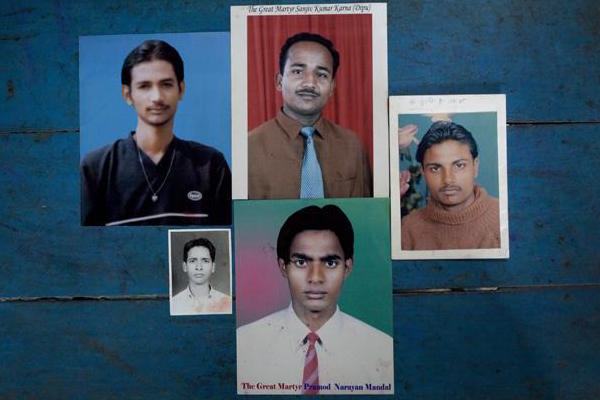
The one-year extensions of Nepal’s two transitional justice mechanisms without necessary legal and institutional reforms ordered by the Supreme Court and the UN are insufficient to comply with international standards, the ICJ, Amnesty International and Human Rights Watch said today.
The three organizations warned that the mere extension of the terms of the Truth and Reconciliation Commission (TRC) and the Commission on the Investigation of Enforced Disappeared Persons (CIEDP) is likely to prolong the justice process without meaningfully improving the chances that victims will have their demands for justice, truth, and accountability met.
“The net worth of these two bodies has now been tested by the victims in Nepal who are deeply dismayed and disappointed at not having been served truth and justice—even after years of delay,” said Biraj Patnaik, Amnesty International’s South Asia Director.
On February 5, 2018, the Government of Nepal extended, for the second time, the mandates of the TRC and CIEDP by one year without taking any measures to ensure their credibility and human rights compliance, and to increase the capacity of the Commissions as demanded by victims, civil society groups, and the National Human Rights Commission of Nepal (NHRC).
On the same day, the NHRC called on the government to amend the Enforced Disappearances Enquiry, Truth and Reconciliation Commission Act, 2014, in line with international standards and the judgements of the Supreme Court of Nepal.
The TRC and CIEDP have fallen short of international standards, both in constitution and operation, despite repeated orders by the Supreme Court of Nepal.
Among other flaws, the current legal framework allows for the possibility of amnesties and effective impunity for gross human rights violations amounting to grave crimes under international law, and the broad authority to facilitate reconciliation, including without the informed consent of the victims and their families.
In addition, a non-consultative, uncoordinated and opaque approach to their work has also created distrust with all major stakeholders, including conflict victims and members of civil society.
Where the Commissions have made efforts to work effectively, they face problems due to a lack of sufficient human and financial resources.
“Families and victims of Nepal’s decade-long civil war have waited far too long for answers, and cynical government attempts such as extending the mandate without broader reform as directed by the highest court is a further slap in the face,” said Meenakshi Ganguly, South Asia director at Human Rights Watch.
“The two commissions have gathered a lot of documentation, but the authorities seem more committed to protecting perpetrators than ensuring justice in the process.”
Despite flaws in the law, and questions of legitimacy and capacity, victims and their families have given the benefit of the doubt to these bodies, and submitted thousands of complaints.
As of February 2018, the TRC has received 60,298 complaints of human rights violations, and the CIEDP has received 3,093 complaints of enforced disappearance.
Though the Commissions have stated that they have initiated investigations into some of these cases, there are serious concerns about the quality of these investigations, and to date, not a single case has been recommended for prosecution.
“Now a member of the UN Human Rights Council, the international community has high expectations of the government of Nepal,” said Frederick Rawski, Asia Director of the International Commission of Jurists.
“It needs to commit to ensure that these institutions function independently and free from political interference, and in accordance with international standards that prohibit impunity for gross human rights violations. Merely extending their mandates without addressing the underlying problems is not adequate.”
Contacts
Frederick Rawski, ICJ Asia Pacific Regional Director, t: +66 64 478 1121, e: frederick.rawski@icj.org
Meenakshi, Ganguly, South Asia Director, Human Rights Watch, e: gangulm@hrw.org
Omar Waraich, Deputy Director, Amnesty International South Asia, t: +94 72 737 5467; e: omar.waraich@amnesty.org
Background
The TRC and CIEDP were established on 10 February 2015 through the Enforced Disappearances Enquiry, Truth and Reconciliation Commission Act, 2014.
The two-year mandates of the TRC and CIEDP expired on February 9, 2017.
The government extended the mandates for one year.
On 20 January 2018, the President approved an Ordinance extending the mandate of the two Commissions.
On the basis of the Ordinance, the Council of Ministers, on 5 February 2018, extended the mandates of these bodies for an additional year.
Feb 12, 2018 | News
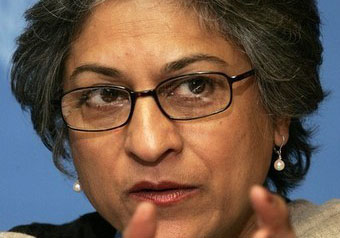
The ICJ mourns the loss of its former Commissioner, Executive Committee Member and Honorary Member, Asma Jahangir, who was at the frontline of the struggle for the rule of law and human rights in Pakistan and around the world.
Ms. Jahangir died of cardiac arrest on Sunday, 11 February, in Lahore, Pakistan. She was 66.
“The ICJ benefited immeasurably from Asma Jahangir’s contribution and leadership. She was a giant of the human rights movement, dedicated to defending the rule of law and fighting for the rights of everyone – including her fiercest detractors,” said Sam Zarifi, ICJ’s Secretary General.
Asma Jahangir was elected to the ICJ in 1998, and went on to serve on the organization’s Executive Committee until the end of her term.
She continued to work closely with the ICJ as an Honorary Member.
Asma Jahangir started her journey as a human rights defender as a petitioner is a case challenging the military dictatorship of Yahya Khan. She was only 19 at the time.
She continued throughout her life to be an outspoken critic of military rule and abuses in Pakistan and at the forefront of the struggle for human rights and the rule of law in the country.
In 1987 she co-founded the Human Rights Commission of Pakistan, which remains one of the oldest and most preeminent human rights organizations in the region.
Asma Jahangir was a senior advocate of the Supreme Court with a legal career spanning nearly forty years.
In 1987, along with other women lawyers, she established the first legal aid cell in the country for free legal representation to women, children, bonded laborers and religious minorities.
She also made lasting contribution to the human rights globally, and served as a UN Special Rapporteur for three different mandates: Extrajudicial, summary or arbitrary executions (1998 to 2004); freedom of religion or belief (2004 to 2010); and the situation of human rights in Iran (2016 – 2018).
In the course of her work as a human rights activist, she was repeatedly threatened, put under house arrest and even imprisoned. However, these attacks did not deter her from her commitment to human rights.
“Asma Jahangir’s brave, powerful voice for human rights and dignity has fallen silent much too soon. We will miss her and strive to live up to her example,” said Zarifi.
Last year, Asma Jahangir participated in ICJ’s Women profiles video series:
Asma Jahangir profile