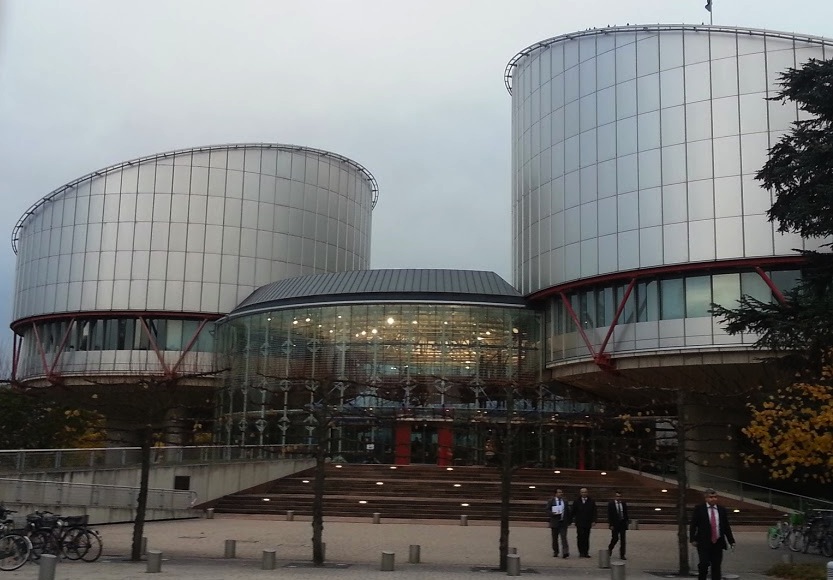
European Court of Human Rights’ judgment inconsistent with refugee law
The ICJ expresses its disappointment today at the judgment of the European Court of Human Rights in the case of M.E. v. Sweden (Application No. 71398/12).

The ICJ expresses its disappointment today at the judgment of the European Court of Human Rights in the case of M.E. v. Sweden (Application No. 71398/12).
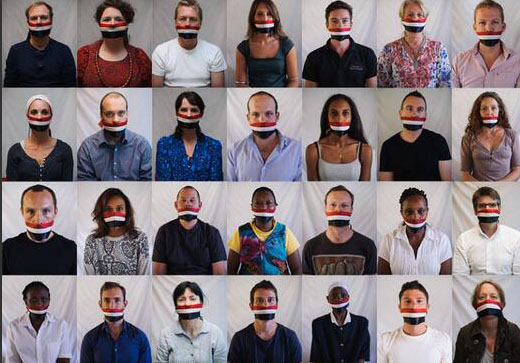
The ICJ deplores the wave of recent decisions by Egyptian officials and courts that aim to silence journalists, human rights defenders, political activists and all those suspected of opposing the military and the government.
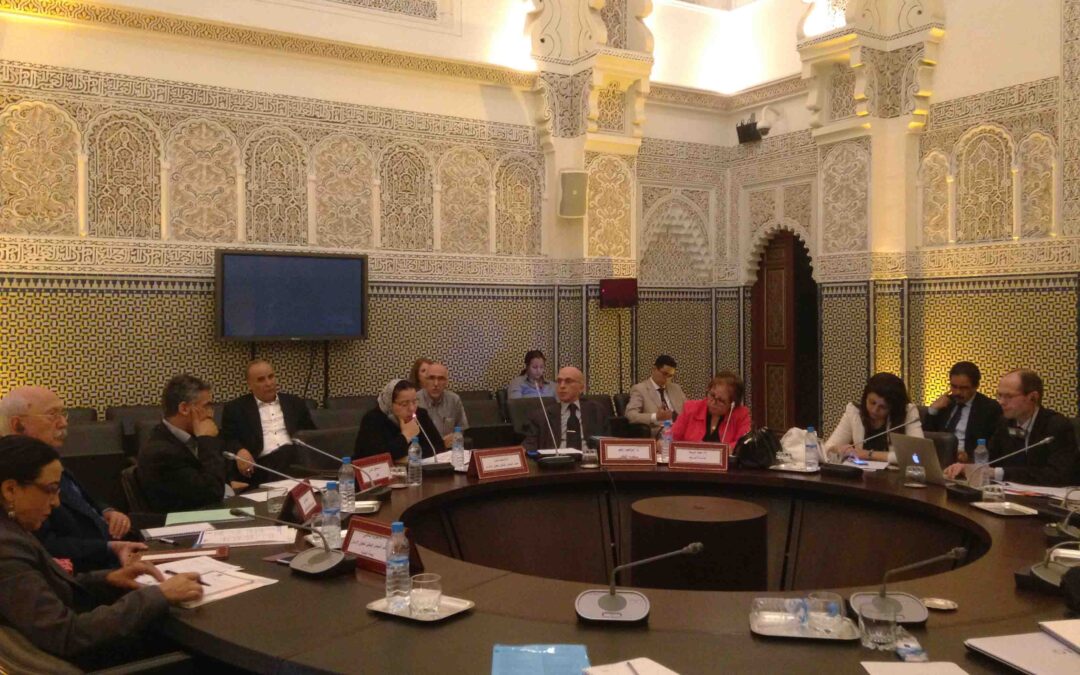
An ICJ delegation including ICJ Commissioners Justice Philippe Texier and Professor Olivier De Schutter concluded a one-week mission in Morocco to discuss access to justice for social rights in the country.
During its stay, the ICJ delegation met with various public authorities and civil society actors.
Among these meetings, the ICJ organized a round table discussion together with the Conseil National des Droits de l’Homme, and a discussion with civil society together with the Organisation Marocaine des Droits Humains and the Friedrich Ebert Foundation.
All the meetings allowed to discuss the normative advances as well as the remaining difficulties in the implementation of Morocco’s international obligations in the area of economic, social and cultural rights, including the obligation to guarantee effective mechanisms for the remedy and reparation of violations of these rights when they occur.
In this latter field, weaknesses have been identified in law and practice, with important efforts still to be realized in strengthening an institutional framework that is able to inquire, sanction and redress violations of ESCR.
During the discussions and consultations, the ICJ paid particular attention to the situation of marginalized and disadvantaged individuals and groups, including those who work in, and live around, free trade zones and areas for export-oriented agricultural production.
30 Human rights groups, including the ICJ have signed a statement calling upon the League of Arab State’s (LAS) member States to substantially revise the draft statute of the Arab Court of Human Rights (the Arab Court).
The LAS should also ensure the full accordance of the Arab Court with international human rights law and standards, including obligations assumed by LAS member States, the statement says.
In addition, the human rights groups strongly condemn the fact that both the LAS and the expert committee went about their drafting exercise without consulting with any civil society groups, despite their vast expertise in relevant issues, or any other stakeholders, despite several requests from civil society organizations to engage in the process.
The full text can be downloaded below in English and Arabic:
MENA-Arab Court Statement-news-web story-2014
MENA-Arab Court Statement-news-web story-2014-ara
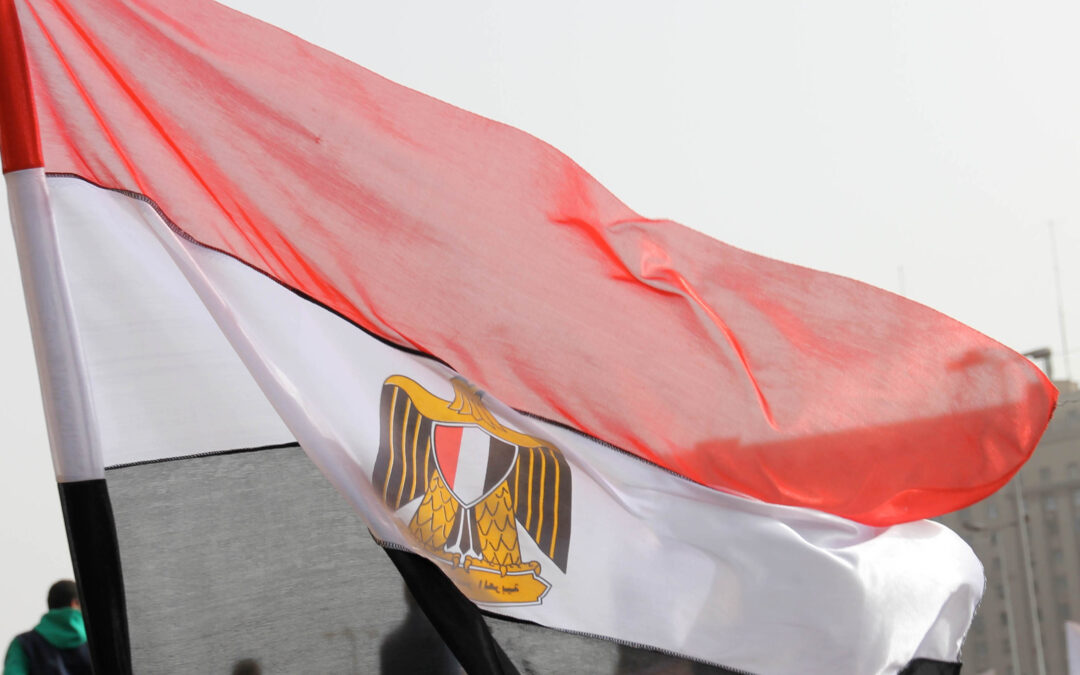
The ICJ strongly condemns two rulings by the Minya Criminal Court issued today. In the first ruling, the court convicted and sentenced to death 683 individuals.
The ICJ today welcomed steps taken by the Palestinian authorities to accede to core international human rights and humanitarian law conventions.
 International legal and human rights organizations condemn the Tunisian Authorities’ escalating attacks on the legal profession, the independence of the judiciary and civil society
 UN human rights experts find Egypt’s detention of political economist Abdel Khaleq Farouq arbitrary and call for his immediate release
 Second Memory Conference 2026: ICJ to Convene Panels on CRSV & Disability Rights
 Prospects for Transitional Justice in Myanmar