Dec 20, 2016 | Multimedia items, News, Video clips
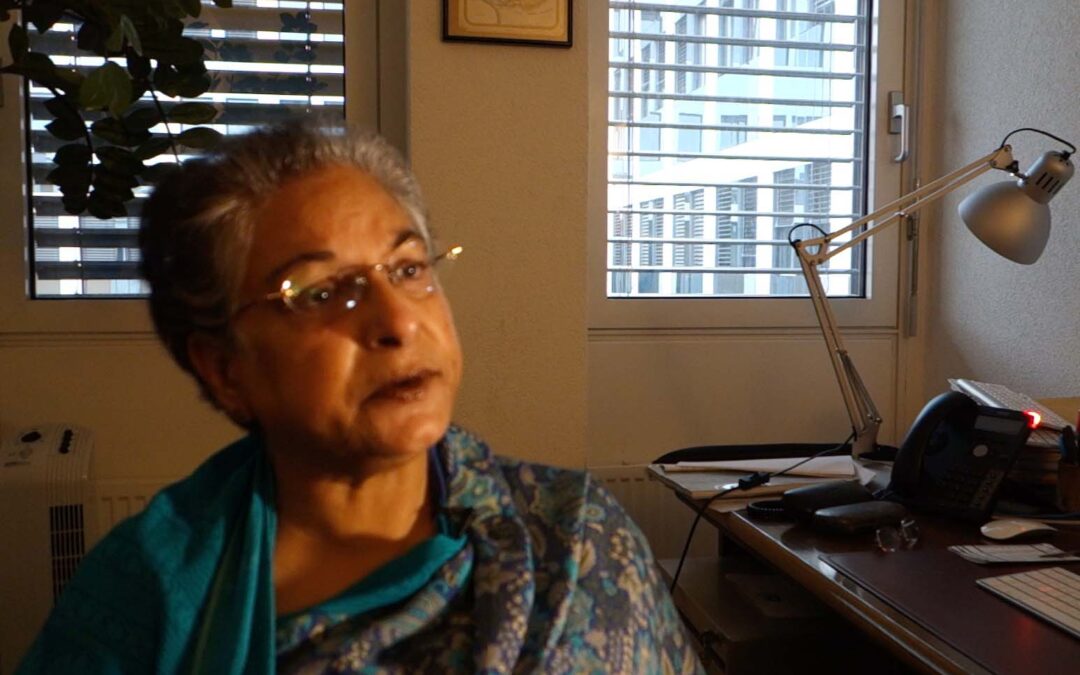
The ICJ continues its profile series of women’s rights defenders with ICJ Commissioner Hina Jilani.
Hina Jilani is a human rights activist and an advocate of the Supreme Court of Pakistan, she has served as the first UN Special Representative on Human Rights Defenders to the Secretary-General and has been an ICJ Commissioner since 2013. In 1980, Hina co-founded Pakistan’s first all-female legal aid practice, AGHS Legal Aid Cell (ALAC).
Hina started her legal career at a time of an oppressive military government takeover in Pakistan. The government sought to legitimize their authority on the basis of Islam, which they interpreted as meaning lesser rights for women who were reduced to second-class citizens and denied the same rights as men. This sparked Hina’s passionate commitment to women’s rights work.
The women’s rights movement in Pakistan has declared itself a secular movement, having decided that it is better to separate the question of religion and universal rights. Hina said that Islam doesn’t deny rights to anyone but that when it is used by those in positions of authority they can interpret religion in ways that suit their own political needs and this results in inequality.
Domestic violence is a major problem in Pakistan and Hina said that most women will have experienced this in one form or another at some point in their lives.
Hina identified a lack of social mobility and social prejudices as key challenges that women in Pakistan face in accessing justice.
In a society where women are encouraged to stay at home many women are unable to access the legal and other services they may need if their rights are being abused. Many women do not even have an awareness of what their rights are, nor do they have access to information about their rights or the kinds of people that could provide them with this information.
In addition, where women do seek justice through the legal system they often encounter social prejudices from those administering that system.
However, although the Pakistani judiciary has traditionally been very conservative there has been a lot of progress in this area. Ms Jilani thinks this is a results of women’s rights advocates taking cases to courts and presenting these in a way that makes the social inequalities and injustices apparent and makes it easier for judges to make better decision that challenge these prejudices.
Ms Jilani recommends three steps for eradicating violence against women:
Firstly, it is essential to have strong legislation; having something anchored in the law makes it incumbent for authorities and institutions to provide women with protection and justice.
Secondly, there must be mechanisms on the ground that make it possible for women to assert their rights under any such legislation; this goes beyond legal support and will include cross-sectoral services such as women’s shelters.
Thirdly, there must be independent judges administering the legislation; judges must be independent not only of the executive but also of their own social prejudices.
Defending women’s rights in the courts of law has seen some significant victories in terms of clarifying the whole meaning of equality and equal opportunity. However, Hina said that the most difficult rights protection work women can do is defending women’s rights.
Women’s rights defenders “are seen as change-makers who are not necessarily liked so they are targeted”. They are often vulnerable to exclusion, social isolation and being discredited, both within their wider communities and also, often, within their own families.
Hina Jilani recommends that women who engage in rights defence work develop strong support networks that also makes link with other rights movements. The more it is apparent they are not acting in isolation, the better protected they will be.
Watch the interview:
The series of profiles introducing the work of ICJ Commissioners and Honorary Members on women’s rights was launched on 25 November 2016 to coincide with the International Day to Eliminate Violence against Women and the first day of the 16 Days of Activism Against Gender-Based Violence Campaign.
Nov 25, 2016 | Multimedia items, News, Video clips
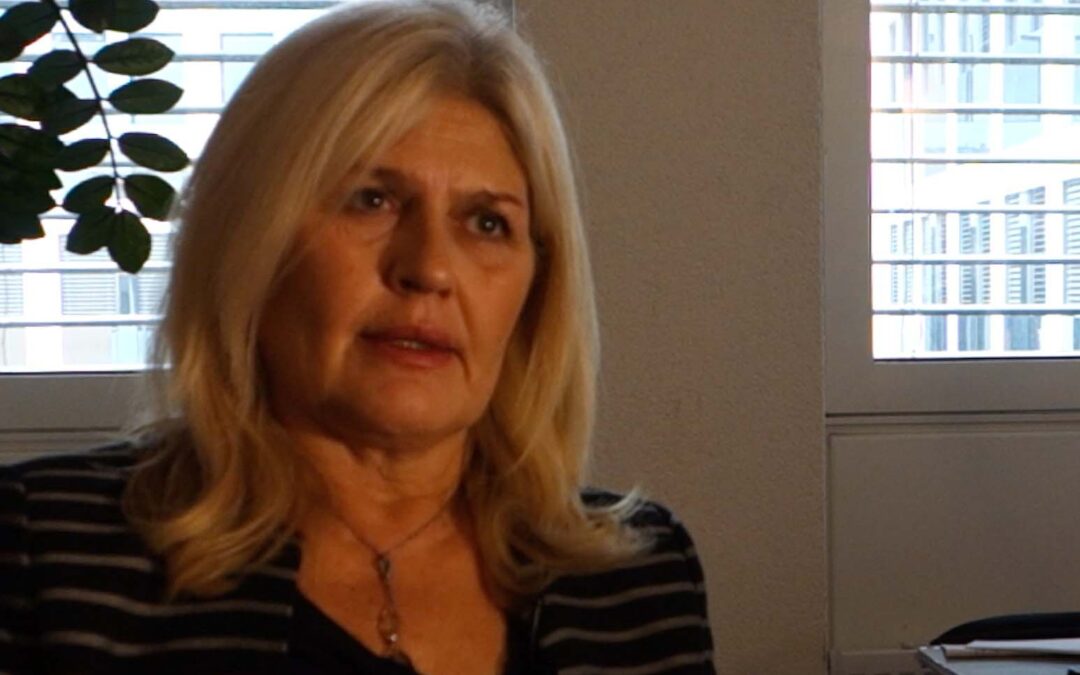
The ICJ has launched a new women’s rights defenders profile series, beginning with ICJ Commissioner and Justice of the Supreme Court of Serbia, Radmila Dragicevic-Dicic.
The monthly profile series, introducing the work of ICJ Commissioners and Honorary Members on women’s rights, has been launched to coincide with the International Day to Eliminate Violence against Women and the first day of the 16 Days of Activism Against Gender-Based Violence Campaign.
The Judges Association of Serbia was established by Radmila and others in 1997, during the regime of Slobodan Milosevic. The Association was formed under the slogan ‘I do not agree’ in opposition to the misuse of the judiciary. Many women were involved in this fight against corruption and in protection of the independence of the judiciary.
In the year 2000, shortly before the fall of Milosevic, Radmila was one of fifteen judges that were dismissed because of their opposition to the repressive regime; although she was quickly reinstated following the elections that took place later that year.
During the civil war period in the 1990s, violence against women grew significantly and domestic violence was rampant in Serbia. Radmila, and other women in the judiciary, worked on issues of organized crime and human trafficking and they were brave to do so as the State couldn’t guarantee their security.
Radmila spoke of women’s continued obstacles in accessing justice and the important of protecting victims of violence. She commented that some States still lack the facilities, resources, personnel and awareness to provide adequate protection for victims.
Human trafficking continues to be one of the biggest problems that affects women, not only in Europe but globally. Justice Dragicevic-Dicic said it was beneficial for those working on women’s rights to share their experiences and learn from one another. Although the motivations and circumstances of women trafficked in different parts of the world may vary, all these women are subject to the same kinds of violence.
In the Serbian constitution, human trafficking is categorized as a crime against humanity and is taken very seriously, although this was not always the case.
Radmila spoke of one case she presided over that helped her to understand what it meant to be a victim. The case concerned two Ukrainian students who had dreamt of going to work in Germany to earn some money for their families but were trafficked into prostitution. She said that this case helped her to understand that anyone can be a victim.
It is everyone’s right to have dreams and to be naïve but no-one has the right to violate your rights. Radmila works to raise awareness amongst other judges that their role is not to judge the victims but those that have exploited them.
There remains a number of issues for victims of trafficking that Justice Dragicevic-Dicic highlighted, including ensuring the non-punishment, safety and protection of victims as well as addressing their access to compensation. Even where the offender isn’t known, victims are still entitled to the full rights of a victim within criminal proceedings.
The judiciary and independent organizations, like the Association of Serbian Judges and the International Commission of Jurists, have an important role in protecting the rights of women. Radmila explained that this can be done through promoting international standards, ensuring that victims are made visible and ensuring that States understand their responsibilities and obligations.
Judicial education on gender-based violence is important, not just in countries undergoing transitional periods, but for all countries where regional and/or international standards have been developed.
Radmila advised anyone interested in defending women’s rights that this work can be done from any position or microsystem that an individual or group is operating in, providing they take the time to educate themselves and build awareness. What is important is that as many people as possible come together to promote and protect women’s rights. Progress can be made, even if this is little by little.
“Sometimes you think you are doing little and you feel hopeless”, said Radmila, “but then I always say if you put a little seed somewhere then it will grow, after you leave, in one year, two years it’s always worth it.”
Watch the video interview:
The series of profiles introducing the work of ICJ Commissioners and Honorary Members on women’s rights was launched on 25 November 2016 to coincide with the International Day to Eliminate Violence against Women and the first day of the 16 Days of Activism Against Gender-Based Violence Campaign.
Jun 25, 2016 | Advocacy
The ICJ today published a General Guidance aimed at assisting judges and others in the justice sector to effectively incorporate a gender perspective in their work.
The General Guidance is especially significant as it reaffirms that customs and traditions should not be invoked to justify discrimination against women.
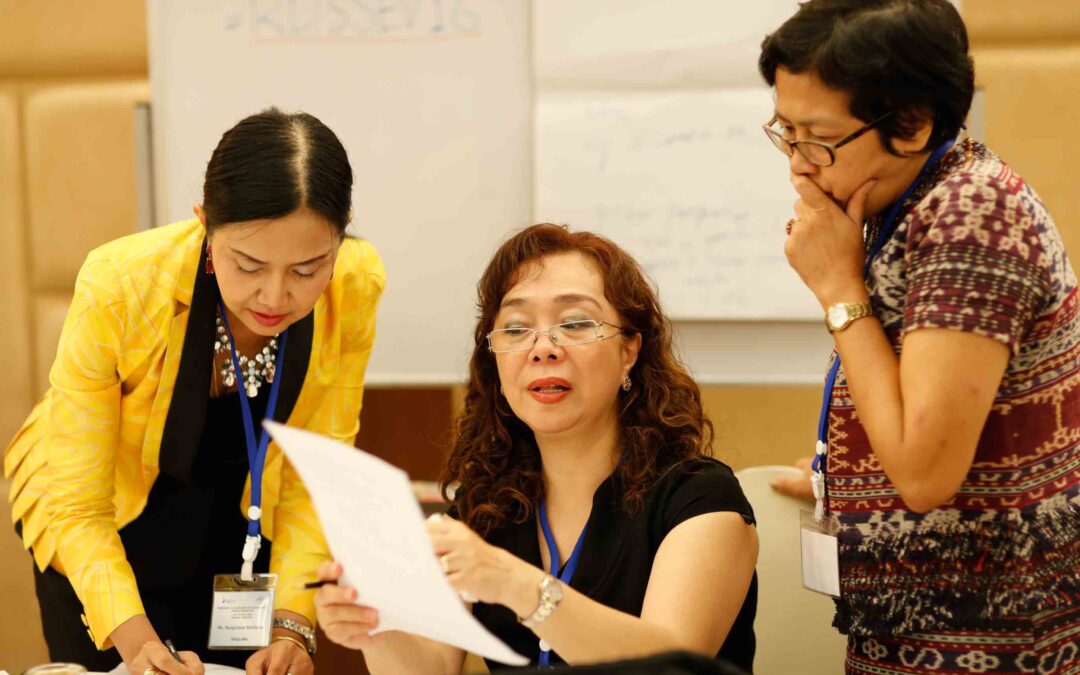
The Bangkok General Guidance for Judges in Applying a Gender Perspective was discussed and adopted by judges from Philippines, Thailand, Timor Leste, and Indonesia, at a gathering in Bangkok from 24 to 25 June 2016, hosted by the ICJ and UN Women.
During the workshop, judges from the four Southeast Asian countries deliberated extensively how best to assist judges in employing a gender perspective in deciding cases before them.
“The Bangkok General Guidance can make a powerful contribution towards achieving gender equality under the law in Southeast Asia,” said Sam Zarifi, Regional Director for Asia and the Pacific at the ICJ. “It is crucial that judges now work to implement this General Guidance in their home countries.”
The idea to initiate the development of th Bangkok General Guidance emerged from the ASEAN Regional Dialogue on Judging with a Gender Perspective, which was held in Jakarta, Indonesia in 2015.
The Supreme Court of the Philippines offered to take the lead on the project during that regional judicial dialogue.
“Women have a right to equal treatment and equal protection and non-discrimination under the law. It is our responsibility as judges to ensure that women receive equal treatment in law and in practice,” said Justice Teresita de Castro of the Supreme Court of the Philippines.
Judges attended several sessions over the course of the two-day workshop, participating in exercises focused on identifying and addressing gender stereotypes.
“Women in the region face many obstacles in accessing justice,” said Roberta Clarke, Regional Director for Asia and the Pacific at UN Women.
“But judges may be either unaware of these issues or unsure how to address these issues through the legal process,” she added.
The Bangkok General Guidance will make judges aware of means to consider evidence without resorting to gender stereotypes and decide cases based on the principle of equality recognized under international human rights standards, including the Convention on the Elimination of All Forms of Discrimination against Women (CEDAW).
Recommendations for institutional policies that should be adopted by courts to help them become more gender sensitive and gender responsive are also set out in the General Guidance.
Contact:
Emerlynne Gil, Senior International Legal Adviser for Southeast Asia, t: +66840923575 ; e: emerlynne.gil@icj.org
Southeast Asia-Bangkok-Guidance-Advocacy-2016-ENG (full PDF, in English)
Southeast Asia-Bangkok-Guidance-Advocacy-2016-BUR (full PDF, in Burmese)
Southeast Asia-Bangkok-Guidance-Advocacy-2016-MON (full PDF, in Mon language)
Southeast Asia-Bangkok-Guidance-Advocacy-2016-SHAN (full PDF, in Shan language)

Jun 9, 2016 | News
The ICJ welcomes the landmark decision issued today by the UN Human Rights Committee in the case of Amanda Mellet v. Ireland under the Optional Protocol to the International Covenant on Civil and Political Rights.
The Committee found that, by forcing Amanda Mellet to choose either to carry her foetus to term, despite its fatal fœtal abnormality, or to travel abroad to seek an abortion, Ireland had subjected her to cruel, inhuman or degrading treatment and discrimination, in violation of its obligations under the Covenant.
The ICJ considers that in light of the Committee’s decision Ireland must provide reparation to Amanda Mellet and reform its laws to prevent future violations.
Otherwise, Ireland will be in breach of its legal obligation to provide Amanda Mellet with an effective remedy – including in the terms set out in the Committee’s decision – for the human rights violations she suffered.
Related readings:
Full text of Human Rights Committee’s decision (download in PDF)
Mar 8, 2016 | Advocacy, Non-legal submissions
The ICJ spoke today at the UN Human Rights Council, addressing the human rights impacts of tax evasion and avoidance, and on women’s access to food and the right to food.
The statement was made in an interactive dialogue with the Independent Expert on the effects of foreign debt, and the Special Rapporteur on the right to food.
The statement addressed the following points, among others:
Welcoming the report of the Independent Expert, the ICJ highlighted that tax evasion and tax avoidance are forms of business’ misbehaviour that are facilitated by inadequate legislation and lack of international frameworks and cooperation in tax matters, and as such need to be tackled by the international community. This is all the more important now that the private sector has been assigned a greater role in the achievement of the 2030 development goals. In this regard, the recommendations by these Special Procedures should receive careful consideration.
The ICJ also welcomed the report on Women’s access to food by the Special Rapporteur on the Right to Food. The report highlights the legal barriers in domestic law that prevent women from fully realizing their right to food, including property rights, land rights and intellectual property rights. The report also highlights the negative impact of certain economic and market models as well as agribusiness corporations in enhancing women’s difficulties in accessing food and achieving food security.
The full statement may be downloaded in PDF format here: HRC31-OralStatement-IEforeigndebt-2016