Mar 19, 2013 | Advocacy, Non-legal submissions
The ICJ today welcomed the recent deposit of the tenth instrument of ratification to the Optional Protocol to the International Covenant on Economic, Social and Cultural Rights (ICESCR).
Noting that the entry into force of the Optional Protocol (OP) on 5 May 2013 will mark an historic boost to the international protection of economic, social and cultural rights, the ICJ called on the Human Rights Council and its members to become party to the OP and other individual communications procedures of the treaty bodies.
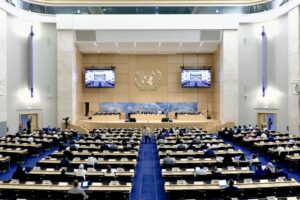
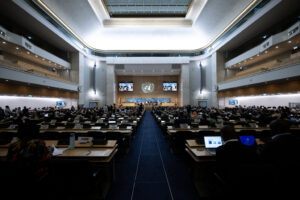
The ICJ’s statement was made during the General Debate under Item 8 of the Human Rights Council’s agenda (follow-up and implementation of the Vienna Declaration and Programme of Action) during the 22nd regular session of the Council (25 February to 22 March 2013).
HRC22-Item8GD-OPICESCR-NonLegalSubmission-2013 (download full statement in ODF)

Mar 8, 2013 | Events
 As a member of the International NGO Coalition for the OP to the ICESCR, the ICJ is co-convening a high-level event on the protection of economic, social and cultural rights March 13 at the Palais des Nations in Geneva.
This event is organized together with the Group of Friends of the Optional Protocol to the ICESCR, including Argentina, Belgium, Bolivia, Bosnia & Herzegovina, Ecuador, El Salvador, Finland, France, Senegal, Spain, Slovakia, Portugal and Uruguay; and the Office of the United Nations High Commissioner for Human Rights.
It will highlight the importance of OP-ICESCR to the full realization of human rights and the need to achieve widespread ratification of the OP-ICESCR to ensure access to justice for all.
Speakers will include the Deputy High Commissioner for Human Rights, the UN Special Rapporteur on the Right to Water and Sanitation, as well as the Permanent Representatives of Argentina, France, Portugal, Slovakia and Uruguay.
Parallel Event – OP-ICESCR-event-2013 (download the flyer, pdf)
Feb 5, 2013 | News
The 10th ratification of the Optional Protocol to the International Covenant to Economic, Social and Cultural Rights (OP-ICESCR) is an historical boost for the international protection of these rights, the ICJ said today.
“With the deposit today at the UN of the 10th instrument of ratification by Uruguay, we are very close to the long awaited entry into force of this new treaty”, said Sandra Ratjen, ICJ Senior Legal Adviser on Economic, Social and Cultural Rights (ESCR).
The OP-ICESCR will enter into force in three months from today and will provide for remedies at the international level to victims of violations of economic, social and cultural rights.
The Protocol establishes mechanisms that enable the UN Committee on Economic, Social and Cultural Rights to examine complaints and initiate inquiries in cases of violations of these rights in the State parties whenever the victims could not obtain justice at the national level.
“We warmly welcome the 10th ratification of the Optional Protocol and we congratulate Uruguay on this decisive step for the protection of economic, social and cultural rights nationally and internationally”, said Wilder Tayler, ICJ’s Secretary General. “This is an important moment for the ICJ. We have a long-standing commitment and work in favour of the recognition of ESCR as legal and justiciable rights, on the same footing as other human rights.”
The ICJ urges States parties to the ICESCR to join the first ten States who became party to the Optional Protocol – Ecuador, Mongolia, Spain, El Salvador, Argentina, Bolivia, Bosnia and Herzegovina, Slovakia, Portugal and Uruguay.
The ICJ stresses that only when a significant number of States will have become party to the Protocol, the mechanisms it offers will be effectively accessible to a great number of victims of violations of ESCR.
Contact:
Sandra Ratjen, ICJ Senior Legal Adviser on Economic, Social and Cultural Rights, t: +41 22 979 38 35 ; e-mail: sandra.ratjen(at)icj.org
NOTE:
The ICJ is a member of the International NGO Coalition for the OP to the ICESCR. Together with the other members of the Coalition, the ICJ is involved in the Campaign in favour of the ratification of the OP-ICESCR.
Dec 1, 2012
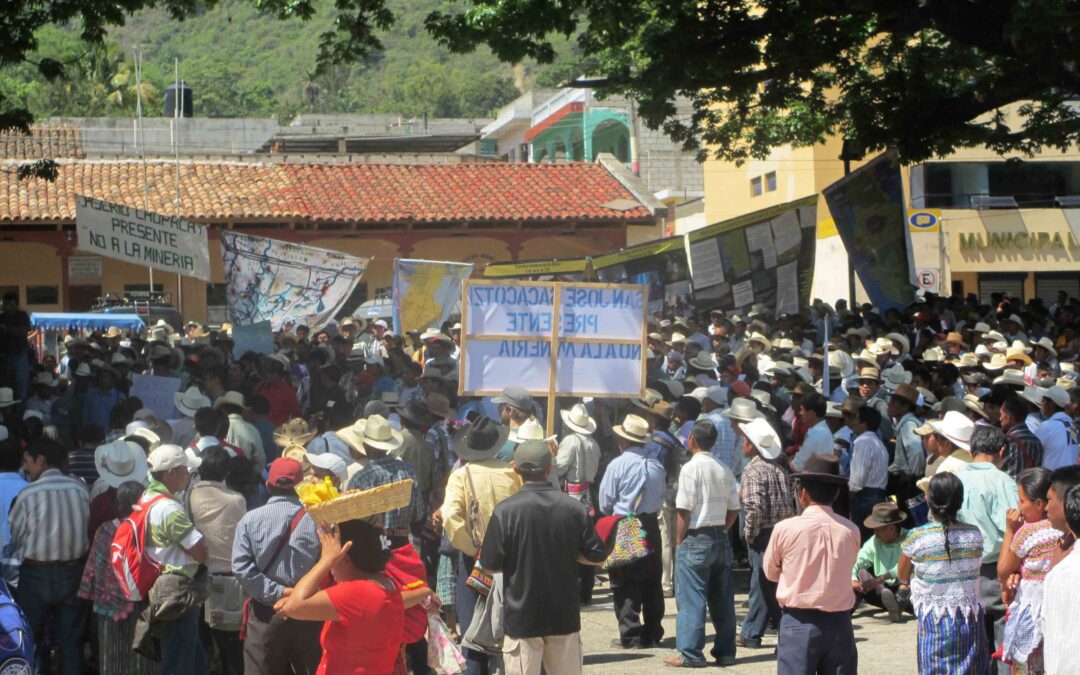
La criminalización de la protesta social en Guatemala es un fenómeno recurrente, con el objeto de deslegitimar a sus actores y anular el impacto político de las organizaciones sociales a través del uso del Derecho Penal como un instrumento de represión.
Dec 1, 2012
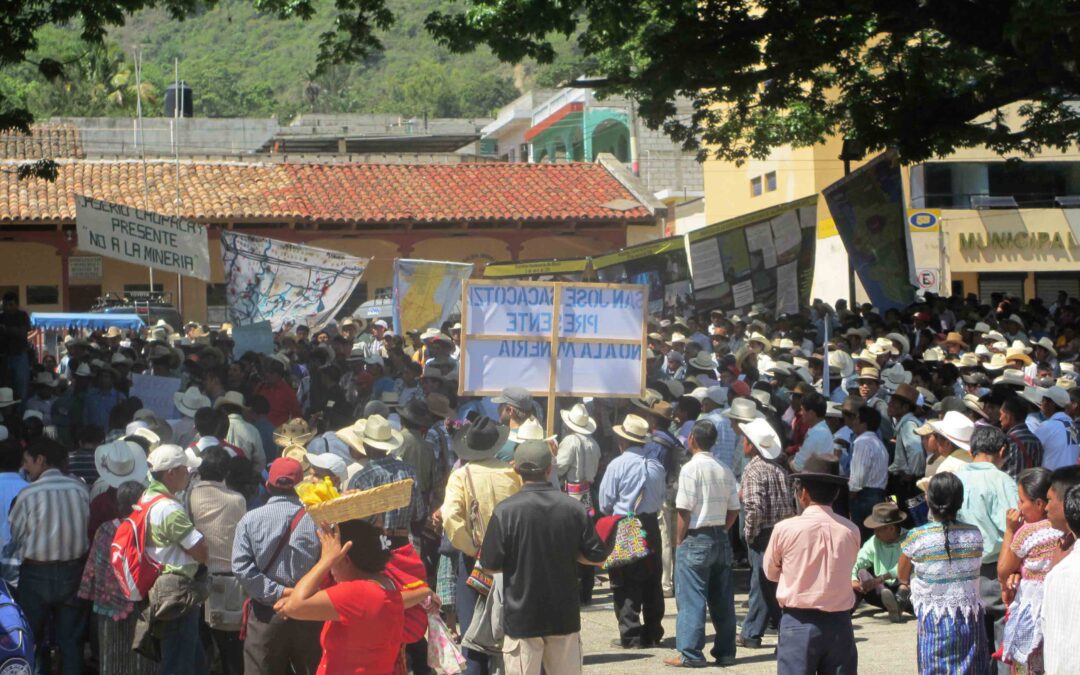
La criminalización de la protesta social en Guatemala es un fenómeno recurrente, con el objeto de deslegitimar a sus actores y anular el impacto político de las organizaciones sociales a través del uso del Derecho Penal como un instrumento de represión.
La región latinoamericana se ha caracterizado por una serie de confl ictos armados durante las últimas décadas del siglo XX y persisten las políticas discriminatorias que han generado descontento en la sociedad.
Las demandas sociales no han encontrado los canales adecuados para materializarse y la protesta social cada vez encuentra más represión por parte de agentes estatales y no estatales.
Con este fin se reprimen las libertades de pensamiento, expresión y reunión fuera de los límites establecidos por el derecho internacional de los derechos humanos.
La presente publicación aborda la criminalización de la protesta social en Guatemala y de sus actores a través del análisis de diferentes conceptos que se relacionan con la temática y de varios casos vinculados a la defensa de los derechos humanos.
En el primer capítulo se aborda la conceptualización de la protesta social y el rol que desempeñan los defensores y defensoras de derechos humanos que deriva en la penalización de sus acciones.
En el segundo capítulo se aborda el contenido de las libertades de pensamiento, expresión y reunión que pueden se objeto de determinadas limitaciones acordes a la normativa internacional de derechos humanos.
En el tercer capítulo se establecen los mecanismos de protección para defensores y defensoras de derechos humanos, tanto en el ámbito internacional como nacional.
En el cuarto capítulo se analizan los patrones de criminalización de la protesta social en algunos casos paradigmáticos en Guatemala, vinculados a la defensa de los recursos naturales de pueblos indígenas.
Guatemala-Criminalizacion de la protesta social-publications-2012-spa (full text in pdf)