Aug 22, 2020 | News
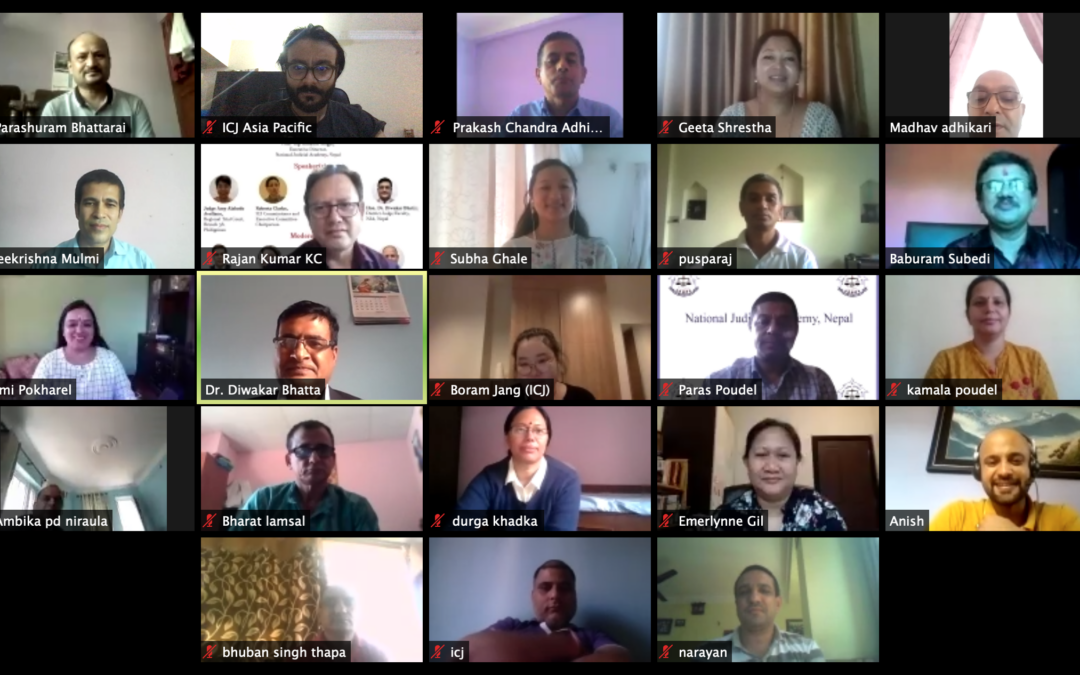
On 15 and 22 August 2020, the ICJ, in collaboration with the National Judicial Academy (NJA) of Nepal, organized the National Judicial Dialogue on the Elimination of Discrimination against Women and Enhancing Women’s Access to Justice.
Due to the exigencies caused by the COVID-19 pandemic, the judicial dialogue was conducted through virtual means.
Fifteen trial court judges from Kathmandu Valley participated in this judicial dialogue with judicial experts from other countries.
Judge Amy Alabado Avellano, a Regional Trial Court judge from the Philippines, engaged with the judges on the application of the Convention on the Elimination of All Forms of Discrimination Against Women (CEDAW) in their judicial decisions. Roberta Clarke, ICJ’s Executive Committee Chairperson and UN Women’s OIC for UN Women’s East and Southern Africa Regional Office, spoke on the right to access to justice under international human rights law.
The second day featured a discussion on specific barriers that women in Nepal face when they access justice. The judges discussed their own role and measures available to the judiciary as an institution to enhance access to justice for women in Nepal. Hon. Justice Sapana Pradhan Malla from the Supreme Court of Nepal and Dr. Diwakar Bhatta from the National Judicial Academy of Nepal led these discussions.
At the Dialogue Emerlynne Gil, ICJ Senior International Legal Adviser, remarked that “judges have a responsibility to uphold the fairness and integrity of the justice system by ensuring that proceedings are conducted in a fashion that does not subordinate the fact-finding process to myth and stereotype.” Honorable Top Bahadur Magar, the Executive Director of the National Judicial Academy, stressed that, “Trial court judges play a pivotal role in debunking myths and gender stereotypes.”
Highlighting the importance of continuing the work towards eliminating gender discriminatory practices among frontline justice actors, even during the COVID-19 pandemic, Emerlynne Gil said. “The COVID-19 pandemic is aggravating existing gender inequalities and women are experiencing more violations of their human rights.”
Contact
Laxmi Pokharel, National Legal Advisor, International Commission of Jurists, t: 977 9851047588, e: laxmi.pokharel(a)icj.org
Jun 15, 2020 | Multimedia, Noticias
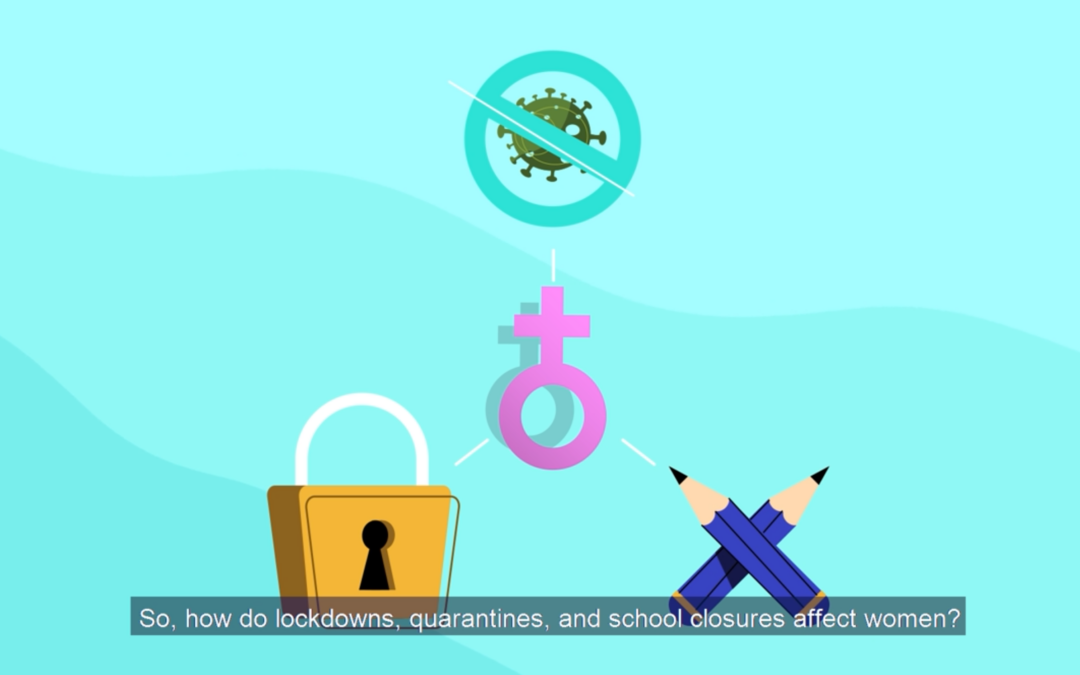
Como parte de las actividades que la CIJ adelanta en relación con la crisis generada por el COVID-19, se encuentra el monitoreo sobre la protección y garantía de los derechos de las mujeres. Al respecto, informes de todas partes del mundo indican un aumento en los casos de violencia domestica y nuevos problemas para acceder a la justicia.
En consideración a ello, los equipos de la CIJ en África y en Asia trabajaron juntos para realizar una animación sobre el impacto que las medidas de aislamiento y similares han tenido en los derechos de las mujeres.
La animación también ofrece sugerencias a los Estados sobre las medidas que se pueden adoptar para proteger los derechos de las mujeres. En particular, se llama la atención a los Estados sobre la importancia de adoptar un enfoque de género en sus políticas.
La animación fue lanzada en inglés durante un webinar, el 26 de mayo de 2020. Durante el webinar, mujeres defensoras de derechos humanos de Asia, África y el Medio Oriente discutieron sobre el impacto que las medidas impuestas para contener el avance del virus han tenido en los derechos de las mujeres.
Contacto:
Shaazia Ebrahim, Oficial de comunicaciones (CIJ Africa), Correo electrónico: shaazia.ebrahim(a)icj.org
Jun 2, 2020 | Advocacy, News
At a webinar hosted on 26 May, the ICJ heard from women human rights defenders (WHRDs) from Asia, Africa, and the Middle East discussed the adverse impact on women of lockdowns and other measures imposed by governments around the world as a response to the COVID-19 pandemic.
Reports from around the world indicate a rise in the number of cases of domestic violence and new challenges faced by women victims in accessing justice.
“Support or assistance for women experiencing domestic violence was not classified as an essential service that may continue when the country went on lockdown,” said Nonhlanhla Dlamini who is the Director of Swaziland Action Group Against Abuse (SWAGAA) in Eswatini. Still, SWAGAA and other NGOs in Eswatini persisted in their work to lobby the government to classify their work as an essential service. The government later provided authorization to allow SWAGAA’s staff to move more freely in order to assist women experiencing gender-based violence during the lockdown.
Theresia Iswarini, Commissioner of Indonesia’s National Commission on Violence Against Women (KOMNAS Perempuan), observed that because of the limited movement during the lockdown, NGOs are having a hard time reaching women experiencing domestic violence who do not have phones or any devices to access the internet.
NGOs also face the challenge of placing these women in safehouses because they need to first present a certificate that they are COVID-free before they are accepted in the safehouse and such certificates are almost impossible to secure during the pandemic.
The WHRDs assisting women experiencing gender-based violence often also need psychosocial support, as “they also have to deal with the additional burdens of overseeing the homeschooling of their children and caring for family members who may have also fallen ill.”
In Sri Lanka, Mariam Dawood who is the Legal Adviser from Women in Need (WIN), noted that “women in Sri Lanka have always faced this problem and [of being] ignored when they report gender-based violence to police authorities.”
She also shared that while courts had started to operate on a limited basis in the country, women in maintenance cases risk being exposed to infection because they have to appear in court at least every month to get an order from the judge to compel their spouses to pay alimony or child support.
These orders were not automatically renewable and must be obtained by women every month from the court.
ICJ Commissioner and Member of the UN Committee on the Elimination of Discrimination against Women Nahla Haidar asked participants to think about how civil society could mobilize other stakeholders in pandemics to give an ethical call on how behaviors can change at home.
“Who is responsible? We have been trying to speak to faith leaders, especially women faith leaders [in the MENA region]. I am wondering how these channels can be used, as well as within traditional leadership channels in Africa,” Haidar said.
ICJ Senior Legal Adviser, Emerlynne Gil, noted that many of the issues raised showed that even during the pandemic, governments reproduced patriarchal approaches to public polices which effectively saw women as subordinate to men.
“This inequality underlines many of the actions taken by governments around the world to curb the pandemic,” said Emerlynne Gil. She added: “This means that it is all the more important for groups like the ICJ to continue its work eliminating gender stereotypes and discriminatory practices in the work of justice actors around the world.”
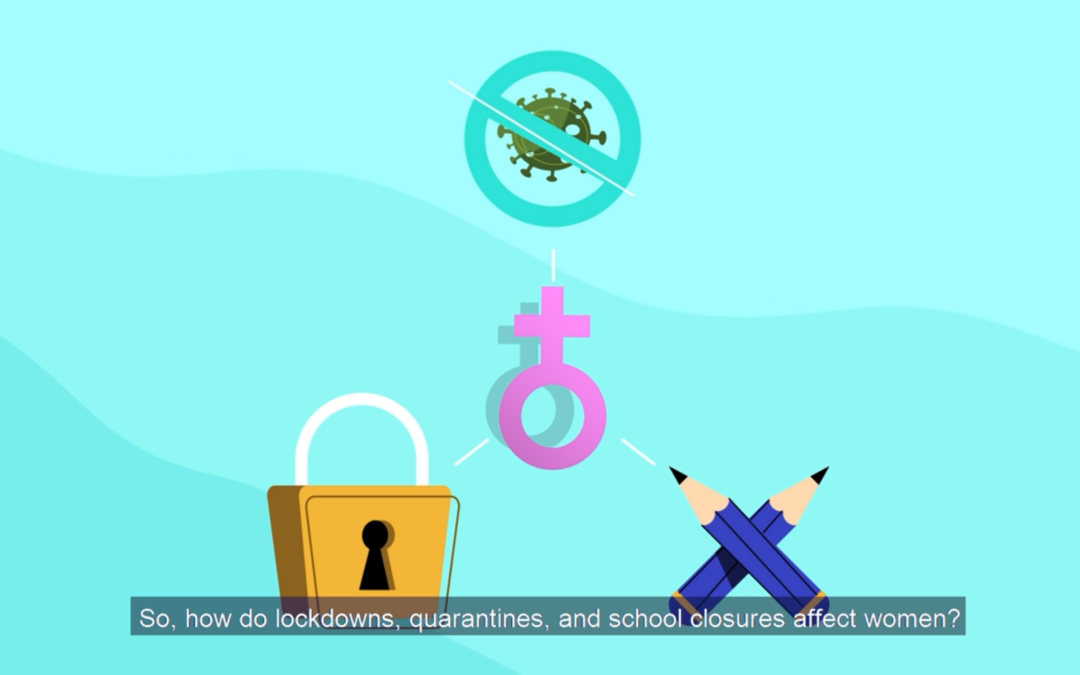
During the webinar, the ICJ launched an animation calling on States to adopt gender-sensitive responses to the COVID-19 pandemic. Watch the animation here:
The webinar was live streamed on ICJ Asia’s facebook. Watch the livestream here:
Apr 6, 2020 | Feature articles, News
A Feature Article by the Access to Justice for Women Team of the ICJ.
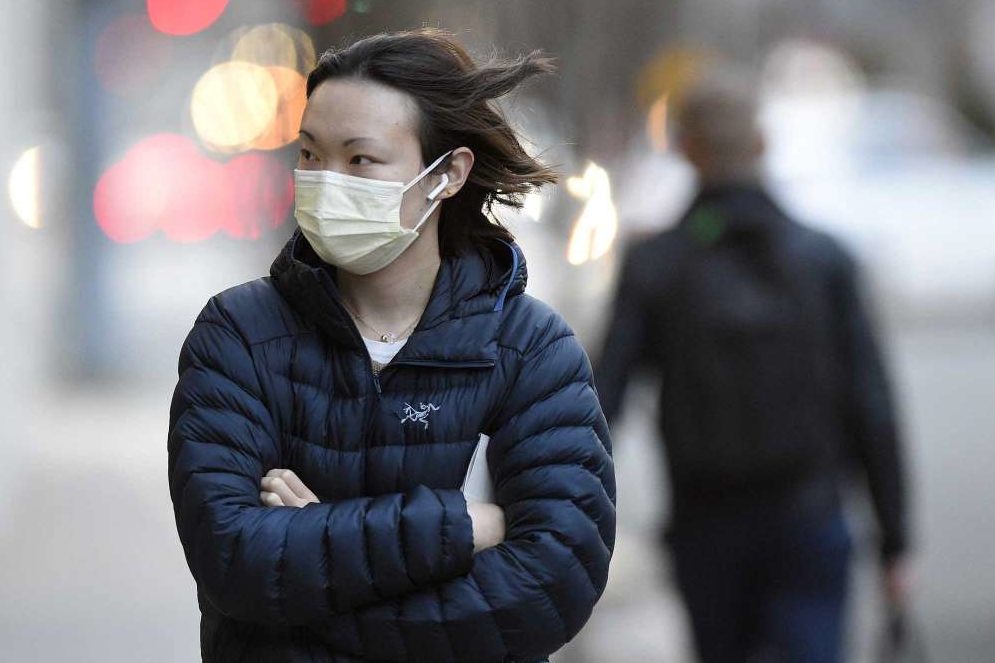
As the COVID-19 pandemic spreads across the globe, many governments are introducing a spectrum of measures to curb the spread of the novel coronavirus, including travel bans, lockdowns, curfews, and school, workplace and border closures.
While it is important that States act decisively in discharge of their obligations to protect the rights to life and health of all people during this pandemic, it is equal that they do so in a human rights compliant manner, so as not to compound the harms brought directly by the virus.
This entails, among other things, acting in a manner that provides equal protection and is non-discriminatory. Complying with these principles requires taking into account gender impacts and providing for gender-specific responses.
However, a number of measures presently being taken by governments around the world to attempt to curb the spread of the virus can be expected to exacerbate pre-existing gender inequalities and therefore disproportionately affect women’s enjoyment of social and economic rights.
Many women who are disabled, refugees, migrants, detainees, living in poverty and or belonging to ethnic, racial, religious or sexual minority groups are experiencing or are likely to experience intersecting forms of discrimination during this time of crisis.
What Does #StayHome Mean to Women?
Lockdowns, quarantines, and school closures to control the pandemic in many countries have a differential effect on women.
Women and girls are most expected to perform caregiving role within families, which means less economic and work opportunities for them and thus denying their basic rights to development.
This condition is worsened if they are being quarantined with an abusive partner as they are exposed to greater risks of intimate partner violence during the outbreak.
Unfortunately, in many places there is a significant lack of guidelines or information on how to contact police, access medical treatment, psychological support, or access to shelters when domestic violence occurs during the pandemic.
In the UK, for example, while 25 organizations helping domestic violence victims have reported an increase in their cases since the surge of the COVID-19 epidemic, one quarter said they could not effectively support victims because of technical issues, inability to meet victims, and staff sickness.
Additionally, with resources already stretched in fighting the spread of the virus, many State authorities may not see as a priority access to comprehensive sexual and reproductive health services for women, which are already restricted by prohibitive laws and customs in many contexts.
This results in significant limitations on women’s rights to menstrual health, maternal health, and safe abortion.
Women at Work
According to the International Labour Organization (ILO), women are over-represented in more affected sectors (such as services) or in occupations that are at the frontline of dealing with the pandemic.
The ILO estimates that 58.6 percent of employed women work in the services sector around the world. Women also have less access to social protection and will bear a disproportionate burden in the care economy, in the case of closure of schools or care systems.
Women migrant workers are also vulnerable to the impact of the COVID-19 crisis, as extensive travel restrictions constrain both their ability to access their places of work in destination countries and return to their families.
Women at the Border: Refugees & Asylum seekers
There is a severe lack of secure, safe and accessible infrastructure and services in most refugee camps and temporary settlements.
Asylum seekers face right now a long wait if the courts are closed due to the pandemic, or worse, being returned to their home country without having a chance to pursue their claims, sometimes in violation of the principle of non refoulement.
As the virus hits overcrowded displacement sites, the consequences can expected be catastrophic. Moreover, in this setting, studies found that women and girls are often exposed to sexual violence and exploitation when they are forced to openly defecate or walk to shared sanitation facilities.
All State Measures to COVID-19 Must Be Gender Responsive
Under the International Covenant on Economic, Social and Cultural Rights (ICESCR), States have duty to achieve the full realization of the right to everyone to the enjoyment of the highest attainable standard of physical and mental health.
The Convention on the Elimination of All Forms of Discrimination against Women (CEDAW) also provides of the obligation of States to take all appropriate measure to eliminate discrimination against women in the field of health care in order to ensure, on a basis of equality of men and women, access to health care services, including those related to family planning.
Furthermore, failure to recognize the gender dynamics of outbreaks limits the effectiveness of response efforts and consequently impedes women’s rights.
In order for the response to disease outbreaks such as COVID-19 to be effective and not reproduce or perpetuate gender and health inequities, it is important that gender norms and roles are identified and incorporated in all socio- economic measures established to counter the pandemic.
Further, the emergency preparedness and response plan must address gender roles, responsibilities, social norms and specific needs of women.
States should also provide new strategies for women victims of domestic violence to be protected during the lockdown.
Governments should include the work of domestic violence professionals an essential service and provide emergency resources for anti-domestic abuse organizations to help them respond to increased demand for services.
They should also consider, alternative means, such as through “pop-up” counseling centers, reporting in pharmacies, to encourage women to report domestic violence.
Governments must ensure all measures to combat the outbreak are gender responsive while being in strict accordance with human rights standards.
While states may limit or derogate from certain rights to meet a public health crisis, such restrictions are always subject to the principles of legality, necessity proportionality and nondiscrimination.
Given that women are often to be found in the more vulnerable categories of informal work, for instance, as domestic workers or self-employed home-based workers, authorities should enhance universal access to collectively-financed health services for all, including uninsured workers and their families.
States must also expand access to collectively-financed paid sick leave, sickness benefits, and parental or care leave to ensure income security for those who are sick, quarantined or caring for children, elderly or other family members.
Moreover, governments should ensure that women asylum seekers, internally displaced persons, and refugees are included in national COVID-19 surveillance, preparedness, and response plans, and ensure that menstrual hygiene, reproductive, and other primary health care commodities are well-stocked and available.
Lastly, perspectives, experiences, and voices of diverse women, including LBTI persons (as enshrined in the Yogyakarta Principles), should be included in decision-making process around the COVID-19 outbreak measures because effective global responses, to public health emergencies must be in line with the rights and needs of affected women.
***
Download the Op-Ed in other languages:
Nepali (PDF)
Tamil (PDF)
Sinhala (PDF)
Indonesian (PDF)