Derechos humanos y acceso universal a la vacuna del COVID-19: ¿Fue lo suficientemente lejos la resolución del Consejo de Derechos Humanos?
Por Tim Fish Hodgson (Asesor Legal en derechos económicos, sociales y culturales de la Comisión Internacional de Juristas) y Rossella De Falco (Oficial de Programa sobre el derecho a la salud de la Iniciativa Global para los Derechos Económicos, Sociales y Culturales).
Históricamente, las pandemias han sido catalizadoras importantes de cambio social. En palabras del historiador sobre pandemias, Frank Snowden, “las pandemias son una categoría de enfermedad que parecen sostener un espejo en el que se puede ver quiénes somos los seres humanos en realidad”. Por el momento, mirarse en ese espejo sigue siendo una experiencia lamentablemente desagradable.
Los órganos de los tratados y los procedimientos especiales de las Naciones Unidas, la Organización Mundial de la Salud (OMS), el Programa Conjunto de las Naciones Unidas sobre el VIH/Sida (ONUSIDA) y numerosas organizaciones locales, regionales e internacionales de derechos humanos han producido múltiples declaraciones, resoluciones e informes que lamentan los impactos de la COVID-19 en los derechos humanos, en casi todos los aspectos de la vida, para casi todas las personas del mundo. El último documento relevante que se ha expedido sobre este tema es una resolución adoptada por el Consejo de Derechos Humanos. Esta resolución hace referencia a “Asegurar el acceso equitativo, asequible, oportuno y universal de todos los países a las vacunas para hacer frente a la pandemia de enfermedad por coronavirus (COVID-19)”. La resolución fue adoptada el 23 de marzo de 2021.
Entre las normas y estándares de derechos humanos que guían los análisis sobre los efectos de la COVID-19, se debe resaltar el derecho de toda persona al disfrute del más alto nivel posible de salud física y mental. Este derecho se encuentra consagrado en el artículo 12 del Pacto Internacional de Derechos Económicos, Sociales y Culturales (PIDESC), que tiene 171 Estados Parte. El derecho a la salud, en los términos que está consagrado en el PIDESC, impone a los Estados la obligación de tomar todas las medidas necesarias para garantizar “la prevención y el tratamiento de las enfermedades epidémicas, endémicas, profesionales y de otra índole”. Adicionalmente, respecto a el acceso a medicinas, el artículo 15 del PIDESC establece el derecho de todas las personas de “gozar de los beneficios del progreso científico y de sus aplicaciones”.
A pesar de estas obligaciones legales, a finales de febrero de 2021, el Secretario General de las Naciones Unidas, António Guterres, se sintió obligado a señalar el surgimiento de “una pandemia de violaciones y abusos a los derechos humanos a raíz de la COVID-19”, que incluye, pero se extiende más allá de las violaciones del derecho a la salud. El impacto de la COVID-19 en los derechos humanos ha, y continúa siendo, omnipresente. La gravedad de la situación ha sido perfectamente capturada en las palabras de la activista trans de Indonesia, Mama Yuli, quien al ser preguntada por una periodista sobre su situación y la de otros afirmó que era “como vivir como personas que mueren lentamente”.
Vacunas para unos pocos, pero ¿qué pasa con la mayoría?
Resulta decepcionante que, en lugar de ser un símbolo de esperanza de la luz al final del túnel de la pandemia, la vacuna de la COVID-19 se ha convertido rápidamente en otra clara ilustración de la pandemia paralela de violaciones y abusos a los derechos humanos, descrita por Guterres. El desastroso estado de la producción y distribución de la vacuna COVID-19 en todo el mundo – incluso dentro de países donde las vacunas ya están disponibles– es ahora a menudo descrito por muchos activistas, incluyendo de manera significativa la campaña de “Vacunas para la Gente” (People’s Vaccine campaign), como “nacionalismo de vacunas” y vacunas de lucro que ha producido un “apartheid de vacunas”.
Lo anterior significa, desde una perspectiva de derechos humanos, que los Estados a menudo han arreglado sus propios asuntos de una manera que es perjudicial para el acceso a las vacunas en otros países. Esto, a pesar de las obligaciones legales extraterritoriales de los Estados de, al menos, evitar acciones que previsiblemente resultarían en el menoscabo de los derechos humanos de las personas por fuera de sus territorios.
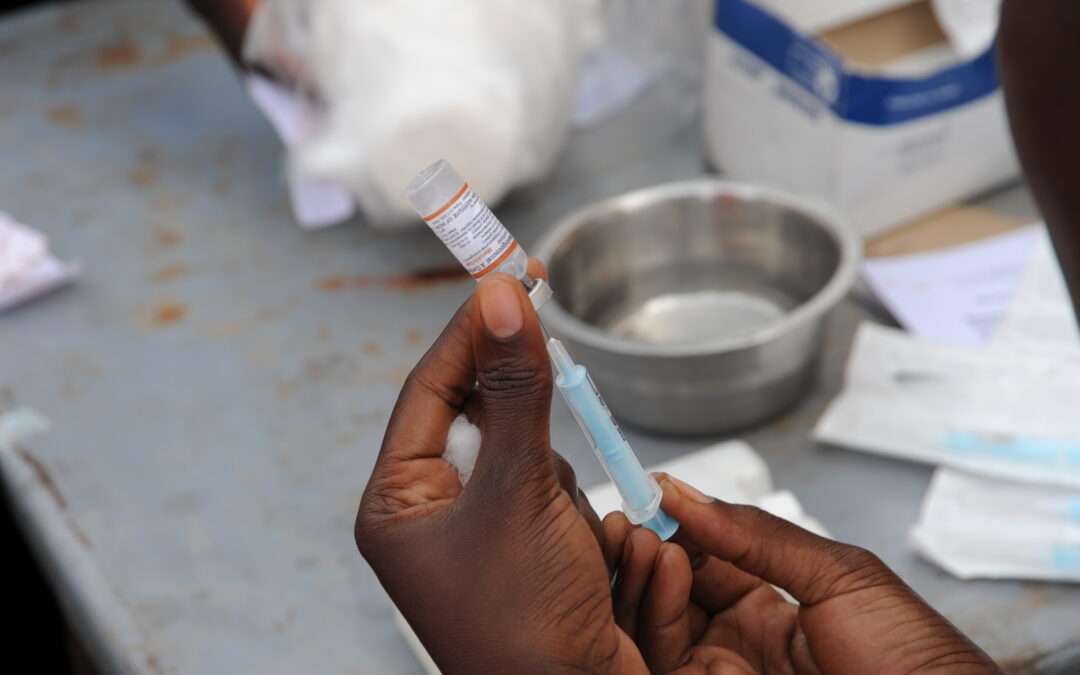
Es importante enfatizar que solo han pasado unos cuatro meses desde que comenzaron las primeras campañas de vacunación masiva en diciembre de 2020. Al momento en que este artículo se escribe, se habían vacunado aproximadamente 450 millones de personas en todo el mundo. No obstante, mientras que en muchas naciones africanas, por ejemplo, no han administrado una sola dosis, en América del Norte se han administrado 23 dosis de la vacuna COVID-19 por cada 100 personas. En el caso de Europa, la cifra es 13/100. La cifra disminuye drásticamente en el Sur global con 6.4/100 en América del Sur; 3.8/100 en Asia; 0.7/100 en Oceanía y apenas 0.6/100 en África.
Vacunas, obligaciones estatales y responsabilidades empresariales
La distribución inadecuada y desigual de las vacunas tiene diversas causas.
La primera causa es la naturaleza generalmente disfuncional del sistema de salud en todo el mundo. Lo cual se debe a, lo que el Comité de Derechos Económicos, Sociales y Culturales (Comité DESC), en su primera declaración sobre COVID-19 de abril de 2020, describió como “decenios de inversión insuficiente en los servicios de salud pública y otros programas sociales”. Las increíbles desigualdades causadas por la privatización de los servicios, instalaciones y bienes de salud, en ausencia de una regulación suficiente, están bien documentadas, tanto en el Norte Global como en el Sur Global.
La segunda causa son los obstáculos para acceder a la vacuna que han sido creados y mantenidos por los Estados, de manera individual o colectiva, a través de los regímenes de propiedad intelectual. Esto no se debe a la falta de lineamientos o mecanismos legales para garantizar la aplicación flexible de las protecciones de la propiedad intelectual a favor de la protección de la salud pública y la realización del derecho a la salud. Sobre este punto, en particular, hay que mencionar el Acuerdo sobre los Aspectos de los Derechos de Propiedad Intelectual relacionados con el Comercio (Acuerdo ADPIC o, en inglés, TRIPS agreement), un acuerdo legal internacional celebrado por miembros de la Organización Mundial del Comercio (OMC) que establece estándares mínimos para la protección de los derechos de propiedad intelectual.
Los Estados están explícitamente autorizados para interpretar las protecciones de los derechos de propiedad intelectual “a la luz del objeto y fin del” Acuerdo ADPIC. Por lo tanto, los Estados conservan el derecho de “conceder licencias obligatorias y la libertad de determinar las bases sobre las cuales se conceden tales licencias” en el contexto específico de emergencias de salud pública. Esta no es la primera vez que una epidemia ha requerido que se realicen acuerdos flexibles para garantizar un acceso rápido, universal, asequible y adecuado a medicamentos y vacunas vitales para salvar vidas.
Es por eso que, la gran mayoría de países y un número abrumador de actores de la sociedad civil han apoyado el requerimiento de Sudáfrica y de India para que la OMC emita una exención temporal (waiver) en la aplicación de los derechos de propiedad intelectual para “los diagnósticos, aspectos terapéuticos y vacunas” de la COVID-19. Este requerimiento ha sido formalmente apoyado por distintos expertos independientes de los procedimientos especiales del Consejo de Derechos Humanos. De igual manera, el 12 de marzo de 2021, a través de una declaración, el requerimiento recibió el respaldo enfático del Comité DESC. Adicionalmente, se debe mencionar que ya existen precedentes en la expedición de exenciones temporales sobre derechos de propiedad intelectual. Por ejemplo, la OMC ha aplicado una excepción temporal hasta 2033, para al menos los países menos desarrollados, que los exceptúa de aplicar las reglas de propiedad intelectual sobre productos farmacéuticos y datos clínicos.
Decepcionantemente, no se había secado la tinta de la declaración del Comité DESC, cuando, ignorando explícitamente todas estas recomendaciones, la excepción temporal fue bloqueada por una coalición de las naciones más ricas, muchas de las cuales ya tienen un acceso sustancial y avanzado a las vacunas. Es importante destacar que las recomendaciones del Comité DESC no se formularon por motivos políticos, sino como una manera de cumplir con la obligación establecida en el PIDESC de que “la producción y distribución de vacunas debe ser organizada y apoyada por la cooperación y la asistencia internacional”.
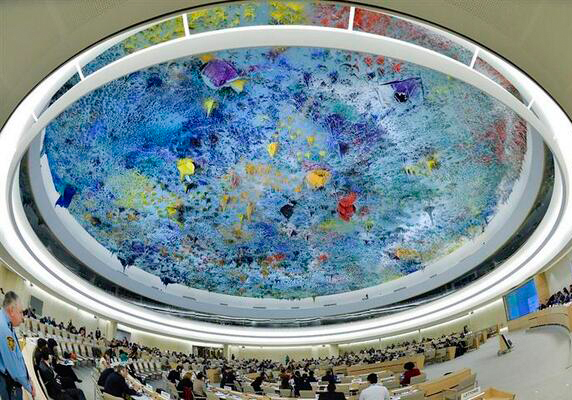
La reciente resolución del Consejo de Derechos Humanos, que fue liderada por Ecuador y el movimiento de Estados no alineados, brinda alguna esperanza de que se altere el actual curso de colisión hacia el desastre. La resolución, que pide el acceso a las vacunas sea “equitativo, asequible, oportuno y universal para todos los países”, reafirma el acceso a las vacunas como un derecho humano protegido y reconoce abiertamente la “asignación y distribución desigual entre países”.
La resolución procede a llamar a todos los Estados, individual y colectivamente, para que se “eliminen los obstáculos injustificados que restringen la exportación de las vacunas contra la COVID-19” y para que “faciliten el comercio, la adquisición, el acceso y la distribución de las vacunas contra la COVID-19” para todos.
Sin embargo, a pesar de las protestas de las organizaciones de la sociedad civil, que participaron en las deliberaciones sobre la resolución, esta solo reafirma el derecho de los Estados a utilizar las flexibilidades del Acuerdo ADPIC, en lugar de respaldar tales medidas como una buena práctica para cumplir las obligaciones de los Estados en materia de derechos humanos. En ese sentido, la resolución adopta un enfoque tibio, en tal vez, la cuestión más apremiante para garantizar el acceso a las vacunas. Este enfoque sigue los principios del comercio internacional, mientras que, irónicamente, ignora los estándares de derechos humanos, que debería considerar por ser una resolución emanada del Consejo de Derechos humanos. Como consecuencia, el enfoque de la resolución en la cuestión apremiante del Acuerdo ADPIC es inconsistente con la perspectiva de derechos humanos, que si tiene el resto de la resolución. Así las cosas, sorprendentemente, la resolución se queda corta y ni siquiera llega a insistir en que los Estados cumplan con sus obligaciones internacionales de derechos humanos establecidas desde hace mucho tiempo.
La resolución tampoco, inexplicablemente, aborda las responsabilidades corporativas, incluidas las de las empresas farmacéuticas, de respetar el derecho a la salud en términos de los Principios Rectores de las Naciones Unidas sobre Empresas y Derechos Humanos, así como el deber correspondiente de los Estados de proteger el derecho a la salud mediante la adopción de medidas regulatorias adecuadas.
La tercera causa, que se encuentra conecta a todo lo anterior, es el fracaso general de los Estados de cumplir de manera plena y adecuada sus obligaciones en materia de derechos humanos en el contexto de las respuestas que han dado a la pandemia de la COVID-19. La redacción sutil pero importante del ejercicio de las flexibilidades del Acuerdo ADPIC como un “derecho de los Estados”, en vez de una forma óptima de cumplir una obligación, expone que existe una asincronía. Específicamente, la manera en cómo los encargados de la formulación de políticas y los asesores jurídicos de los Estados ven y comprenden los derechos humanos, no se alinea con las obligaciones que tienen los Estados en materia de derechos humanos. Obligaciones que, por lo demás, los Estados han asumido de manera voluntaria al convertirse en parte de tratados como el PIDESC.
Un momento crítico: no tiene que ser de esta manera
Como predijo el perspicaz trabajo de Snowden, la pandemia de la COVID-19 representa un momento crítico en la historia de la humanidad. A los Estados, colectiva e individualmente, se les presenta una oportunidad única para sentar un precedente y comenzar a abordar seriamente las causas fundamentales de la desigualdad y la pobreza que prevalecen en todo el mundo.
Tomar la decisión correcta y adoptar una posición moral sobre la importancia del acceso a las vacunas COVID-19 es tanto práctica y simbólicamente importante para que estos esfuerzos tengan éxito. Las vacunas deben ser aceptadas y reconocidas como un bien mundial de salud pública y derechos humanos. Las empresas privadas tampoco deben obstaculizar el acceso equitativo y no discriminatorio a las vacunas para todas las personas.
Para que esto suceda, se requiere un liderazgo decidido de las instituciones internacionales de derechos humanos como el Consejo de Derechos Humanos, la Asamblea General de las Naciones Unidas y la OMC. Desafortunadamente, en la actualidad, no se ha hecho lo suficiente y la politiquería y el interés privado continúan prevaleciendo sobre los principios y el bien público. Hasta que esto cambie, muchas personas en todo el mundo seguirán existiendo, “viviendo como personas que mueren lentamente”. No tiene que ser de esta manera.