Oct 30, 2020
The ICJ published today its new Guidance on Extraditions and Expulsion in Central Asia, an essential tool for judges, prosecutors, law enforcement officers, lawyers and NGOs in the region to implement these procedures in full respect of international law.
The Guidance is the fruit of the long-term work of the ICJ to bring proceedings for the transfer of suspects in Central Asian countries, in particular extraditions and expulsions, in line with States’ obligations under international law, including international human rights and refugee law. It addresses the application by judges and prosecutors of international law and standards in extradition and expulsion proceedings.
This Guidance has been informed by a comparative legal study conducted by the ICJ on the practices of national security-based transfers in countries of the Commonwealth of the Independent States, the European Union and the United States of America. In this study, the ICJ identified shortcomings and provided recommendations to all the countries examined.
Following this mapping, the ICJ, together with the UN Office on Drugs and Crimes (UNODC), the Regional Office for Central Asia of the Office of the UN High Commissioner for Human Rights (OHCHR), the General Prosecutor’s Office of the Republic of Uzbekistan and the Constitutional Chamber of the Supreme Court of Kyrgyzstan convened two Central Asia international expert workshops for judges and prosecutors from Kazakhstan, Kyrgyzstan, Tajikistan, Turkmenistan and Uzbekistan, with the participation of international experts from several European countries.
This Guidance provides practical recommendations for judges and prosecutors in the region to uphold international law in extraditions and other procedures for transfer of suspects.
Their purpose is not only to promote the legal compliance of such measures and the rights of those subject to them, but also their effectiveness, in particular in the fight against impunity.
Universal-Extradition&ExpulsionsCA-Publications-Guidance-2020-ENG (Guidance in English)
Universal-Extradition&ExpulsionCA-Publications-Guidance-2020-RUS (Guidance in Russian)
Watch the ICJ, OHCHR and UNODC event on extraditions and expulsion in Central Asia and how to comply with human rights law
Oct 30, 2020 | Advocacy, Non-legal submissions
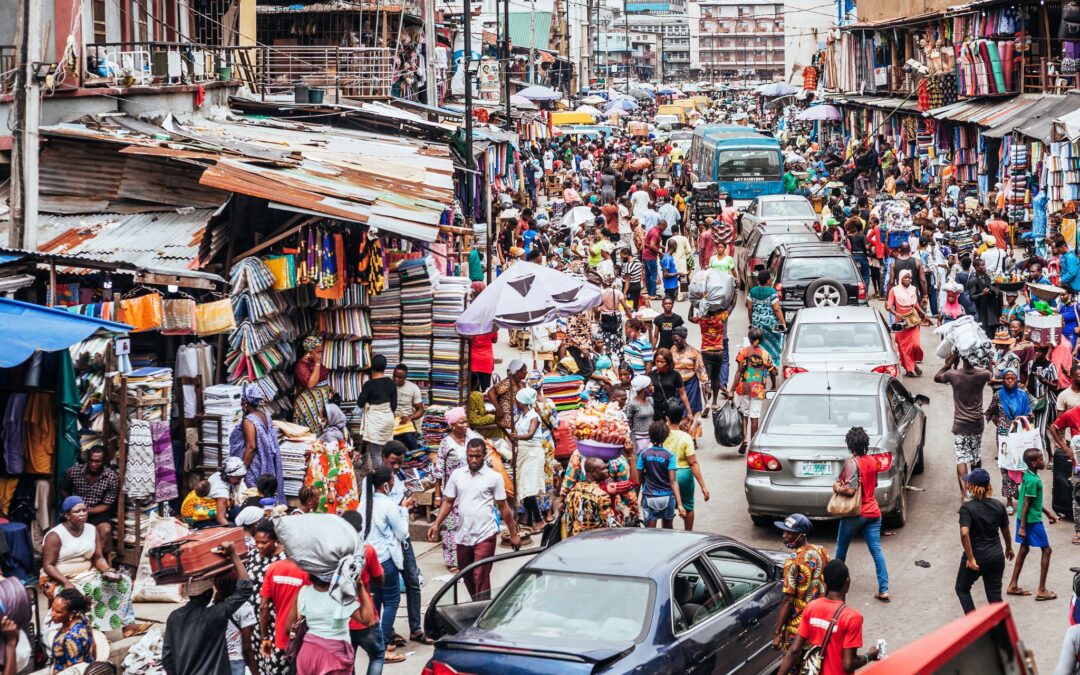
The Gauteng Township Economic Development Bill aims to promote local economic development in designated townships by creating and facilitating the creation of viable township businesses. The Bill establishes a Development Fund whose economic benefits and incentives are strictly reserved for citizens and permanent residents only.
The Bill would prohibit most non-citizens from large swathes of economic activity.
“This would include documented non-citizens like asylum seekers and refugees most of whom are not eligible for social assistance. It might prevent many non-citizens from making a living and could leave many destitute and homeless,” the ICJ Africa Director Kaajal Ramjathan-Keogh said.
“The Bill might also fuel existing xenophobic sentiment and could result in recurrences of xenophobic violence. Courts in South Africa have repeatedly warned government officials and departments against conduct that risks perpetuating xenophobia.”
If this Bill were to be enacted, South Africa would fall short of its requirements under both national and international law.
The ICJ has thus submitted their comments to the Gauteng Provincial Government, which you can find below.
Watch the animation on this issue
Oct 30, 2020 | Agendas, Events, News
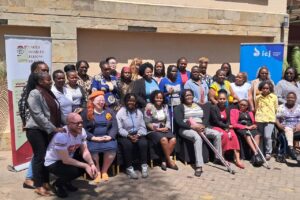
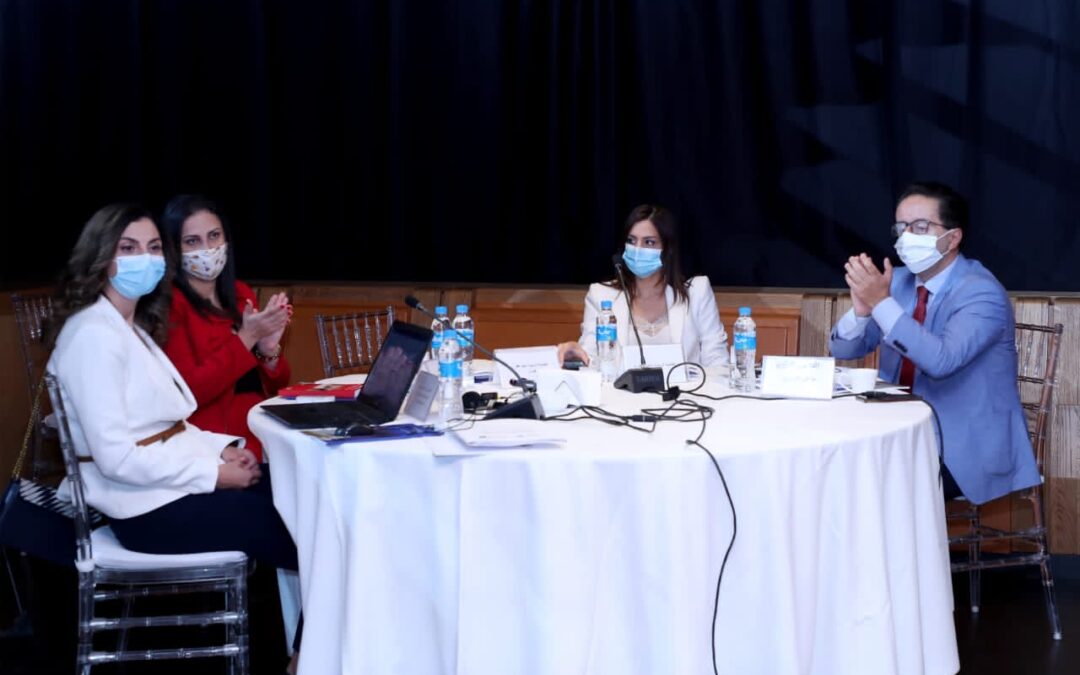
From 27 to 28 October 2020, the ICJ, in collaboration with the National Commission for Lebanese Women (NCLW), held a seminar on recommended practice with respect to evidentiary standards in the investigation, prosecution and adjudication of sexual and gender-based violence offences in Lebanon.
Consultations held by the ICJ with the Lebanese authorities and with practitioners in July 2019 revealed the need to support and bolster the capacity of criminal justice system actors to effectively investigate, prosecute, adjudicate and sanction SGBV, prompting the ICJ, together with NCLW, to organize the seminar.
The seminar accordingly aimed to address the significant gaps in law and procedure and practical obstacles to ensuring key evidence be identified, collected and assessed in a manner consistent with international standards, including Lebanon’s obligations under international human rights law. It also aimed to provide a platform to connect Lebanese judges, prosecutors, police officers, lawyers, forensic practitioners and international experts, with a view to identifying solutions that will ensure women and girls’ effective access to justice for SGBV in Lebanon, in addition to accountability for, and protection from, SGBV.
The discussions predominantly focused on the international law and standards that apply to the identification, gathering, storing, admissibility, exclusion and evaluation of evidence in SGBV cases and how such standards may be used to fill gaps and strengthen domestic law and practice. Participants also discussed the adverse impact patriarchal and other harmful stereotypes have on investigation, prosecution and adjudication processes.
The seminar commenced with opening remarks from NCLW’s President and the International Commission of Jurists’ Middle East and North Africa Programme Director. Speakers included practitioners from international and domestic courts and tribunals, as well as ICJ staff.
The seminar followed the publication of ICJ guidance and recommendations to criminal justice actors in its report Accountability for Sexual and Gender-Based Violence in Lebanon, published on 22 October 2020.
Informed by international law and standards, the ICJ will now formulate recommendations based on the identification by the seminar’s participants of the reforms needed with respect to the Lebanese framework and practice. These recommendations will be included in the ICJ’s forthcoming publication on evidentiary rules and recommended practices in cases of SGBV in Lebanon, which will be published and disseminated among practitioners in Lebanon.
Oct 28, 2020 | News
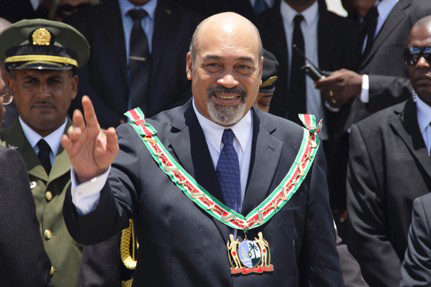
On Friday, 30 October 2020, the Military Court of Suriname (“Krijgsraad”) is expected to resume the appeal process against Suriname’s former president Desi Bouterse. The ICJ will maintain its longstanding monitoring of this trial, which began in 2012.
As of 2020, the trial monitoring exercise will be led by Godfrey Smith SC who is a Senior Counsel, former Attorney General of Belize, and a former High Court judge and acting Justice of Appeal of the Eastern Caribbean Supreme Court.
The Court has announced that the general public will not be permitted to attend the hearing due to the COVID-19 measures.
While Suriname has a general obligation to ensure that trials are public, some restriction on public attendance of a trial maybe appropriate and even necessary to protect public health.
However, the authorities retain a duty to make accommodation for public access to the proceedings, for example by making the proceedings available through video transmission. In this respect, it is critical that efforts be made to ensure transparency, both in the process and in the outcome of the hearing.
Background to the 2020 Hearing
Desi Bouterse was sentenced on 29 November 2019 to 20 years in prison while he was still president of the country. He was found guilty of planning and ordering the murder of 15 political prisoners on 8 December 1982 at the military barracks of Fort Zeelandia. No arrest warrant has ever been issued in relation to either the charge, the conviction or the sentence.
The appeals process started on 22 January 2020. However, after one of the judges fell ill, the case was postponed to 31 March 2020. The merits of the case have not yet been heard.
As with many pending matters in Suriname, the trial was postponed several times due to the COVID-19 pandemic.
The ICJ maintains that the judicial process should run its course with due impartiality, independence and fairness to all parties concerned, and insists that the principles of the rule of law be respected by all.
The ICJ reminds the authorities of the State’s obligation to ensure a fair trial by a competent, independent, and impartial tribunal as guaranteed under article 14 of the International Covenant on Civil and Political Rights, to which Suriname is a party. It also recalls the obligation to ensure accountability for gross human rights violations, including the extrajudicial killings of which Desi Bouterse is accused.
Contact:
Godfrey Smith SC, ICJ monitor of the trial of former President Bouterse, t: 501-610-3114, e: godfrey(a)byronsmithlaw.com
Oct 27, 2020
An opinion piece by Boram Jang, Legal Adviser at the ICJ Asia & the Pacific Programme
On 15 October 2020, the Sri Lankan authorities imposed a curfew in parts of Katunayake Free Trade Zone (KFTZ) after hundreds of workers at the Brandix Fashion Ware factory in Minuwangoda tested positive for COVID-19. More than 1500 people connected to the garment factory have been infected with COVID-19 since October 9, and four factories, Chiefway Katunayake, Next Manufacturing, Naigai and Okaya Lanka, shut down.
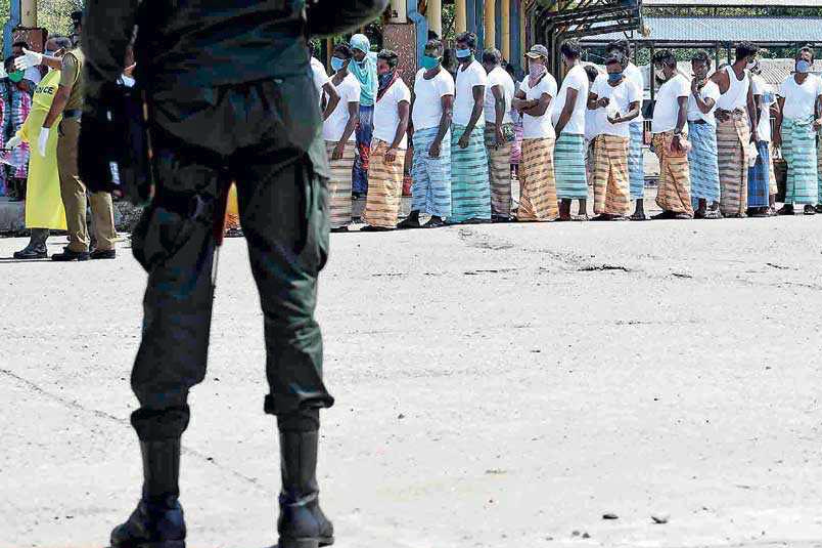
Many KFTZ workers migrate from rural areas in Sri Lanka, and live in overcrowded boarding houses with minimum facilities. Some of these also accommodate pregnant women and mothers with their children. In an attempt to control the spread of Covid-19, the military was called in on 11 October to round-up workers, late at night and early in the morning, to forcibly take them to makeshift quarantine centers.
According to the media and civil society reports, soldiers raided the workers’ boarding rooms, telling them they had five to ten minutes to pack their bags. The workers boarded crowded buses and headed for quarantine centers which were not established according to procedures established by law.
Trade unions and human rights activists spoke out that during this course of action by military, the workers were not informed where the center was located nor provided with protective masks. They weren’t allowed to speak at all and children were separated from their mothers.
When the workers arrived at the center, they were given some food, which many workers found inedible. The facility itself had not been cleaned, toilets were flooded and unsanitary, and no polymerase chain reaction (PCR) tests had been conducted on any of the workers upon their admission to the center. In short, the military-led response to the threat of infection ended up subjecting the workers to greater threat of contagion as well as numerous indignities.
A more sensible way forward is to ensure that responses to the pandemic comply with human rights principles, especially as we hear of more accounts of inappropriate or heavy-handed military behavior in reaction to this public health crisis.
The manner in which the Sri Lankan government and the military have handled the recent outbreak among the workers has been deeply troubling. The lack of clear information provided to the workers, unsafe transportation, unsanitary quarantine facilities established without a legal basis, and failing to conduct tests prior to loading workers onto buses and upon admission to the center, and absence of judicial oversight is in clear violation of basic COVID-19 regulations adhered by the government.
At the heart of all these problems, a heavily militarized and politicized COVID-19 response lies.
In March, Sri Lanka’s first case of COVID-19 was reported. The government set up the National Operation Centre for Prevention of COVID-19 Outbreak (NOCPCO) to prevent the spread of the disease. However, instead of putting a medical professional or civil officer in charge of the Centre, the Rajapaksa government picked Lieutenant General Shavendra Silva, an alleged war criminal, to head the NOCPCO.
Silva was the commander of the 58th Division of the Sri Lankan Army, which was identified by multiple UN investigatory bodies as having been involved in the commission of serious crimes and human rights violations during the last stages of Sri Lanka’s decades-long armed conflict which ended in 2009.
President Rajapaksa has also appointed retired and currently serving military officials to other key public sector positions including the Secretary of the Ministry of Health, the Director General of the Disaster Management Centre, and the Director General of the Customs Department.
After delaying for several weeks, a countrywide curfew was suddenly declared on March 20 without adequate steps to supply essentials goods and medicines to the people. The President also gave full powers to the police to arrest people for violating curfew.
More than Over 60,000 people have been arrested for alleged curfew violations and although most them had been released on bail, the police stated that they will be prosecuted on the advice of the Attorney General’s Department when the normal court proceedings begin once the COVID-19 epidemic is over.
The violators can be prosecuted in magistrate court and if convicted, can be imprisoned up to six months and fined up to Rs. 2000. Lawmakers argued about the curfew’s legality, but it continued to be enforced in several regions, as part of the state’s coronavirus containment strategy.
The military may have to conduct law enforcement functions during a state of emergency such as public health crisis. As the UN human rights guidance provided, the military may only be deployed in a law enforcement context for limited periods and specifically defined circumstances.
When the military conducts law enforcement functions, they should be subordinate to civilian authority and accountable under civilian law, and are subject to standards applied to law enforcement officials under international human rights law.
However, in Sri Lanka now, there is no public discussion or transparency about the actions and decisions of the military during the Covid-19 response. All decisions related to the public health crisis are being made by the NOCPCO with Silva at the helm, without any judicial or Parliamentary oversight, nor any public institutional processes informing those decisions and holding him accountable to them.
Vulnerable ethnic and religious groups are acutely affected by the militarization of the public health response. Tamil organizations and politicians have continuously called for the demilitarization of the North-East. Having the military to oversee the public health policy and to act as the State’s first responders also normalize military occupation, exacerbate the existing ethnic divides, and further deteriorate human rights in Sri Lanka.
Most of the quarantine facilities are located in the North and East of the country, which still remain occupied by the Sri Lankan military.
Despite local concerns about locating quarantine centers in areas already subject to ethnic and political tensions, the government ignored the local concerns and turned schools and educational establishments in the Northern and Eastern Provinces into the quarantine centers.
Furthermore, Muslims in Sri Lanka, have also complained about inappropriate State policies and violations of their freedom to worship. The government mandated compulsory cremations for Muslims who had died after contracting the virus, going against Islamic burial practices and World Health Organisation (WHO) guidelines.
While certain limitations on human rights may be undertaken to confront the public health crisis, such limitations, in keeping with the Siracusa Principles, must be for a specific public health purpose, established by law, non-discriminatory and necessary and proportionate to addressing public health.
Sri Lanka’s involvement of the military at every level, with limited parliamentary and civilian oversight raises serious human rights and rule of law concerns. Public health officials have expressed disagreements with medical authorities in terms of statistics and strategy for managing the outbreak.
The government will only be able to implement successful public health measures and maintain public support and confidence when its policies in response to the pandemic are evidence-based, human rights compliant, and transparent.
Download the Op-Ed in Tamil and Sinhala.
Homepage photo credit: Shehan Gunasekara
First published in Daily FT on 27 October: http://www.ft.lk/opinion/Sri-Lanka-Vulnerable-groups-pay-the-price-for-militarisation-of-COVID-19-response/14-708073