Sep 2, 2020 | Advocacy, Non-legal submissions
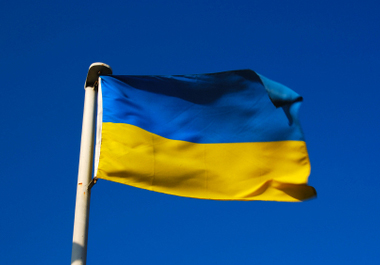
The ICJ has made submissions to the Human Rights Committee, today, on Ukraine’s implementation of, and compliance with, the provisions of the International Covenant on Civil and Political Rights.
The ICJ broughtto the Committee’s attention some issues of concern pertaining to Ukraine’s compliance with and implementation of the ICCPR.
This submission highlights a number of concerns relating to the security and independence of lawyers in Ukraine, and their consequences for the protection of certain Covenant rights. In particular, this submission addresses:
- the institutional independence of the legal profession;
- security of lawyers and their right to life;
- restrictions on access to clients and the rights of the defence; and
- security of lawyers and access to justice in uncontrolled territories in Ukraine.
These concerns highlight Ukraine’s lack of compliance with its obligations under the Covenant, including in respect of the right to life under article 6 and the right to a fair trial under article 14, in particular, as well as under other Covenant rights, such as Ukraine’s obligations under articles 2, 7, 9, 10, and 17 of the ICCPR.
Ukraine-ICJ-Submission-CCPR-Advocacy-Non-Legal-Submissions-2020-ENG
Sep 1, 2020
En un nuevo informe (en inglés) publicado hoy, la CIJ llama a los Estados para que en sus respuestas a la emergencia de salud pública creada por el COVID-19 respeten el derecho internacional de los derechos humanos y el derecho a la salud.
El informe hace énfasis en el grave y discriminatorio impacto que la pandemia ha tenido en diferentes grupos que ya se encontraban en una situación de vulnerabilidad. De igual manera, el informe subraya la importancia que se garantice el acceso a establecimientos, bienes y servicios de salud, sin ningún tipo de discriminación.
El informe, titulado “Viviendo como personas que mueren lentamente: la necesidad de que las respuestas al COVID-19 estén conforme con el derecho a la salud”, documenta los efectos adversos sobre los derechos humanos que ha provocado la pandemia del COVID-19.
El título proviene de las palabras dichas por Mama Yuli, una mujer transgénero de Indonesia, quien afirmó que la pandemia había dejado a muchas mujeres transgénero de la tercera edad con la sensación que “vivían como personas que mueren lentamente”.
El informe subraya la necesidad de un enfoque de derechos humanos y de Estado de Derecho para hacer frente a la pandemia, lo que requiere que los Estados cooperen entre sí para responder a la actual crisis de salud, que por su naturaleza no conoce de fronteras.
“La pandemia del COVID-19 es una crisis de salud pública que representa una amenaza global inmensurable a los derechos humanos y al Estado de Derecho”, dijo Ian Seiderman, director legal y de política pública de la CIJ. “Pero lo que es crucial es que las respuestas de los Estados no solo sean inmediatas y efectivas al COVID-19 como emergencia de salud pública, sino también como una crisis de derechos humanos”, agregó Seiderman.
Tomando en consideración el trabajo previo que ha realizado la CIJ en materia del COVID-19, el informe detalla el impacto desproporcionado de la pandemia en los no ciudadanos, las personas mayores, las mujeres y niñas, la comunidad LGBT, las personas privadas de la libertad, las personas en situación de discapacidad, los trabajadores sexuales y los trabajadores de la salud.
El informe señala la necesidad de que se suministre información en materia de salud por parte de las autoridades estatales, en el contexto del COVID-19. El informe también analiza las medidas adoptadas por los Estados, las cuales, en muchas ocasiones, han restringido el derecho a la libertad de expresión, a la información y a la privacidad.
Por ejemplo, aunque “medidas de rastreo” (contracting tracing measures) pueden ser efectivas, estas medidas también deben respetar los derechos humanos. En adición, la información recolectada a través del rastreo no debe ser usada de manera inapropiada o como un instrumente de represión de individuos o de defensores de derechos humanos.
Por otra parte, reconociendo la interdependencia de todos los derechos humanos, el informe enfatiza en la necesidad de que los Estados aseguren el acceso a los “determinantes sociales de la salud”, como la vivienda, la alimentación y el agua, los cuales, a su vez, son derechos humanos internacionalmente reconocidos.
El informe también ofrece recomendaciones a los Estados que, de aplicarse, contribuirían a asegurar que el derecho a la salud y los derechos humanos sean respetados en las respuestas a la pandemia del COVID-19.
Al respecto, en el informe, la CIJ llama a los Estados para que sigan los lineamientos ofrecidos por los distintos órganos de los tratados de derechos humanos y los expertos independientes de Naciones Unidas sobre las mejores maneras de respetar los derechos humanos mientras adoptan medidas para hacer frente a la pandemia.
Sin duda, el sistema de derechos humanos ofrece directrices esenciales para los Estados, las cuales no estaban disponibles, por ejemplo, durante la pandemia de influenza de 1918, por la cual murieron alrededor de 50 millones de personas.
“Los estados deben acatar los llamados por un enfoque de derechos humanos y de Estado de Derechos en las respuestas al COVID-19. De no hacerlo, sin duda, resultará en la muerte y el sufrimiento muchas personas, lo que aún puede evitarse,” manifestó Seiderman.
El informe también llama la atención sobre la importancia del cumplimiento por parte de las empresas, particularmente las empresas privadas del sector salud, de sus obligaciones en materia de derechos humanos, incluyendo el derecho a la salud.
Este aspecto es crítico, por ejemplo, para asegurar el éxito de los esfuerzos combinados de los Estados y compañías privadas en el desarrollo y distribución de una vacuna contra el COVID-19.
El informe se encuentra disponible en inglés.
Contacto
Timothy Fish Hodgson, Asesor legal de la CIJ en derechos económicos sociales y culturales.
Correo electrónico: timothy.hodgson(a)icj.org
Teléfono: +27828719905
Sep 1, 2020 | News, Publications, Reports, Thematic reports
In a new report published today, the ICJ called on all States to ensure that their responses to the public health emergency brought on by the COVID-19 comply with the international human rights law and the right to health.
The report emphasized the particularly acute and discriminatory impact of the pandemic on already marginalized people and the need for access to health facilities, goods and services necessary to combat COVID-19 without discrimination.
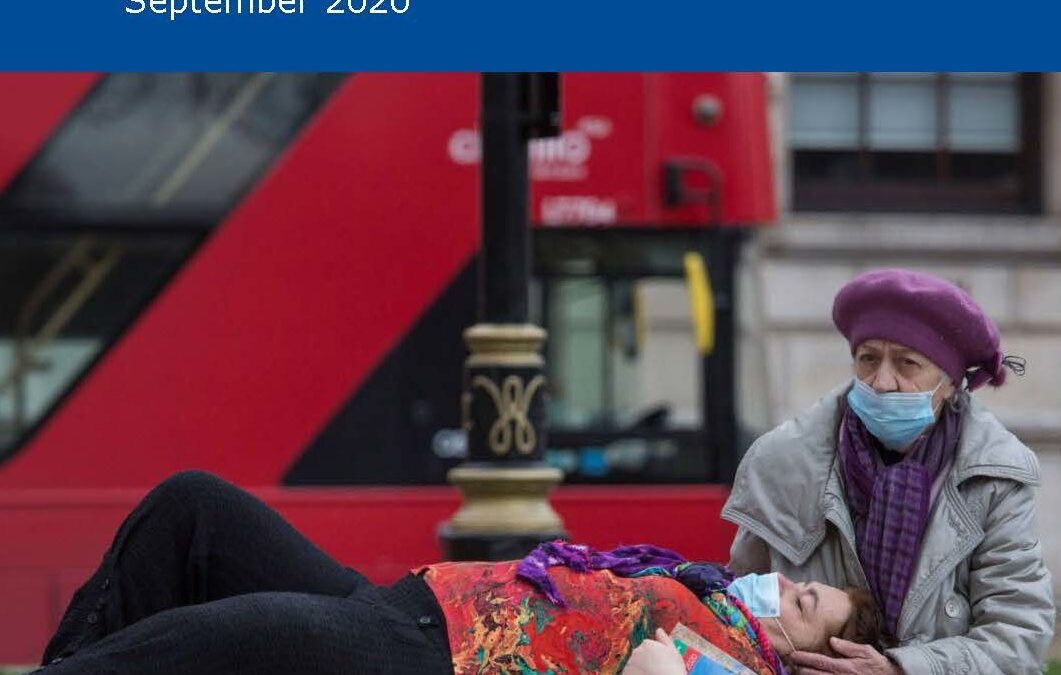
The report Living Like People Who Die Slowly: The Need for Right to Health Compliant COVID-19 Responses documents the adverse human rights effects wrought by the COVID-19 pandemic.
The title comes from the words of Mama Yuli, an Indonesian transwoman, who has said that the pandemic left many elderly transwomen feeling like “they live like people who die slowly”.
The report emphasizes the need for a human rights and rule of law-based approach to the pandemic, with States working cooperatively to address a health crisis that by its nature knows no national boundaries.
“The COVID-19 pandemic is public health crisis that presents immeasurable threats to human rights and the rule of law globally, said Ian Seiderman, the ICJ’s Legal and Policy Director.
“But what is crucial is that States responses themselves not only respond immediately and effectively to COVID-19 as a public health emergency, but also as a human rights crisis”, he added.
Building on the ICJ’s earlier responses to COVID-19, the report details the disproportionate impact of COVID-19 on non-citizens, older persons, women and girls, LGBT persons, persons deprived of their liberty, persons with disabilities, sex workers and healthcare workers.
The report also emphasizes the need for the provision of health information by State authorities in the context of COVID-19 and scrutinizes measures taken by States which have often curbed the rights to freedom of expression, information and privacy.
For example, though “contracting tracing” measures may be effective they must also be human rights compliant and information gathered through such measures should not be used inappropriately or as an instrument of repression of individuals and human defenders.
Acknowledging the interconnectedness of all human rights, the report emphasizes the need for States to ensure provision and protection of access to the “social determinants of health” such as housing, food and water, themselves also internationally protected rights.
The report provides recommendations to States that may assist in ensuring right to health and human rights compliant responses to COVID-19.
The ICJ called on States to respect the various guidance offered by UN human rights treaty bodies and independent experts on how best to comply with their human rights obligations while responding to the pandemic.
The human rights system provides important guidance to States that was not available, for example, during the 1918 influenza pandemic, which ultimately resulted in an estimated 50 million deaths.
“States must heed these calls for a human rights and rule of law-based response to COVID-19, as failure to do so will certainly result in death and human suffering that can still be avoided,” said Seiderman.
The report also raises the importance of compliance by businesses, including particularly private actors in the healthcare sector, with their responsibility to respect human rights, including the right to health.
This will be critical, for example, in ensuring the success of combined efforts of States and private companies in the development and ultimate distribution of a COVID-19 vaccine.
Contact
Timothy Fish Hodgson, ICJ Legal Adviser on Economic, Social and Cultural Rights, t: +27828719905 e: timothy.hodgson@icj.org
Download
Universal-Global Health COVID-19 Exec Sum-Publications-Reports-Thematic Reports-2020-ENG (Executive Summary, in PDF)
Universal-Global Health COVID-19-Publications-Reports-Thematic Reports-2020-ENG (Full report, in PDF)
Myanmar-ICJ-Right-to-Health-Report-2021-BUR.pdf (Full report in Burmese)
Read also
Human Rights in the time of COVID-19: Front and Centre – ICJ news, articles, op-eds, legal blogs, videos
COVID-19 Symposium: COVID-19 Responses and State Obligations Concerning the Right to Health (Part 1)
COVID-19 Symposium: COVID-19 Responses and State Obligations Concerning the Right to Health (Part 2)
Watch
Sep 1, 2020 | Noticias
Hoy, la CIJ llamó a la Organización de los Estados Americanos (OEA) a respetar la autonomía e independencia de la Comisión Interamericana de Derechos Humanos (CIDH), como órgano encargado de promover la observancia de los derechos humanos en las Américas, incluso respecto de sus funciones administrativas básicas.
El Secretario General de la OEA se ha negado a respaldar la decisión unánime tomada por la Comisión Interamericana en enero de 2020, de renovar el mandato del Secretario Ejecutivo de la CIDH, Paulo Abrão, cuyo mandato expiró el 15 de agosto.
La negativa a renovar un mandato no puede hacerse sobre la base de denuncias presentadas, sino que éstas deben ser previamente resueltas en un plazo razonablemente breve, con base en los principios del debido proceso para todas las partes interesadas.
La CIJ señala la importancia de tramitar oportunamente las quejas realizadas por el personal conforme a los principios del debido proceso para todas las partes, y de contar con procedimientos transparentes e independientes para ello.
La CIJ recuerda que es fundamental asegurar la independencia y la autonomía de la Comisión Interamericana, lo que necesariamente incluye su Secretaría Ejecutiva y las funciones relacionadas con el proceso de nombramiento de su titular.
El Secretario General de la CIJ, Sam Zarifi, mencionó que “la CIDH ha desempeñado un papel fundamental en las Américas para promover los derechos humanos y proteger a las víctimas de violaciones de derechos humanos”. Agregó que “la situación requiere una resolución urgente que garantice el respeto de los principios de independencia y autonomía de la CIDH”.
Sep 1, 2020 | Advocacy, News
Today the ICJ called on the Organization of American States (OAS) to respect the autonomy and independence of the Inter-American Commission on Human Rights (IACHR) as the body in charge of promoting the observance of human rights in the Americas, including in respect of its core administration functions.
The OAS Secretary-General has declined to endorse the unanimous decision taken in January by the seven-person IACHR to renew the mandate of its Executive Secretary, Paulo Abrão, whose term expired on 15 August.
The Secretary General indicated that his action was motivated by concern at internal complaints that are still to be resolved.
The refusal to renew this mandate, however, must not be made on the basis of pending complaints, which must nonetheless be resolved in a reasonably short period of time, based on the principles of due process for all parties concerned
The ICJ recognizes the importance of processing the staffs’ complaints in a timely manner which respects the due process rights of the parties concerned through an independent and transparent process.
The ICJ recalls that it is essential to ensure the independence and autonomy of the Inter-American Commission, which necessarily includes the functions related to the appointment process of the Executive Secretary.
“The IACHR has played a critical role in the Americas to advance human rights and to protect victims of human rights violations,” said ICJ Secretary General Sam Zarifi.
He also mentioned that “the situation requires an urgent resolution that guarantees respect for the principles of independence and autonomy of the IACHR.”