Apr 6, 2020 | News
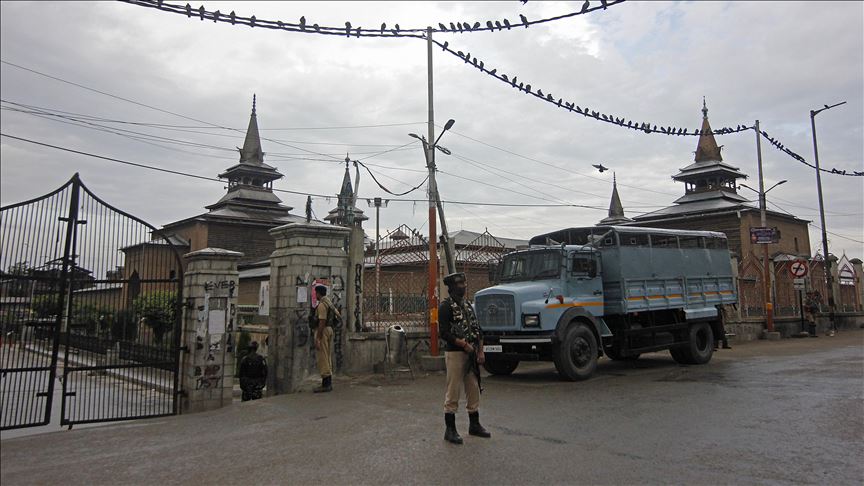
ICJ has joined other NGOs in welcoming steps taken by Indian authorities to decongest prisons in an effort to contain the novel coronavirus (COVID-19). The Government should release all unjustly detained prisoners as a matter of priority.
The joint statement read as follows:
The fate of hundreds of arbitrarily detained Kashmiri prisoners hangs in the balance as the number of confirmed cases of coronavirus in India passes the 4,000 mark and many more are likely to remain undetected or unreported.
Inmates and prison staff, who live in confined spaces and in close proximity with others, remain extremely vulnerable to COVID-19. While the rest of the country is instructed to respect social isolation and hygiene rules, basic measures like hand washing – let alone physical distancing – are just not possible for prisoners.
Under international law, India has an obligation to ensure the physical and mental health and well-being of inmates. However, with an occupancy rate of over 117%, precarious hygienic conditions and inadequate health services, the overcrowded Indian prisons constitute the perfect environment for the spread of coronavirus.
In a bid to contain the spread of the disease among inmates and prison staff, the Supreme Court asked state governments on 23 March 2020 to take steps to decongest the country’s prison system by considering granting parole to those convicted or charged with offenses carrying jail terms of up to seven years.
The United Nations High Commissioner for Human Rights Michelle Bachelet also called on governments to “examine ways to release those particularly vulnerable to COVID-19, among them older detainees and those who are sick, as well as low-risk offenders.”
Various state governments in India have now begun releasing detainees. However, there is a concern that hundreds of Kashmiri youth, journalists, political leaders, human right defenders and others arbitrarily arrested in the course of 2019, including following the repeal of Article 370 of the Indian Constitution on 5 August 2019, will not be among those benefiting from the measure. Article 370 provided special status to Jammu & Kashmir.
Human rights groups and UN experts have repeatedly called for the release as a matter of priority of “those detained without sufficient legal basis, including political prisoners and others detained simply for expressing critical or dissenting views.”
Last month, the Ministry of Home Affairs revealed that 7,357 persons had been arrested in Jammu & Kashmir since 5 August 2019. While the majority have since been released, hundreds are still detained under sections 107 and 151 of the Criminal Procedure Code, the Unlawful Activities (Prevention) Act (UAPA), and the Public Security Act (PSA), a controversial law which allows the administrative detention of any individual for up to two years without charge or trial. Reportedly, many of those still detained are minors.
Many of those detained were transferred to prisons all across India, thousands of kilometers away from their homes, hampering their lawyers’ and relatives’ ability to visit them. Some of the families, often too poor to afford to travel, have been left with nothing but concerns over the physical and psychological well-being of their loved ones.
Mr. Miyan Abdul Qayoom, a human rights lawyer and President of the Jammu & Kashmir High Court Bar Association, was also cut off from his family and lawyer. Detained since 4 August 2019 in India’s Uttar Pradesh State, he was transferred to Tihar jail in New Delhi following a deterioration of his health. Mr. Qayoom, 70, suffers from diabetes, double vessel heart disease, and kidney problems.
Mr. Ghulam Mohammed Bhat was also transferred to a jail in Uttar Pradesh. In December 2019, he died thousands of kilometers away from his home at the age of 65 due to lack of medical care.
With the entire country in a lockdown and a ban on prison visits for the duration of the outbreak imposed, inmates are more isolated from the outside world than ever. In such a situation, prison authorities must ensure that alternative means of communication, such as videoconferencing, phone calls and emails, are allowed. However, this has not often been the case. Especially in Jammu & Kashmir, where full internet services are yet to be restored after a communication blackout imposed on the population on 5 August 2019, contacts between inmates and the outside world are even more limited.
- Amnesty International India
- Asian Forum for Human Rights and Development (FORUM-ASIA)
- CIVICUS: World Alliance for Citizen Participation
- International Commissions of Jurists (ICJ)
- International Federation for Human Rights (FIDH)
- World Organisation Against Torture (OMCT)
To download the statement with detailed information and key recommendations, click here.
Apr 6, 2020
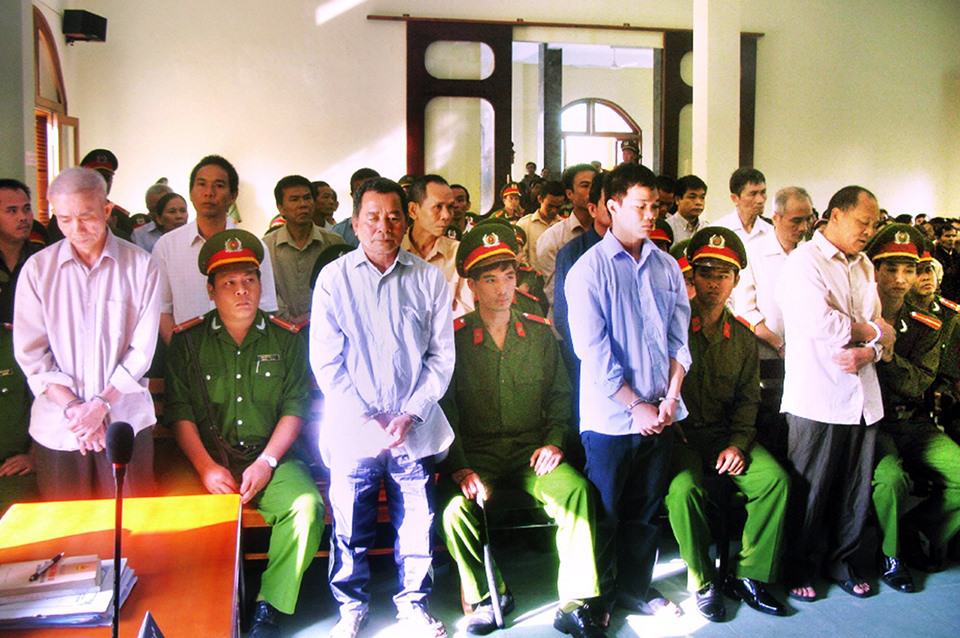
Today, the ICJ submitted an open letter to the Prime Minister, Deputy Prime Minister and acting Minister of Health, Minister of Public Security and Minister of Justice of Vietnam, expressing concerns about detainees whose physical integrity and well being are believed to be at risk.
This is because they have not been provided with adequate access to healthcare and medical treatment in prison.
The ICJ also called on the Vietnamese authorities to respect, protect and fulfill its obligations to ensure humane treatment and provide equal right of access to healthcare and health services to all prisoners and detained individuals, in their measures to combat the COVID-19 outbreak; and to release detainees particularly vulnerable to the COVID-19 crisis, including older detainees and those who are sick or suffering from pre-existing medical conditions.
In its letter, the ICJ raised concerns about the condition of 21 detainees who have allegedly not been provided adequate access to healthcare and medical treatment. The detainees are adherents of the An Dan Dai Dao, a Buddhist religious organization which has been the target of official persecution, raising concerns that their prosecution and their mistreatment in detention may be linked to their religious affiliation.
The ICJ urgently requested Vietnamese authorities to take immediate steps to:
- Ensure that the responsible authorities provide the detained individuals with access to adequate, prompt and continuous healthcare and medical attention, in line with Vietnam’s Constitution, and the International Covenant on Civil and Political Rights (ICCPR) and the International Covenant on Economic, Social and Cultural Rights (ICESCR) – both to which Vietnam is a State party. Such provision should also be in accordance with the United Nations Standard Minimum Rules for the Treatment of Prisoners (“Nelson Mandela Rules”), which should be fully implemented;
- Ensure that the responsible authorities meet the State’s obligations to provide equal right of access to healthcare, health facilities, goods and services to all prisoners and detained individuals;
- Conduct medical examinations and risk assessments of all persons held in detention, and release those particularly vulnerable to the COVID-19 virus, including older detainees and those who are sick or suffering from pre-existing medical conditions, including the 21 individuals named in the letter;
- Ensure that detainees, including the 21 individuals named in the letter, are not subjected to torture or other ill-treatment and that their rights to humane treatment, dignity and life are protected in accordance with articles 7 and 10 of the ICCPR and the UN Convention against Torture (UNCAT), to which Vietnam is a State party.
To download the open letter, click here.
To download the annex, click here.
To download the full statement with background information, click here.
Contact
Frederick Rawski, ICJ Asia Pacific Regional Director, e: frederick.rawski(a)icj.org
Apr 6, 2020 | Feature articles, Multimedia items, News, Video clips
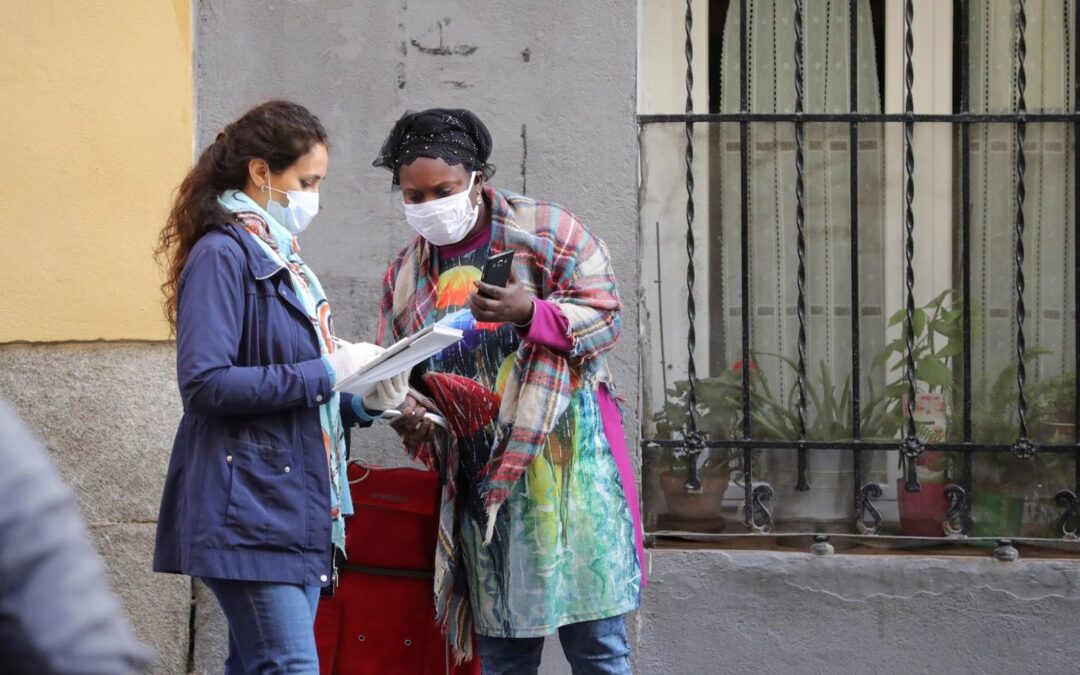
As of 8:00am CET this morning, the Coronavirus COVID-19 Global Cases tracker by the Center for Systems Science and Engineering at Johns Hopkins University in the US recorded 169,049,480 confirmed cases of individuals who had contracted the COVID-19 disease in 192 countries, and 3,513,137 people who had succumbed to the virus. Read all the ICJ articles on the crisis.
Against this background, the aim of this blog is to highlight the necessity of ensuring the consistency of public health policies taken as part of the global responses to the COVID-19 pandemic with human rights law and standards.
As outlined in a prescient 2019 Lancet Commission report – The legal determinants of health: harnessing the power of law for global health and sustainable development – the law, and a firm commitment to the rule of law, play a critical role in the pursuit of global health with justice.
Ultimately, scientifically sound, evidence-based, human rights compliant, transparent and accountable public health policies and practices will also be more effective, as they will, in turn, elicit greater public support, including by prompting greater adherence to public health policy directives imposing restrictive measures on human rights.
As Michelle Bachelet, the UN High Commissioner for Human Rights recently affirmed, ‘COVID-19 is a test for our societies, and we are all learning and adapting as we respond to the virus. Human dignity and rights need to be front and centre in that effort, not an afterthought’.
China, where cases of COVID-19 were first documented, has been questioned from inside and outside for its response to the crisis, at first attempting to shut down information about the virus, leading to arrests and detentions. Outside China, while some COVID-19 health policies have been evidence-based, such as scaled-up, accurate testing for suspected cases, others are ineffective and overly broad, increasing stigmatization and misinformation.
Around the world, people of Asian descent have been subjected to xenophobia, stigmatization and racist attacks. Moreover, many States have now imposed extensive travel restrictions or even blanket travel bans; some have gone as far as using the COVID-19 pandemic as a pretext to promote their xenophobic and anti-asylum agenda and have now shut down their borders to refugee claimants, thereby flouting the right of anyone to seek asylum from persecution in other countries.
In a frontal attack against women’s human rights, in Texas and Ohio, the authorities have moved to ban healthcare providers from performing abortions in most circumstances – purporting to do so to respond to the global COVID-19 crisis. There is also a world of false information on COVID-19. For instance, Indonesia’s health minister suggested that Islamic prayers shielded people from the virus.
To foster scientifically accurate, human rights compliant global health responses – including to events such as the COVID-19 pandemic – it is crucial to enhance dialogue between the public health and human rights sectors. A good place to start framing a productive exchange in this respect is to take a close and simultaneous look at the International Health Regulations (IHR (2005)) – an agreement among 196 WHO Member States to work together for global health security – and to the Siracusa Principles on the Limitation and Derogation Provisions in the International Covenant on Civil and Political Rights (the Siracusa Principles), setting out criteria to determine the lawfulness of measures restricting or otherwise limiting human rights taken by States to respond to – among other things – public health emergencies.
International Health Regulations & Travel Restrictions
Article 3(1) of the IHR (2005), setting out the principles informing the regulations, recalls that, ‘[t]he implementation of these Regulations shall be with full respect for the dignity, human rights and fundamental freedoms of persons’. And, perhaps tellingly, in Article 32, concerning the treatment of travellers, the IHR proclaim, among other things, that, ‘[i]n implementing health measures under these Regulations, States Parties shall treat travellers with respect for their dignity, human rights and fundamental freedoms’.
Notwithstanding the express human rights obligations enshrined in the IHR, current public policy responses to the ongoing crisis – and even public discourses around those responses – make very few, if any, direct references to human rights and, in fact, seem to be oblivious to the impact that measures taken and/or considered in the response to COVID-19 have on human rights.
But the IHR, as noted in a recent piece by Roojin Habibi et al, restrict ‘the measures countries can implement when addressing public health risks to those measures that are supported by science, commensurate with the risks involved, and anchored in human rights. The intention of the IHR is that countries should not take needless measures that harm people or that disincentivise countries from reporting new risks to international public health authorities’.
Siracusa Principles
The 1985 Siracusa Principles provide a good basis to flesh out what a human rights compliant public health response to the COVID-19 pandemic must entail. They detail criteria – by now firmly enshrined in international human rights law and standards – to determine the lawfulness of State measures restrictive of human rights.
According to the Siracusa Principles, for instance, when a State invokes public health as a ground for limiting certain rights, its actions ‘must be specifically aimed at preventing disease or injury or providing care for the sick or injured’. Even in circumstances when it is undeniable that a public health emergency may threaten the life of a nation, the Siracusa Principles reaffirm the obligation of States to ensure that any public health response to such an emergency be rooted in and compatible with human rights law and standards. Importantly, the Principles provide further interpretive guidance to States, proclaiming that restrictions on human rights may be justifiable only when they are:
- provided for and carried out in accordance with the law;
- based on scientific evidence;
- directed toward a legitimate objective;
- strictly necessary in a democratic society;
- the least intrusive and restrictive means available;
- neither arbitrary nor discriminatory in application;
- of limited duration; and
- subject to review.
The final condition – that State action be subject to review – is critical. Analogous requirements can be seen in other areas of international law. In the asylum and refugee context, for example, detention guidelines promulgated by the United Nations High Commissioner for Refugees emphasize that confinement on health grounds beyond an initial medical check must be subject to judicial oversight. Similarly, the Human Rights Committee’s General Comment no. 35 makes clear that the International Covenant on Civil and Political Rights ‘entitles anyone who is deprived of liberty by arrest or detention’ to take their case before a court to decide on ‘the lawfulness of detention’, enshrining the principle of habeas corpus.
The General Comment adds that this right also applies to house arrest, as a form of deprivation of liberty. Of course, whether involuntary home confinement constitutes deprivation of liberty – entitling those subjected to such a measure to challenge the lawfulness of their detention before a court – is a question of fact, depending, in turn, on the degree of the physical confinement imposed. Voluntarily choosing to stay at home in response to State authorities’ exhortation to do so, on the other hand, does not constitute deprivation of liberty.
Furthermore, any State action must comply with the rule of law and should respect the separation of powers. Neither the executive nor public health authorities should be immune from having their actions legitimately scrutinized by other branches of the State, namely, the legislature and the judiciary. Checks and balances are necessary to ensure respect for human rights and for democratic legitimacy.
In conclusion, both the IHR (2005) and the Siracusa Principles remind us of the fact that State responses to global public health emergencies cannot be unfettered, and must comply with States’ human rights obligations. Public responses to health emergencies and human rights need not be in conflict – indeed, grounding States’ public health measures in the human rights framework provides the most effective way to advance global health with justice.
The Lancet Commission report suggests one way to further identify human rights and rule of law compliant measures in the current and future global public health policy response. The report calls for a partnership between ‘legal and health experts to create an independent standing commission on global health and the law’ that would propose ‘evidence-based legal interventions for addressing major global health challenges, reforms of the global health architecture and international law, and strategies to build and strengthen global and national health law capacities’.
We should heed that call.
(Article written by Sam Zarifi and Kate Powers)
Read also
Indonesia: trans women face discrimination in access to Covid-19 vaccines
Nepal: seeking a rights-based approach to healthcare
European Union and India: leaders should use meeting to demonstrate commitment to defending rights and combating Covid-19 pandemic
The unvaccinated: equality not charity in Southern Africa – new ICJ report
Indian government fails to protect right to life and health in second wave of COVID-19 Pandemic
Journalists and media platforms at increased risk in Cambodia, Thailand and Vietnam during the COVID-19 pandemic
Venezuela: lack of access to safe water aggravates the COVID-19 pandemic
Covid-19: applying human rights standards to ensure corporate accountability in the context of COVID-19 vaccine access
Vaccine patents: healthy or harmful?
ICJ calls on States to ensure human rights compliant access to COVID-19 vaccines (UN Statement)
Peru: the COVID-19 vaccine demands international and national solidarity
Harmonizing global health law and human rights law to develop rights-based approaches to global health emergencies
The ICJ and ZimRights ask for urgent intervention on access to COVID-19 vaccines from African Commission Mechanism
ICJ urges the UN Committee on Economic, Social and Cultural Rights to call on States to comply with their obligations to ensure equitable access to vaccines for all
The ICJ recommends that the African Union acknowledge COVID-19 vaccines are a “public good”
ICJ Covid-19 end of year compassion appeal
Indonesia: ICJ addresses open letter to COVID-19 Mitigation Task Force calling for special measures to protect women workers in its pandemic response
Women facing health risks and gender-based violence in Venezuela
Sri Lanka: Mahara prison killings must be properly investigated and urgent measures taken to protect detainees from COVID-19
COVID-19: ICJ publishes global guidance on the use of videoconferencing in judicial proceedings
Nepal: ICJ briefing paper outlines shortcomings in protecting the right to health during COVID-19 pandemic
Thailand: need to protect the right to health of the most marginalized highlighted in public seminar on human rights and the COVID-19 Pandemic
Sri Lanka: vulnerable groups pay the price for militarization of COVID-19 response
Lesotho: ICJ Webinar highlights COVID-19 adverse pandemic impacts on the right to equal education of children with disabilities
At UN, ICJ highlights human rights approach to COVID-19
New ICJ global report shows that the right to health must be central to State responses to COVID-19
Central Asia: ICJ calls on Central Asian States to ensure access to justice during the COVID-19 pandemic
Tajikistan: online workshop on access to justice in the times of COVID-19
India: ICJ Commissioner Justice Ajit Prakash Shah discusses the responsibility of the Courts in upholding human rights during COVID-19 pandemic
EU: the impact of COVID-19 on human rights of migrants and refugees
Israel: ensure full compliance with the International Covenant on Civil and Political Rights – new briefing paper
COVID-19: ICJ calls on African States to protect women from escalating sexual and gender based violence
ICJ briefing paper on the impact of anti-COVID-19 pandemic measures on access to justice in CIS countries
Facebook, Twitter and social media in times of COVID 19 and #BlackLivesMatter
Rights of judicial proceedings’ participants must be protected in Tunisia following COVID-19 lockdown
ICJ Covid-19 Emergency Appeal: donate now!
ICJ webinar highlights difficulties in responding to gender based violence during the Covid-19 pandemic (watch below)
The right to water in India and the COVID-19 crisis – ICJ Briefing Paper
In solidarity with the stateless
Kazakhstan: online conference on law and human rights during the COVID-19 pandemic
COVID-19 pandemic exposes India’s housing crisis – ICJ Briefing Paper
COVID-19: NGOs emphasize role of independent UN human rights experts
COVID-19: Myanmar’s ongoing Internet shutdown and hostilities threaten right to health
Judiciaries during COVID-19: South American experience
South Africa: ICJ calls on authorities immediately ensure the end of all evictions and protect the livelihoods of all
India on the brink of Hunger Crisis during COVID-19 Pandemic, warns ICJ Briefing Paper
Philippines: upholding human rights during a state of public health emergency
European Union: ICJ joins call for urgent EU response to Hungary’s COVID-19 emergency law
COVID-19: Indian authorities must act immediately to protect internal migrant workers stranded under intolerable conditions
Amid COVID-19 crisis, Polish parliament must reject regressive proposals on sexual and reproductive rights
Myanmar: Government must lift online restrictions in conflict-affected areas to ensure access to information during COVID-19 pandemic
ICJ joins in highlighting COVID-19 human rights issues at Human Rights Council
European governments must ensure safe and timely access to abortion care during the COVID-19 pandemic
Colombia: COVID-19 policies should include conflict-related measures, especially for human rights defenders
Cambodia: State of Emergency bill violates the rule of law
ICJ Guidance on the Courts and COVID-19
South Africa: authorities must work urgently to curb gender-based violence under lockdown
State measures to address COVID-19 must be gender responsive
COVID-19: the ICJ publishes a briefing paper on promoting non-citizens’ right to work in South Africa
New Zealand: unprecedented lockdown should be carefully monitored
Guatemala: the ICJ urges the Government to protect the rights of indigenous people against COVID-19
You can’t fight the virus when you live in poverty
COVID-19: Use of digital surveillance technologies must be human rights compliant
Southeast Asia: States must respect and protect rights in combating misinformation online relating to COVID-19
Turkey : ICJ urges extension of alternatives to detention for prison population amid COVID-19 crisis
COVID-19 pandemic: Zimbabwe must act urgently to protect the right to health of inhabitants
South Africa: authorities must take immediate measures to protect social and economic rights before nationwide lockdown commences
Thailand: measures under the Emergency Decree to address the COVID-19 outbreak must conform to international law
COVID-19: urgent measures must be taken by MENA governments to protect the prison population
Hungary : Parliament should not pass COVID-19 permanent emergency powers Bill
Read ICJ legal blogs on OpinioJuris
The COVID-19 measures impact on the rights of migrants and refugees in the EU: access to the right to seek asylum and reception and living conditions
The Right to Health in the Occupied Palestinian Territory during the COVID-19 Pandemic
The right to social security: navigating the narrow passage between virus suppression and economy resuscitation
A Radical Shift in Libyan and International Priorities is Necessary to Protect Health and Save Lives in Libya (+ Arabic version)
Gender Based Violence during the COVID-19 Pandemic and economic, social and cultural rights
The Right to Health of Venezuelans in Colombia: From Policy to Practice (Part 2)
The Right to Health of Venezuelans in Colombia: From Principle to Policy (Part 1)
COVID-19 Symposium: The Use of Criminal Sanctions in COVID-19 Responses – Enforcement of Public Health Measures, Part II
COVID-19 Symposium: The Use of Criminal Sanctions in COVID-19 Responses – Exposure and Transmission, Part I
COVID-19 Symposium: The Courts and Coronavirus (Part II)
COVID-19 Symposium: The Courts and Coronavirus (Part I)
COVID-19 Symposium: COVID-19 Responses and State Obligations Concerning the Right to Health (Part 2)
COVID-19 Symposium: COVID-19 Responses and State Obligations Concerning the Right to Health (Part 1)
Watch video interviews
Frederick Rawski, Director of ICJ’s Asia & Pacific Programme talks with ICJ Commissioner and former Chief Justice of the High Court of Delhi, Ajit Prakash Shah about the role of the Indian judiciary as “protector of Indian people” in the context of the Covid-19 epidemic.
ICJ Director of Media & Communications Olivier van Bogaert talks with ICJ President Robert Goldman about the COVID-19 situation in the USA and its impact on human right and the rule of law. They also discuss the killing of George Floyd.
ICJ Senior Legal Adviser Massimo Frigo (Europe Programme) talks with ICJ Vice-President Radmila Dragicevic Dicic about the COVID-19 situation in Serbia:
ICJ Senior Legal Adviser Massimo Frigo (Europe Programme) talks with prominent judge of the Tribunal of Milan, Martina Flamini about Italy, the European country that has been first hit by the COVID-19 pandemic.
ICJ Director of Media & Communications Olivier van Bogaert talks with ICJ Commissioner Belisário dos Santos Júnior about the COVID-19 pandemic in Brazil and the health, political and judicial crisis that it triggered.
ICJ Senior Legal Adviser Massimo Frigo (Europe Programme) talks with prominent human rights lawyer Zia Oloumi about France’s Rule of Law and Human Rights during COVID-19:
ICJ Communications Officer Shaazia Ebrahim talks with ICJ Legal Adviser Khanyo Farisè about the gendered impact of COVID-19 in Southern Africa.
ICJ Senior Legal Adviser Massimo Frigo (Europe Programme) talks about Poland with prominent human rights lawyer, Maria Ejchart-Dubois:
ICJ Senior Legal Adviser Massimo Frigo (Europe Programme) talks about Kazakhstan with ICJ Legal Consultant Dmitriy Nurumov.
ICJ Communications Officer Shaazia Ebrahim talks with ICJ Legal Adviser Tim Fish Hodgson about how COVID-19 has impacted socio-economic rights in South Africa:
ICJ Senior Legal Adviser Massimo Frigo (Europe Programme) talks about Uzbekistan with ICJ Legal Consultant Dilfuza Kurolova.
ICJ Senior Legal Adviser Massimo Frigo (Europe Programme) talks with Turkish lawyer and ICJ Legal Consultant Kerem Altiparmak:
ICJ Communications Officer Shaazia Ebrahim talks to ICJ Legal Adviser Justice Mavedzenge about COVID-19 and human rights issues in Zimbabwe:
ICJ Communications Officer Shaazia Ebrahim talks to Arnold Tsunga, Director of ICJ Africa Programme:
ICJ Senior Legal Adviser Massimo Frigo (Europe Programme) talks with Carolina Villadiego Burbano, ICJ Legal and Policy Adviser for Latin America, about COVID-19 and human rights issues in Colombia:
ICJ Commissioner Justice Kalyan Shreshta talks about the COVID-19 situation in Nepal:
Which answers from economic and social rights to the COVID-19 pandemic? ICJ Senior Legal Adviser Massimo Frigo (Europe Programme) talks with ICJ Legal Adviser Tim Fish Hodgson (Africa Programme)
Follow webinars
The ICJ brought together first responders from Asia and the Pacific, the Middle East and Africa to discuss how they were responding to #GBV during the #COVID19 pandemic.
Additional links
Nina Sun and ICJ Senior Legal Adviser Livio Zilli talk about Criminalization & COVID-19: Public Health and Human Rights Implications
Apr 6, 2020 | Advocacy, Analysis briefs, News
The briefing paper is published today in the context of significant uncertainty and distress experienced by migrant workers, refugees, asylum seekers, stateless people and other non-citizens in South Africa as a result of the COVID-19 pandemic and the measures that the authorities have taken with the stated aim of responding to it.
“All people residing in South Africa have the right to work and in earn a living in the country under international human rights law. The Government of South Africa should guard against laws, policies and public statements that discriminate against non-citizens especially during the public health emergency caused by COVID-19. Lockdown regulations and directions must be conceived and implemented in a way that fully enables all migrant workers performing essential services, including informal traders, waste reclaimers and shop owners to operate on an equal basis with South African citizens,” said Arnold Tsunga, the ICJ’s Africa Director.
The ICJ has previously condemned discriminatory statements made about non-citizen owners of “spaza shops” made by Minister Khumbudzo Ntshavheni in the context of COVID-19, and called on President Ramaphosa to publically repudiate these statements.
The briefing paper, which was produced in consultation with domestic, South African human rights organizations: the Socio-Economic Rights Institute and Lawyers for Human Rights, sets out the following clear principles of international human rights law regarding non-citizens’ right to work in South Africa:
- Everyone, regardless of citizenship status, has the right to work in South Africa under, among others, the International Convention on Economic, Social and Cultural Rights and the African Charter on Human and People’s Rights;
- This right to work, which is binding on South Africa, adds to the government’s constitutional obligations in terms of rights at work or the “right to fair labour practices”;
- The right to work protects both formal and informal workers, including non-citizens, in accordance with ILO Recommendation 204 and the General Comments of the Committee on Economic, Social and Cultural Rights;
- The right to work applies to non-citizens irrespective of their documentary status in South Africa;
- No restrictions on the “core” obligations placed on states in terms of the right to work, as set out by the Committee on Economic, Social and Cultural Rights, are permissible;
- Restrictions or limitations on the right to work are permissible if they are set out in clearly in legislation, in pursuit of a legitimate objective, and are reasonable and proportionate taking into account the need to protect human dignity consistently with international human rights law and the Constitution;
- Any restrictions on non-citizens’ rights to work should be administrative (such as requiring permits or documentation), rather than substantive or categorical, otherwise they are likely to amount to prohibited forms of discrimination in terms of international and South African law; and
- Any administrative process designed by the State in this regard must be reasonable and proportionate and geared towards facilitating non-citizens ability to work in SA instead of limiting them.
Contact:
Tim Fish Hodgson, ICJ Legal Adviser, e: tim.hodgson(a)icj.org ; c: +2782871990
Shaazia Ebrahim, ICJ Media Officer, e: shaazia.ebrahim(a)icj.org ; c: +27716706719
Download
South Africa-Non Citizens Right to Work-Advocacy-Analysis Brief-2020-ENG (full paper in PDF)
Apr 6, 2020
An opinion piece by Kingsley Abbott, ICJ Senior Legal Adviser, Global Redress and Accountability
In New Zealand, swimming at the beach is prohibited, an activity so entrenched in the Kiwi psyche that for many it is like being asked to go without oxygen.
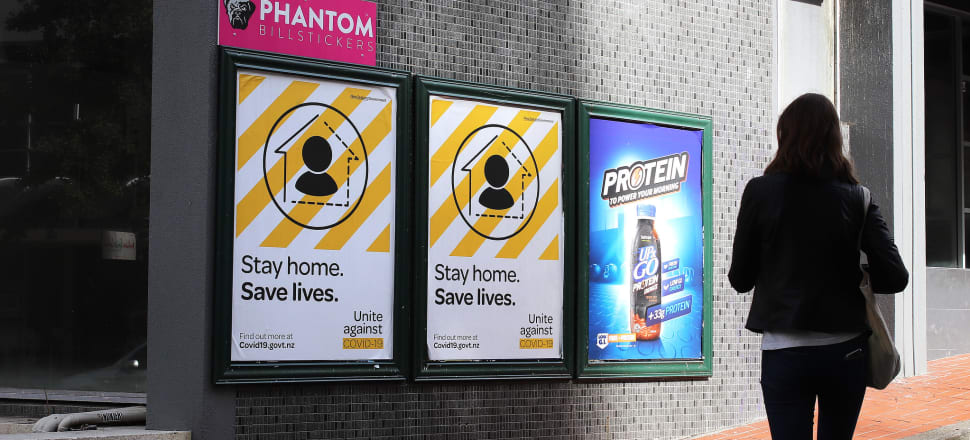
The Government has asked everyone to “unite against Covid-19” by living under the severest restrictions on fundamental freedoms the country has ever known. On 25 March, a one-week State of Emergency was declared, which was renewed for another seven days on 31 March.
New Zealand is also experiencing a “lockdown” under a Government-imposed “Covid-19 Alert System”, which means that, under the current Alert Level 4, nearly everyone must stay at home for at least four weeks unless they are purchasing groceries, medical supplies or enjoying exercise locally, among other restrictions.
This situation has taken us into unchartered territory and Kiwis should monitor the actions of our Government carefully.
Restrictions are being enforced by the police, who now enjoy extensive, broadly-worded, powers under the Civil Defence Emergency Management Act and the Health Act.
And the police have been active, including by setting up checkpoints to screen peoples’ movements, asking Kiwis to report on their neighbours who break the rules, and requesting people in non-managed self-isolation give consent to the police to track their movements using their cellular devices.
The Government’s response to Covid-19 appears to have the general support of most people.
Kiwis have good reason trust their Government, with New Zealand’s strong track record of upholding human rights and the rule of law.
And it should be commended for its swift implementation of a range of special actions taken to alleviate peoples’ suffering at this time, including the most vulnerable, such as by providing a wage subsidy scheme, leave and self-isolation support, business cash flow and tax measures, a mortgage repayment holiday scheme and a business finance guarantee scheme.
Establishing a bi-partisan Epidemic Response Committee to oversee the Government’s response was also a positive step, and should serve as a model to other states.
That said, we should not be complacent about the magnitude of what we are being asked to endure, and what it already means for the “Kiwi way of life”, our communities and the nation.
Lessons learned from around the world where living under limitations on rights and states of emergency has become a way of life for many (such as in Thailand where I live and work), include that without constant scrutiny, restrictions put in place to respond to an emergency can be abused and sometimes linger long after they are required, assuming they were ever required in the first place.
Another, global, example is how in the post-September 11 context, different limitations which were put in place to combat the specific threat of terrorism – including enhanced powers of state surveillance – remain in place today, altering the trajectory of whole societies around the world.
So, what does monitoring our Government’s response to Covid-19 mean for New Zealand and what can we use as a yardstick?
It is not widely known that an international human rights legal framework exists which applies to precisely this situation, and that it is legally binding on New Zealand.
The Government – including the police – cannot simply do whatever it wants to combat the pandemic, even in good faith.
Rather, the framework requires New Zealand to place human rights and the rule of law at the forefront of its response.
Among other things, the Government must ensure that each and every restriction on our rights and freedoms has a clear legal basis; is described in specific terms so that people know how their rights are being limited, under which law, and precisely what they are (and are not) permitted to do; and is subject to the review of the courts, if necessary.
In combating Covid-19, all states, including New Zealand, are confronted with the challenge of ensuring that the whole protective fabric of human rights (civil, political, economic, social and cultural) and the rule of law is applied coherently and consistently.
New Zealand has a duty to respect, protect and fulfil a cluster of rights, including the right to life and the right to health.
These duties have a range of sources in national and international law, including under treaties to which New Zealand is a State Party, such as the International Covenant on Civil and Political Rights (ICCPR) and the International Covenant on Economic, Social and Cultural Rights (ICESCR).
For example, Article 12 of the ICESCR – which deals with the right to health – recognises New Zealand’s duty to respect, protect and fulfil “the right of everyone to the enjoyment of the highest attainable standard of physical and mental health” and the obligation to take effective steps for the “prevention, treatment and control of epidemic, endemic, occupational and other diseases.”
At the same time, New Zealand has a duty to respect, protect and fulfil another range of interrelated and interdependent rights including the rights to free movement, expression, assembly and association found in our domestic law (such as the New Zealand Bill of Rights Act) and the ICCPR.
Article 12 of the ICCPR states that “Everyone lawfully within the territory of a State shall, within that territory, have the right to liberty of movement and freedom to choose his residence.”
This is the Article that protects, for example, our right to travel between cities or go for a swim at the beach.
Subsection 3 allows certain restrictions on the right to movement but only in limited circumstances, including to protect public health: “The above-mentioned rights shall not be subject to any restrictions except those which are provided by law, are necessary to protect national security, public order (ordre public), public health or morals or the rights and freedoms of others, and are consistent with the other rights recognized in the present Covenant.”
And by declaring a State of Emergency, New Zealand has entered into another, quite specific, legal territory that has its own framework for dealing with public emergencies, should it seek to derogate (suspend or restrict obligations in certain emergency situations) from its obligations under the ICCPR, which it does not appear to have done so far.
Whether through normal limitation or emergency derogation, there are certain conditions to restricting rights that must always be observed under international human rights law and standards.
The Siracusa Principles and the jurisprudence of the UN treaty bodies (tasked with monitoring the implementation of the core international human rights treaties) set out what these requirements mean in practice.
In particular, any restrictions should, at a minimum, be:
• provided for and carried out in accordance with the law;
• directed toward a legitimate objective, as provided under the ICCPR (in this case public health);
• strictly necessary in a democratic society to achieve the objective;
• the least intrusive and restrictive available to reach the objective;
• based on scientific evidence and be neither arbitrary nor discriminatory in application; and
• of limited duration, respectful of human dignity, and subject to review.
While we should, of course, obey the current range of restrictions, we should also be aware of the Government’s obligations and our rights.
Government accountability, transparency and the rule of law – always necessary – is vital in these extraordinary times.
For example, we should welcome how initial confusion about the precise scope of restrictions, their legal basis and how they are being policed is now being addressed, including through a new, detailed, Health Act Order, and release of the Police’s Operational Policing Guidelines, both issued after questions were raised before the Epidemic Response Committee on Friday.
As the Covid-19 pandemic continues to rage around the world, many governments are struggling with an appropriate reaction.
New Zealand should continue to establish itself as a global leader on what a response grounded in human rights and the rule of law looks like.
To download the Op-Ed, click here.
This article was first published on Newsroom, available at: https://www.newsroom.co.nz/pro/2020/04/06/1117304/our-unprecedented-lockdown-should-be-carefully-monitored