Mar 30, 2020 | News
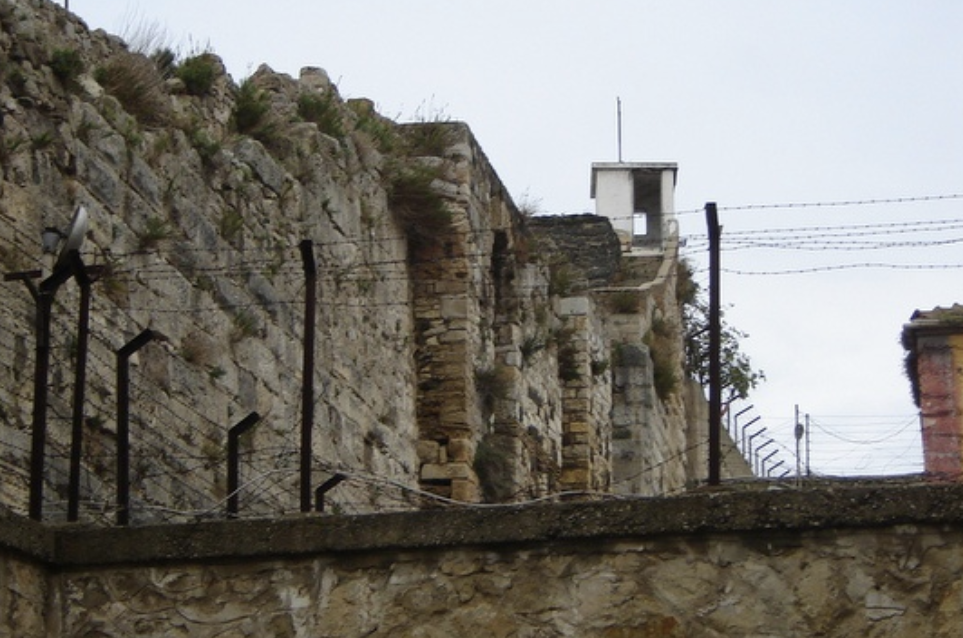
The ICJ is calling on the Turkish Parliament to extend the planned provision of alternatives to detention in response to the COVID-19 crisis to all those imprisoned for non-violent crimes who do not pose a current threat to members of the public, regardless of the nature of the offences for which they have been charged.
In particular, alternatives to detention should apply to all those detainees who are particularly at risk at losing their life or suffering severe health effects from COVID-19.
Measures to protect the right to life, the right to health and other human rights must apply equally and without discrimination in line with Turkey’s international legal obligations.
The government have announced the tabling of a draft law to reduce the prison population that has been under discussion in recent months. The process has been accelerated with the purported aim of addressing the serious health risk that an outbreak of COVID-19 contagion would pose to the prison population. However, the draft law has not been adapted to address the health crisis and contains several shortcomings.
The new measures would grant alternatives to detention, including house arrest or early parole to an estimated one-third of the prison population.
This welcome move is however limited by the exclusion of those convicted or under trial for terrorism offences or offences against the State.
“In Turkey, terrorism offences and offences against the State have long been abused to arrest, try and jail human rights defenders, lawyers, judges and political opponents,” said Massimo Frigo, Senior Legal Adviser for the ICJ Europe and Central Asia Programme. “The rights to life and health of these groups are now at particular risk.”
The ICJ considers that it is also essential that all detainees who are members of a group whose life or health may be at risk because of COVID-19 have either access to alternatives to detention, if they do not pose a current threat to public safety, or, otherwise, to detention conditions that may preserve them as far as possible from such risk.
“The State has a non-derogable obligation to protect the right to life of all its prison population, without discrimination of any sort,” Massimo Frigo added.
Mar 30, 2020 | Eventos, Noticias
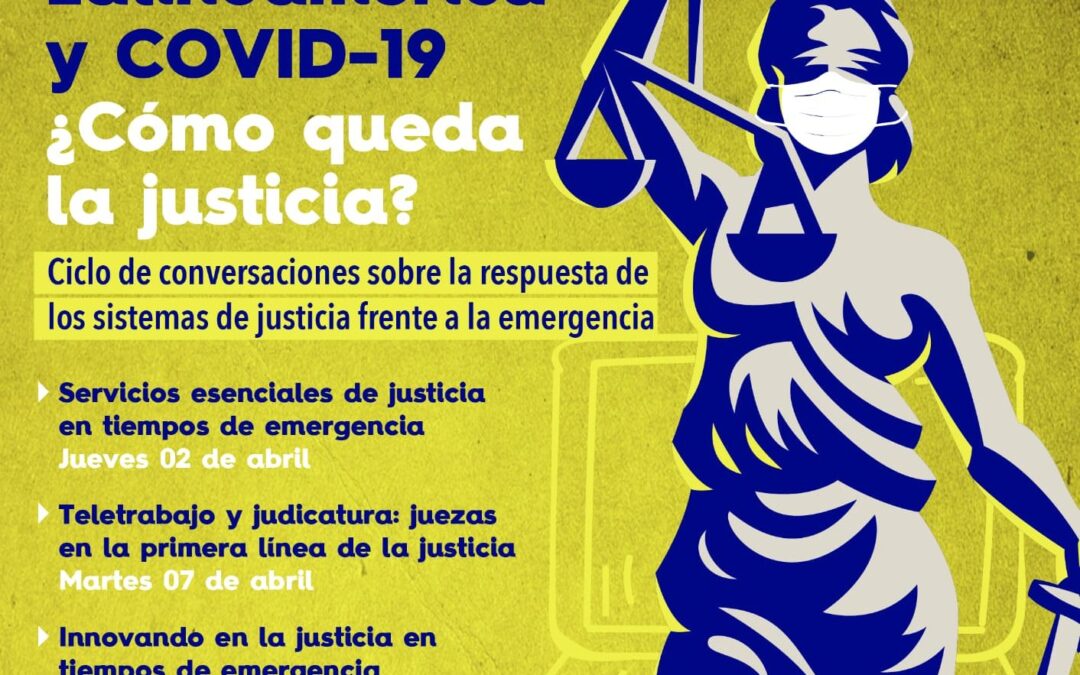
Los países de América Latina han adoptado diversas medidas excepcionales para enfrentar la pandemia, gestionar la crisis sanitaria y adoptar cuarentenas de la población. Estas medidas tienen efectos directos sobre los derechos básicos y las libertades de las personas.
Por este motivo, vale la pena preguntarse: ¿Cómo han reaccionado los sistemas de justicia frente a esta situación? ¿Qué se requiere para seguir garantizando el acceso a la justicia en esta coyuntura? ¿Cómo afecta la pandemia la prestación de los servicios de justicia? ¿Cómo puede innovar la justicia para dar una respuesta a las nuevas y crecientes demandas ciudadanas?
Por esto, la CIJ apoya una iniciativa que es liderada por un grupo de mujeres de América Latina que trabajan en temas de justicia en la región, que pretende analizar la respuesta de los sistemas de justicia frente a la emergencia generada por la pandemia. Esta iniciativa cuenta con el apoyo de DPLF, la Fundación Construir, la Fundación Tribuna Constitucional, el Observatorio de Derechos y Justicia, y la Fundación para la Justicia y el Estado Democrático del Derecho.
Los conversatorios se llevarán a cabo en español y a través de la plataforma Zoom; las inscripciones para cada conversatorio se pueden realizar enviando un correo electrónico a: info@dplf.org Las personas inscritas recibirán el link donde se podrá seguir la actividad.
Los primeros tres conversatorios son los siguientes:
- Servicios esenciales de la justicia en tiempos de emergencia: 2 de abril
14 horas México-Centroamérica/ 15 horas Colombia-Perú-Ecuador/ 16 horas Washington-Bolivia/ 17 horas Chile -Argentina
- Teletrabajo y judicatura: juezas en la primera línea de la justicia: 7 de abril
14 horas México-Centroamérica/ 15 horas Colombia-Perú-Ecuador/ 16 horas Washington-Bolivia/ 17 horas Chile -Argentina
- Innovando en la justicia en tiempos de emergencia: 9 de abril
14 horas México-Centroamérica/ 15 horas Colombia-Perú-Ecuador/ 16 horas Washington-Bolivia/ 17 horas Chile -Argentina
Mar 27, 2020 | News
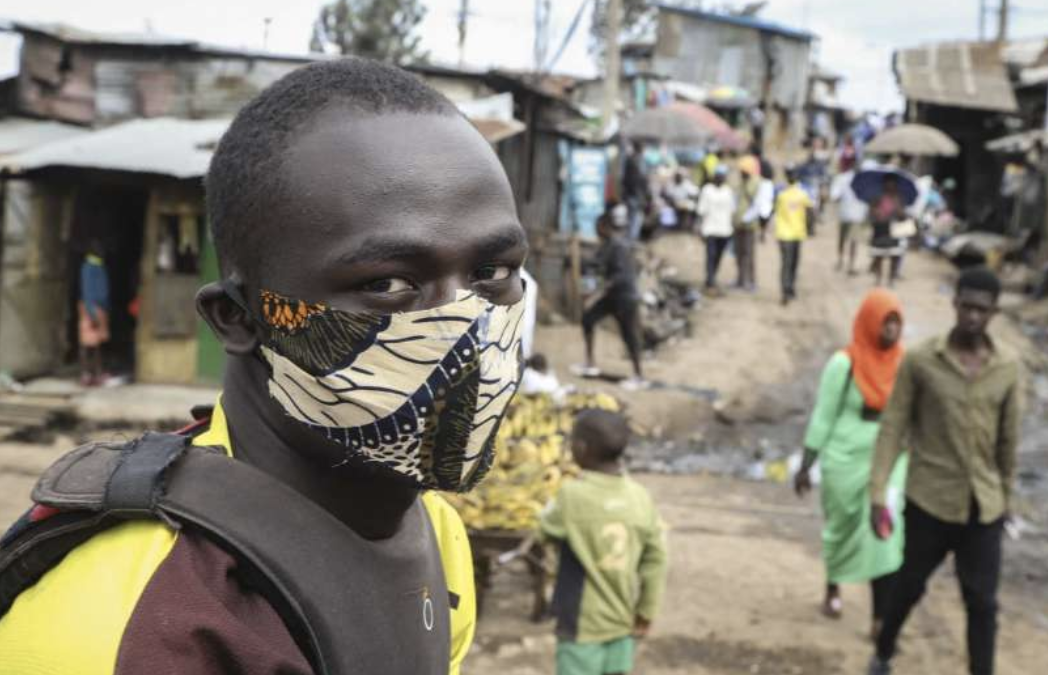
The ICJ today called on the responsible authorities to adopt urgent measures to ensure the equal protection of the right to health and life of the country’s inhabitants in the wake of the growing COVID-19 pandemic.
The call came amidst indications that official response has been inadequate and poorly conceived.
Although Zimbabwe has only three officially confirmed COVID-19 cases and one casualty so far, the true figures are likely to be higher.
Media reports indicate that the health care facilities designated to deal with COVID-19 cases are severely under equipped. Doctors and nurses have announced that they are withdrawing their services because government is failing to provide them with protective clothing such as masks and gloves.
“The ICJ is deeply concerned by the poor state of preparedness of the Zimbabwean Government to handle COVID-19 cases,” said Arnold Tsunga, ICJ African Programme Director.
“The COVID-19 pandemic has brought to the fore cracks in health systems and presented governments everywhere with unprecedented challenges. The government’s response should however remain steeped in obligations espoused in the Constitution and international legal instruments to which Zimbabwe is a party,” he added.
The ICJ called on the Government of Zimbabwe to take urgent measures, include those aimed at ensuring that its healthcare system can provide for adequate screening, testing and care for COVID-19 patients.
The ICJ said that the Government must also investigate reports of the mishandling of patients, increase transparency and regular communication with the public and dedicate more resources to dealing with the COVID-19 pandemic.
Background
Zimbabwe announced its first confirmed case of COVID-19 on 21 March. The first casualty was recorded on 23 March. On 25 March 2020, the Ministry of Health and Child Welfare reported that a total of 100 people had been tested for COVID-19. Of these, 96 were negative, three tested positive and one test was found to be inconclusive.
Zimbabwe is a party to the International Covenant on Economic, Social and Cultural Rights (ICESCR), which imposes a duty to protect the right of everyone to enjoyment of the highest attainable standard of physical and mental health. Zimbabwe is also party to the International Covenant on Civil and Political Rights and the African Charter on Human and Peoples Rights, both of which guarantee the right to life.
Pursuant to Section 76 (1) of the Constitution of Zimbabwe, the government must provide access to basic health care services to all citizens and residents. Further, section 76 (3) of the Constitution enjoins government to ensure that no person is denied emergency medical treatment in any health care facility. In addition, government has an obligation, under section 51 of the Constitution, to protect human dignity.
The Committee on Economic, Social and Cultural Rights has set out the minimum standards which must be fulfilled at all times for States that are party to the IECSCR;
- Quality: Heath care facilities should be equipped with necessary equipment and medicine including safe and adequate water, sanitation and skilled medical professionals.
- Availability: Health care facilities with adequately trained and fairly-paid medical personnel and essential medicines should be made available to all.
- Accessibility: Health care facilities should be accessible to all without discriminating. Accessibility also includes physical accessibility, economic accessibility and access to information.
- Acceptability: Health care services should be provided in a manner that complies with medical ethics.
Measures undertaken by the Government of Zimbabwe, in response to the COVID-19 pandemic must adhere to these minimum standards. However, the ICJ has noted the following allegations and reports from credible media sources;
- Gross under-testing of people despite showing most of the COVID-19 symptoms;
- Absence of protective gear for health care workers;
- Lack of training of health care workers on the proper handling of COVID-19 related patients;
- Mishandling/ill treatment of patients at COVID-19 health care centres;
- Absence of equipment such as ventilators and respirators;
- Absence of running water at designated COVID-19 health care centres;
- Insufficient staffing at the designated COVID-19 care and isolation centres, as a result of some doctors and nurses having gone on strike;
- Government is establishing fully equipped COVID-19 health care facilities but exclusively for the political elites and their associates.
Contact:
Arnold Tsunga, Director of the ICJ Africa Regional Programme, t: +263 77 728 3248, e: arnold.tsunga(a)icj.org
Mar 27, 2020 | News
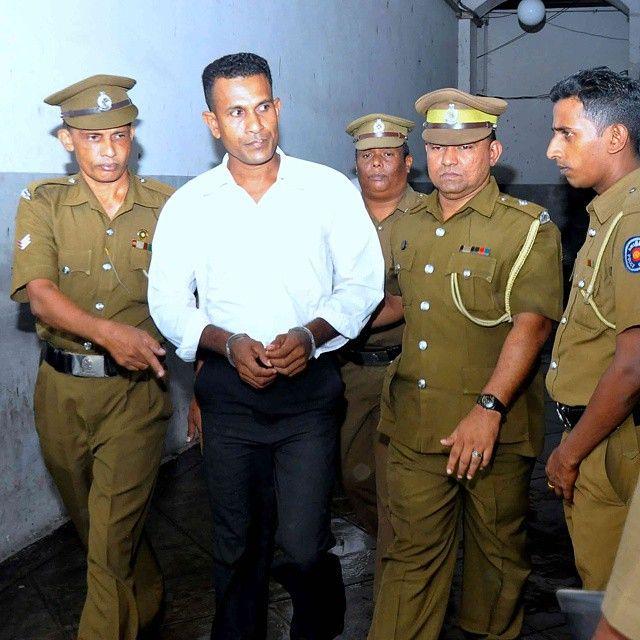
The ICJ today condemned the Presidential pardon granted to murder convict Sunil Ratnayake, Former Staff Sergeant of the Sri Lankan Army.
Sri Lankan President Gotabaya Rajapaksa pardoned Former Staff Sergeant Sunil Ratnayake who was convicted in 2015 for the murder of eight Tamil civilians, including three children, in Mirusuvil in April 2000. The conviction and death sentence was affirmed by the Supreme Court of Sri Lanka in 2019.
The ICJ said that the pardon cast serious doubt upon the Government’s commitment to accountability and the rule of law in Sri Lanka.
While the ICJ welcomes the lifting of the death sentence, the full pardon and extinguishment of serious punishment constitutes a blow to the victims of these violations.
“The prosecution of Staff Sergeant Ratnayake for his involvement in the killing of civilians, including children, at Mirusuvil was a rare exception to the usual lack of accountability for human rights violations committed during the conflict,” said Frederick Rawski, ICJ’s Regional Director for Asia and the Pacific. “Such a pardon is incompatible with international standards relating to impunity and access to justice, and reinforces the well-founded public perception that the military is exempt from any form of accountability, even for the most heinous crimes”.
The ICJ stressed that for serious crimes such as unlawful killing of civilians, there should be no amnesties or pardons that are inconsistent with the right to victims of such violations to reparation.
“It is particularly distressing that a presidential pardon of this nature has been issued at a time when the nation is dealing with the potentially devastating impacts of the COVID-19 outbreak,” said Rawski. “The government would be advised to focus on responding to legitimate calls to release prisoners of minor offences, and take measures to address prison congestion, rather than taking cynical advantage of the crisis to free convicted war criminals.”
It is noteworthy that during his presidential campaign, Gotabaya Rajapaksa had made repeated pledges to release “war heroes languishing in prison over false charges and cases”. The ICJ is deeply concerned that this presidential pardon may be the first of the many to come.
The ICJ has consistently raised concerns about the severe lack of accountability regarding crimes perpetrated by the Sri Lankan armed forces – most recently before the Human Rights Council in February 2020.
The ICJ opposes capital punishment in all cases without exception as a violation of right to life and to freedom from cruel, inhuman or degrading punishment.
Contact
Frederick Rawski, ICJ’s Asia Pacific Regional Director, t: +66 2 619 84 77; e: frederick.rawski(a)icj.org
Mar 26, 2020 | Новости, Пресс-релизы
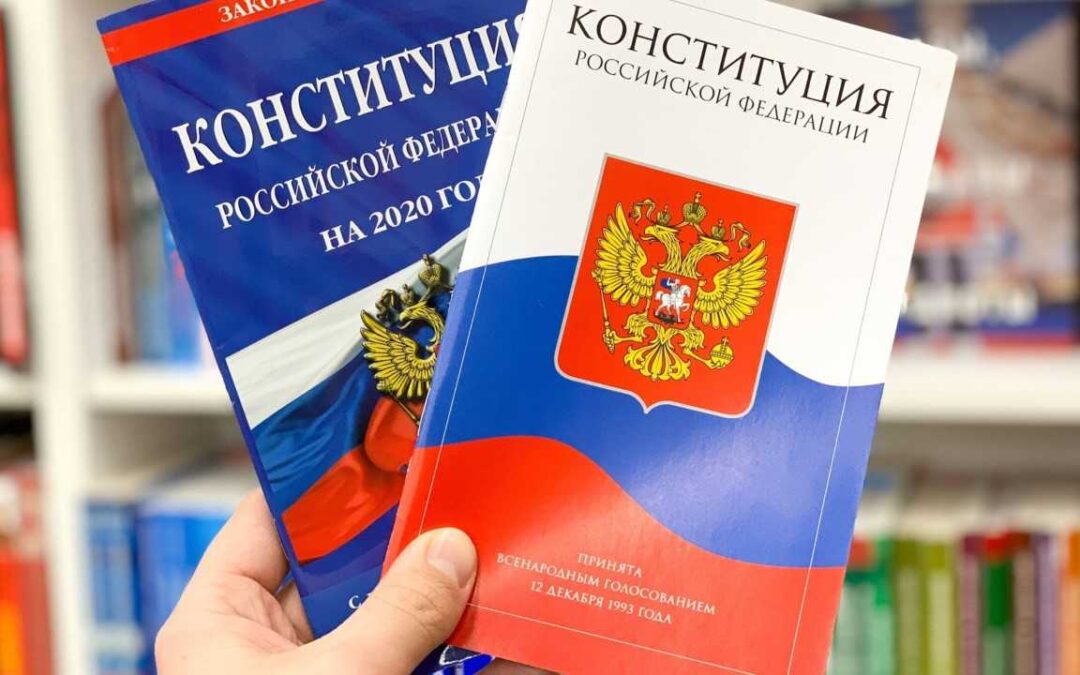
После решения российских властей о переносе даты голосования по поправкам к российской Конституции Международная комиссия юристов (МКЮ) призывает воздержаться от принятия поправок и пересмотреть те из них, которые наносят ущерб принципу верховенства закона и защите прав человека.
«Среди многочисленных поправок есть те, которые ограничивают имплементацию международного права в области прав человека и, в частности, решений международных судов по правам человека в Российской Федерации, – заявила Роушин Пиллей, директор Региональной программы МКЮ по Европе и Центральной Азии. – Другие же поправки наносят ущерб независимости российских судебных органов, так как предусматривают поправки в порядок назначения и отстранения судей».
МКЮ обращает внимание на эти вопросы в аналитической записке по отдельным поправкам к Конституции Российской Федерации, которая была опубликована сегодня.
«Мы призываем российские власти воспользоваться возможностью, которая представилась им в связи с переносом голосования, чтобы пересмотреть поправки, которые окажут пагубное воздействие на способность системы правосудия предоставлять эффективное средство правовой защиты гражданам, права человека которых были нарушены», – подытожила г-жа Пиллей.
Общие сведения
15 января 2020 г. Президент Российской Федерации объявил о решении внести более сорока поправок в текст Конституции, принятой в 1993 г. Поправки будут приняты в рамках нестандартной процедуры, предусматривающей общероссийское голосование, организованное специально для их принятия.
Поправки затрагивают широкий спектр вопросов, при этом не все из них связаны друг с другом. В частности, уменьшают роль международного права и судов, а также ослабляют независимость национальных судебных органов.
25 марта Президент Российской Федерации Владимир Путин объявил, что запланированное голосование по поправкам к Конституции переносится в связи с распространением новой коронавирусной инфекции (COVID-19).
В аналитической записке МКЮ исследуется вопрос о том, каким образом данные поправки могут противоречить международно-правовым обязательствам Российской Федерации и еще больше ограничивать независимость судебных органов. В записке рассматриваются три отдельные поправки, предложенные к Конституции 1993 г.:
- Роль международного права и решений международных судов и других механизмов (статья 125 Конституции)
- Назначение судей (статья 83 Конституции)
- Порядок назначения и отстранения судей (статьи 83, 102 и 128 Конституции).
Russia-constitution changes-Advocacy-Analysis Brief-2020-RUS