

Singapore: Court of Appeal judgment upholding caning flouts international law prohibiting ill-treatment
The ICJ today expressed its dismay that the Singapore Court of Appeal, in a judgment issued on 4 March 2015 declined to declare caning, a painful form of corporal punishment, to be unlawful.
The administration of caning violates the absolute prohibition of torture and cruel, inhuman or degrading punishment under international law.
Despite this prohibition, the Court of Appeal determined that any international legal prohibition had no effect on Singapore, since the legislature had not made it part of the country’s domestic law.
The ICJ emphasized that Singapore’s failure to prohibit caning in its own national law in no way makes caning a lawful act.
Under international law, caning remains wrong and illegal, irrespective of the country’s domestic arrangements.
The Court of Appeal also ruled that caning, administered as a form of judicially imposed punishment in Singapore, does not amount to torture.
The Court of Appeal stated that caning did not “breach the high threshold of severity and brutality that is required for it to be regarded as torture.”
The ICJ notes that the international prohibition against ill-treatment extends not only to torture, but also to cruel, inhuman and degrading treatment and punishment.
The ICJ considers that caning constitutes both types of ill-treatment.
The ruling was issued by the Singapore Court of Appeals in the case of Yong Vui Kong, a 26-year old man who appealed against his sentence of 15 strokes of the cane and life imprisonment imposed as a punishment for an offence under the Misuse of Drugs Act.
Upon his conviction in 2011, Yong Vui Kong had initially been sentenced to death.
Following changes in the law and an application for re-sentencing to the High Court, his sentence was modified in 2013 to life imprisonment and ‘15 strokes of the cane’.
In his appeal, which was dismissed by the Court of Appeal, Yong Vui Kong challenged this sentence on several grounds, including that caning constitutes torture, which is prohibited under international law.
“The Court of Appeal’s ruling is out of step with Singapore’s obligations to prevent, prohibit and punish all forms of torture and other cruel, inhuman or degrading treatment or punishment. International human rights bodies have made clear that caning and other forms of corporal punishment violate the absolute prohibition of torture and other cruel, inhuman or degrading treatment or punishment. As such it must be prohibited,” said Emerlynne Gil, International Legal Adviser for Southeast Asia of the ICJ.
Laws in Singapore that permit the imposition of corporal punishment are inconsistent with Singapore’s obligation to prohibit torture and other ill-treatment at all times and in all circumstances.
Consequently, in 2011 the UN Committee on the Rights of the Child asked Singapore to “prohibit unequivocally by law, without any further delay, all forms of corporal punishment, including caning, in all settings”.
In addition, when Singapore went under the Universal Periodic Review of its human rights record before the UN Human Rights Council in 2011, several States recommended that the authorities abolish all corporal punishment, including caning.
The ICJ also emphasizes that all forms of torture and other cruel inhuman or degrading treatment are absolutely prohibited by customary international law and international treaties binding on Singapore, including the Convention on the Rights of the Child (CRC) and the Convention on the Rights of Persons with Disabilities (CRPD).
The prohibition against torture is also a peremptory norm of international law, as recognized by numerous legal authorities and by all States in repeated UN General Assembly resolutions.
The peremptory character of the norm means that it overrides all other laws, international or domestic. The Court of Appeal dismissed any effect that the peremptory character of the prohibition might have on its administration in Singapore.
The ICJ calls on the lawmakers in Singapore to act without delay to outlaw corporal punishment.
Contact:
Emerlynne Gil, International Legal Adviser for Southeast Asia, t +66840923575 ; e emerlynne.gil(a)icj.org

La independencia del poder judicial en Guatemala bajo asedio
La CIJ urge a las autoridades a tomar las medidas para investigar y corregir esta situación.
Entre el 23 de febrero y el 4 de marzo visitaron Guatemala miembros de la Asociación de Jueces de Noruega; el Presidente del Foro Democrático de Jueces de El Salvador y la ex Presidenta de la Asociación de Jueces por la Democracia de Honduras.
Dicha visita se llevó a cabo en el marco del trabajo de la CIJ sobre el fortalecimiento del Estado de Derecho en Guatemala.
La oportunidad fue propicia para realizar reuniones y debates con miembros del Poder Judicial de Guatemala y con otros operadores de justicia.
Además se mantuvieron reuniones con el Presidente de la Corte Suprema de Justicia y otras magistradas de dicha corte; con la Fiscal General; con el Procurador de los Derechos Humanos; con el Comisionado de la Comisión Internacional contra la Impunidad; con el representante de la Oficina del Alto Comisionado de las Naciones Unidas para los Derechos Humanos, así como con otros actores relevantes de la sociedad guatemalteca, abogados y abogadas; dirigentes de Pueblos Indígenas y representantes de Organizaciones No Gubernamentales.
Al concluir su trabajo, la CIJ se encuentra alarmada por las presiones que existen en contra de jueces y juezas independientes que debido al cumplimiento de su función son frecuentemente objeto de denuncias y amenazas.
Entre las acciones que se están implementando en contra de jueces y juezas independientes, lo constituyen los traslados selectivos e injustificados que tienen como principal objetivo afectar y castigar a aquellos jueces que cumplen su función en forma independiente e imparcial.
Por otro lado, se suman denuncias infundadas en contra de los mismos, al tiempo que se configura un patrón de represión en contra de ellos, que tiene como objetivo que los jueces y juezas renuncien a su independencia judicial y “ajustar cuentas” por los casos que han juzgado.
Por otro lado, el caso relacionado con las sanciones impuestas el año 2014 en forma arbitraria por el Tribunal de Honor del Colegio de Abogados y Notarios de Guatemala en contra de la Jueza Iris Yassmín Barrios Aguilar, aún se encuentra pendiente de resolución final, sin que la Corte de Constitucionalidad de Guatemala resuelva el amparo presentado por dicha jueza.
Desde el año pasado, la CIJ expresó que dichas sanciones son arbitrarias e ilegales y que los jueces y juezas no pueden ser sancionados por un órgano como el Tribunal de Honor del Colegio de Abogados, que carece de competencia para ello; además, manifestó que de conformidad con los estándares internacionales y la legislación interna, los jueces y juezas sólo pueden ser objeto de sanciones por parte de los órganos del Poder Judicial establecidos para tal fin (Juntas de Disciplina y Supervisión General de Tribunales).
Ramón Cadena, Director de la CIJ para Centroamérica expresó: “La situación es grave y urgimos a la Corte Suprema de Justicia a suspender cualquier medida que afecte la independencia de jueces y juezas y a implementar las reformas que se necesitan para promover y proteger la independencia del poder judicial como garantía para la ciudadanía y el fortalecimiento del Estado de Derecho.”

La independencia del poder judicial en Guatemala bajo asedio
La CIJ urge a las autoridades a tomar las medidas para investigar y corregir esta situación.
Entre el 23 de febrero y el 4 de marzo visitaron Guatemala miembros de la Asociación de Jueces de Noruega; el Presidente del Foro Democrático de Jueces de El Salvador y la ex Presidenta de la Asociación de Jueces por la Democracia de Honduras.
Dicha visita se llevó a cabo en el marco del trabajo de la CIJ sobre el fortalecimiento del Estado de Derecho en Guatemala.
La oportunidad fue propicia para realizar reuniones y debates con miembros del Poder Judicial de Guatemala y con otros operadores de justicia.
Además se mantuvieron reuniones con el Presidente de la Corte Suprema de Justicia y otras magistradas de dicha corte; con la Fiscal General; con el Procurador de los Derechos Humanos; con el Comisionado de la Comisión Internacional contra la Impunidad; con el representante de la Oficina del Alto Comisionado de las Naciones Unidas para los Derechos Humanos, así como con otros actores relevantes de la sociedad guatemalteca, abogados y abogadas; dirigentes de Pueblos Indígenas y representantes de Organizaciones No Gubernamentales.
Al concluir su trabajo, la CIJ se encuentra alarmada por las presiones que existen en contra de jueces y juezas independientes que debido al cumplimiento de su función son frecuentemente objeto de denuncias y amenazas.
Entre las acciones que se están implementando en contra de jueces y juezas independientes, lo constituyen los traslados selectivos e injustificados que tienen como principal objetivo afectar y castigar a aquellos jueces que cumplen su función en forma independiente e imparcial.
Por otro lado, se suman denuncias infundadas en contra de los mismos, al tiempo que se configura un patrón de represión en contra de ellos, que tiene como objetivo que los jueces y juezas renuncien a su independencia judicial y “ajustar cuentas” por los casos que han juzgado.
Por otro lado, el caso relacionado con las sanciones impuestas el año 2014 en forma arbitraria por el Tribunal de Honor del Colegio de Abogados y Notarios de Guatemala en contra de la Jueza Iris Yassmín Barrios Aguilar, aún se encuentra pendiente de resolución final, sin que la Corte de Constitucionalidad de Guatemala resuelva el amparo presentado por dicha jueza.
Desde el año pasado, la CIJ expresó que dichas sanciones son arbitrarias e ilegales y que los jueces y juezas no pueden ser sancionados por un órgano como el Tribunal de Honor del Colegio de Abogados, que carece de competencia para ello; además, manifestó que de conformidad con los estándares internacionales y la legislación interna, los jueces y juezas sólo pueden ser objeto de sanciones por parte de los órganos del Poder Judicial establecidos para tal fin (Juntas de Disciplina y Supervisión General de Tribunales).
Ramón Cadena, Director de la CIJ para Centroamérica expresó: “La situación es grave y urgimos a la Corte Suprema de Justicia a suspender cualquier medida que afecte la independencia de jueces y juezas y a implementar las reformas que se necesitan para promover y proteger la independencia del poder judicial como garantía para la ciudadanía y el fortalecimiento del Estado de Derecho.”
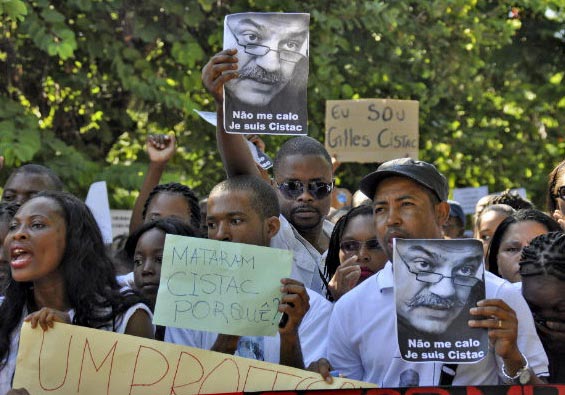
ICJ calls for the thorough investigation of the killing of Gilles Cistac in Mozambique
The ICJ calls for the prompt and thorough investigation into the killing of Gilles Cistac, a prominent academic and human rights defender.
Gilles Cistac served as a Professor of Law at the Faculty of Law, Universidade Eduardo Mondlane in Mozambique.
His death, at the hands as of yet un-indentified gunmen in Maputo, Mozambique, on Tuesday 3 March 2015, follows his involvement in the debates on the sensitive issues of decentralization of power and establishment of autonomous provinces in Mozambique.
It is also reported that he was the subject of recent attacks on social media by a person who used a pseudonym and called Gilles Cistac a spy and a traitor, and accused him, along with others, of subverting the country.
“Demonstrating its commitment to the rule of law and respect for human rights, which were central to Gilles Cistac’s work, the government must fulfill its obligation to investigate the killing of Professor Cistac, promptly and effectively, and to ensure that those responsible are brought to justice in fair proceedings,” said Arnold Tsunga the Africa Director of the ICJ.
These obligations arise as part of the government’s duty to protect the right to life including under the African Charter on Human and Peoples’ Rights and the International Covenant on Civil and Political Rights, international human rights treaties to which Mozambique is a party.
The government must also take steps to ensure protection of those, including human rights defenders, who exercise their right to freedom of expression.
Arnold Tsunga also called on the authorities in Mozambique to heed the message of the UN High Commissioner for Human Rights, Zeid Ra’ad Al Hussein, UN High Commissioner for Human Rights: “Human rights defenders are not violent seditionists, criminals, nor bloody revolutionaries, as so many governments like to portray them. They are the best of us, all of us. And they have a message. (…) Understand the message, talk to them about it, be persuaded or persuade, without violence, instead of silencing them, punishing them, their families, and their communities.”
The ICJ will continue to monitor is the investigation of this deadly attack as part work to promote enhanced respect for human rights and in defence of human rights defenders.
Contact:
Arnold Tsunga, t +27 716 405 926 ; e arnold.tsunga(a)icj.org
Recent News
 Joint Statement: Attacks on the Rule of Law, Judicial Independence and Access to Justice in Zambia17 Sep 2026
 HRC63: ICJ Raises Concern over Widespread and Systematic Arbitrary Detention in Egypt16 Sep 2026
 Myanmar: As armed conflict rages and military rule continues, critical measures can be taken towards eventual justice and accountability for victims of Enforced Disappearance10 Sep 2026
 HRC63: ICJ Raises Alarm over Repression in Tunisia and Arbitrary Detention in El Salvador09 Sep 2026