Apr 22, 2016
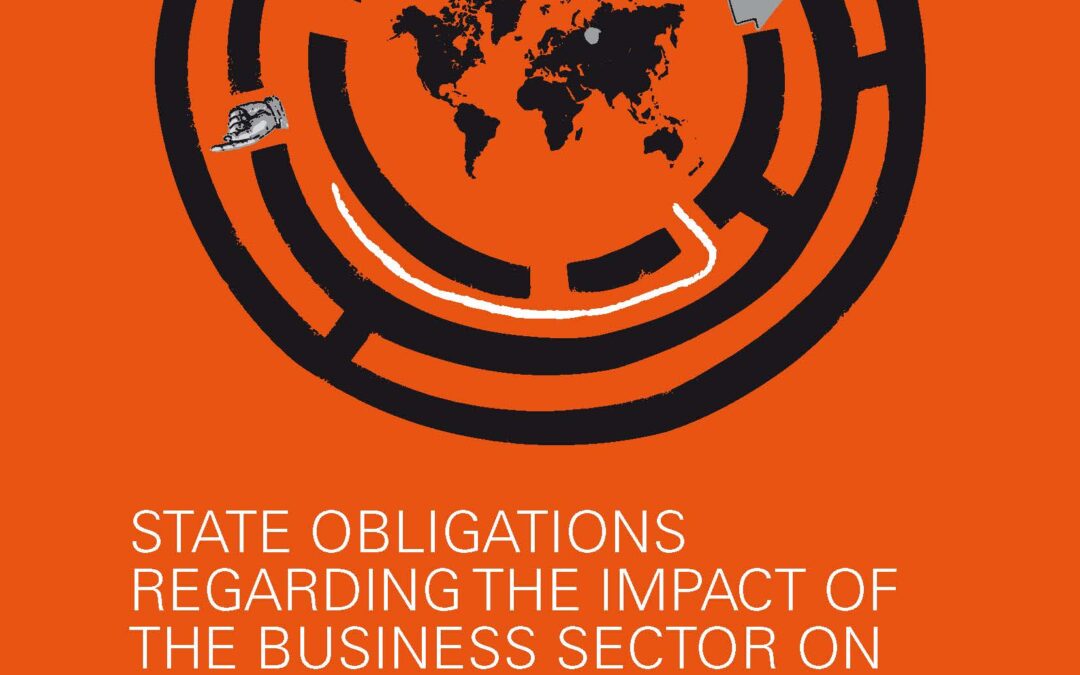
The ICJ and Child Rights (CRIN) launched today a practical guide on how to use the United Nations Committee on the Rights of the Child’s 16th General Comment to make its recommendations and guidance a reality.
The 16th General Comment focuses on State obligations regarding the impact of the business sector on children’s rights.
The guide also provides examples of how NGOs have intervened on behalf of children, as well as advice on litigation, monitoring, advocacy and activism on behalf of children.
The impact of business on children is often overlooked by many human rights advocates and while attention given to the impacts of business on human rights has increased recently, the ways in which children are affected by business operations have not yet attracted sufficient attention.
CRIN and the ICJ hope that this guide goes some way to filling this gap and will be a useful starting point for further research and discussion.
Businesses can have a huge impact on children, with the potential for violations of their rights present in virtually every industry.
There are also vast power imbalances between children and business and, often, prohibitive costs involved in litigation against companies which have violated children’s rights.
Such cases are frequently settled out of court, while in many countries children do not even have standing to bring cases on their own behalf.
Violations of children’s rights continue to take place despite States’ obligations to cooperate to achieve the realization of children’s rights beyond their territorial boundaries.
Ultimately this means that non-governmental organizations (NGOs) must work together to push for change alongside governments if children’s rights are to be respected.
Universal-Guide UN Committee on Rights of the Child-Publications-Reports-2016-ENG (full report, in PDF)
Mar 29, 2016
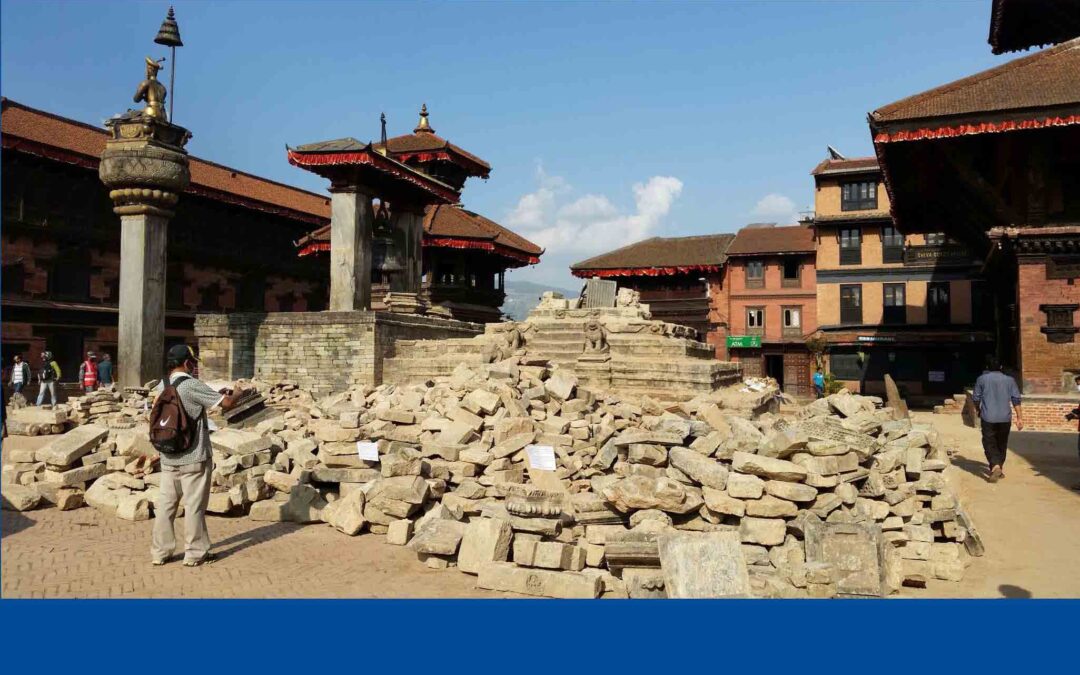
As the Government and the National Reconstruction Authority (NRA) finally begin the reconstruction phase of their response to the 2015 earthquake, they must ensure that the post-earthquake recovery moves forward in full accordance with the country’s human rights obligations.
Nepali authorities must ensure that post-earthquake assistance is based on needs alone and without discrimination on any status grounds, including descent (caste), gender, ethnicity or political affiliation, say the ICJ and and the Nepal Bar Association (NBA).
A preliminary report released today presents the results of a fact-finding study conducted in 2015 by the ICJ, in collaboration with the NBA, and focuses on three disaster-affected districts of Gorkha, Dolakha and Okhaldungha with the aim of assessing the humanitarian response in the earthquake’s immediate aftermath on the basis of international human rights law and standards.
In particular, the report notes that such assistance must be directed at protecting key economic and social rights, such as the rights to food, water, adequate housing, health, education and adequate standard of living.
“The ICJ and the NBA found that the political delays in operationalizing the NRA aggravated existing problems with marginalized groups and hampered the provision of necessary aid,” said Nikhil Narayan, the ICJ’s Senior Legal Advisor for South Asia and Head of Office in Nepal.
“Nepali authorities, particularly the newly launched NRA, must re-affirm their commitment to protecting the rights of those affected by the earthquake who have been suffering for nearly one year now,” he added.
The report aims to assist policy makers, particularly the recently operational NRA, and humanitarian actors by identifying the most immediate human rights concerns and providing recommendations to ensure the protection of the human rights of affected populations.
Among its main findings, the report raises concerns that:
- The Nepal Government’s undue delay in formulating a comprehensive long term policy plan for resettlement, livelihood and other assistance for those displaced has severely infringed victims’ right to adequate housing;
- The undue delay for political reasons in the establishment of a central coordinating body such as the NRA, and the failure to provide adequate guidance to local authorities in the meantime, exacerbated the other infringements of rights by stalling the relief and reconstruction process;
- The loss of documentation and the burdensome process to reacquire necessary documentation, including EVIC cards, other personal identity records and land and property ownership records, greatly impacted victims’ access to humanitarian assistance to fulfill at least the minimum essential levels of their economic and social rights and the right to recognition before the law;
- Many of the most vulnerable victims were not provided adequate information by authorities on the assistance to which they were entitled, or the process by which they could access these entitlements;
- The lack of a participatory or transparent consultative process in the design and implementation of relief programs, and a lack of awareness of available complaints mechanisms, denied many victims access to needs-appropriate relief and to redress for their grievances;
- While further in-depth field research is necessary, anecdotal information suggested that discrimination based on political affiliation, caste and gender persisted in some degree in the humanitarian relief process.
Among its key recommendations, the report observes that:
- The Government of Nepal should ensure that the NRA is provided adequate resources to fulfill its mandate promptly, independently, impartially and with full consideration for Nepal’s national and international human rights obligations;
- Nepali authorities (both the Government and the NRA) should ensure that the resettlement and reconstruction process is carried out transparently and uniformly based on need alone, in a participatory and consultative manner, and in conformity with principles of equal protection and non-discrimination;
- Nepali authorities should take special measures where necessary to ensure that women and marginalized and disadvantaged groups have equal access to assistance, including easing the procedural obstacles to obtain assistance due to lost documentation;
- Nepali authorities should ensure that an independent and impartial mechanism is available to promptly, effectively and transparently investigate complaints of discrimination, abuse of authority or corruption in both the prior phase of relief as well as the next phase of reconstruction, and that those persons found responsible are held accountable.
The NRA formally launched its operations on 16 January 2016, and is now preparing to distribute the first installment of housing reconstruction grants for displaced persons in Dolakha in coming weeks.
“Nepali authorities had a monumental challenge to respond urgently to the devastating human and physical toll caused by the April 2015 earthquake, even as they too were suffering the same trauma as the rest of the population,” said Sunil Pokharel, the NBA’s Secretary General.
“At the same time, safeguarding the human rights of victims is especially critical in times of disaster, and the State has a duty to ensure that human rights are fully integrated in post-disaster humanitarian assistance from the outset and at all phases,” he added.
Nepal-Earthquake Disaster response-Publications-Reports-2016-ENG (full report in PDF)
Mar 21, 2016
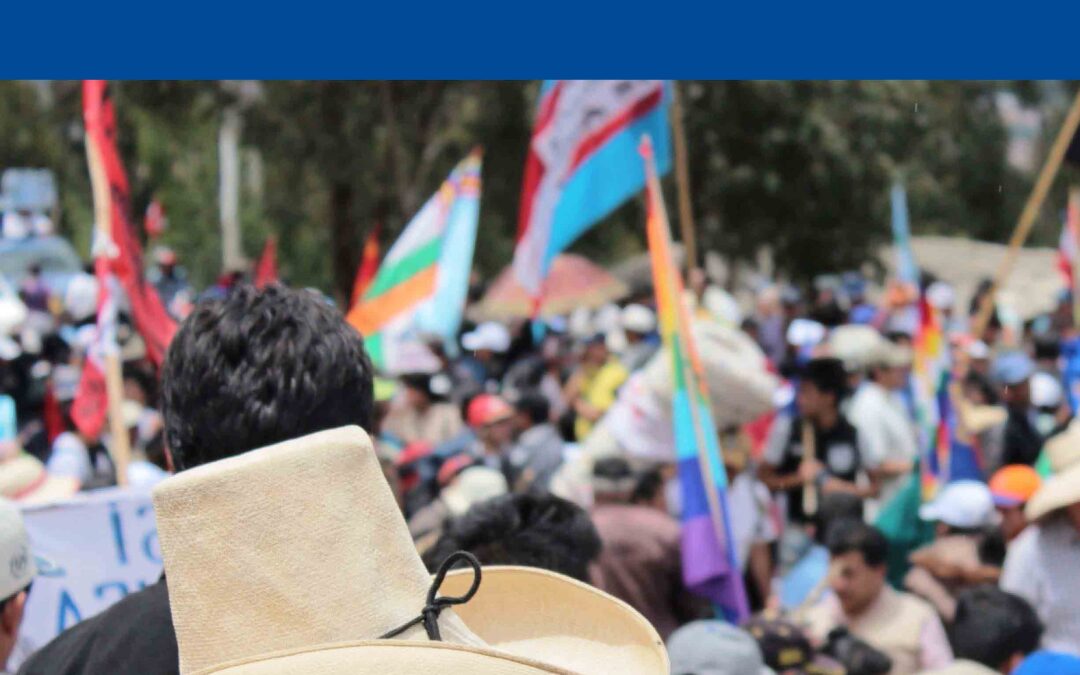
Hoy, la CIJ lanza su informe de misión sobre el impacto de las industrias extractivas en la vulneración de los derechos económicos, sociales y culturales de la población y en la exacerbación de los conflictos sociales en Perú.
El informe analiza las amenazas y violaciones a los derechos económicos, sociales y culturales, generadas durante la planificación, la exploración y la explotación de recursos extractivos.
Asimismo, el informe da cuenta de la respuesta estatal a las demandas de las comunidades frente a las exacciones y los abusos de los proyectos y actividades de las industrias extractivas.
Finalmente, el informe formula recomendaciones al Estado Peruano para garantizar los derechos humanos, la protección del medio ambiente y poner fin a los abusos y exacciones cometidas contra las comunidades.
La Misión de observación visitó al Perú en el curso del mes de noviembre de 2015 población y estuvo integrada por María Clara Galvis (Colombia), Rafael Uzcátegui (Venezuela) y Sandra Ratjen, Consejera jurídica principal responsable del Programa de Derechos Económicos, Sociales y Culturales de la CIJ.
Peru-DESC extractives-Publications-Reports-Facts Finding Mission Report-2016-SPA (full report, in PDF, Spanish)
On Video: testimonials

Feb 20, 2016
Hoy, la CIJ hace público su estudio sobre los vacíos e incompatibilidades del sistema jurídico e institucional colombiano respecto de las disposiciones de la Convención internacional para la protección de todas las personas contra las desapariciones forzadas.
Asimismo, el estudio identifica las medidas y los correctivos necesarios para adecuar el ordenamiento interno a las disposiciones y obligaciones establecidas en la Convención. Así, la CIJ pretende contribuir a una correcta implementación en el orden nacional colombiano de la Convención.
En julio de 2012, el Estado colombiano ratificó la Convención y, en diciembre 2014, presentó su informe sobre la implementación de este tratado para su examen por el Comité contra las Desapariciones Forzadas. Según la programación del Comité, el informe será examinado en septiembre de 2016.
Colombia-CIJ EstudioVacíosDesapForz-Publications-Thematic report-2016-SPA (full report, in PDF)
Feb 19, 2016
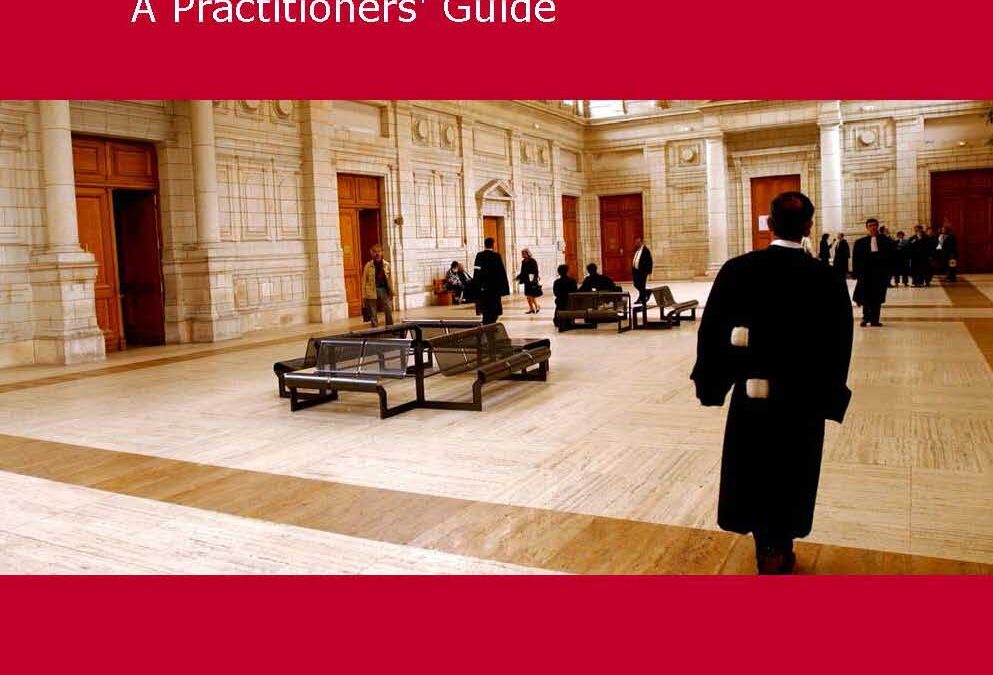
Today, the ICJ publishes Refugee Status Claims Based on Sexual Orientation and Gender Identity – A Practitioners’ Guide.
The organization has decided to publish this guide for two main reasons.
First, persecution of individuals motivated in whole or in part by ignorance of, prejudice and hatred against their real or imputed sexual orientation and/or gender identity (SOGI) is rife in all regions of the world, with serious and widespread human rights abuses being perpetrated too often with complete impunity.
Therefore, claims to refugee status under the Refugee Convention for reasons of real or imputed SOGI are unfortunately likely to increase in all regions, given that around the world, lesbian, gay, bisexual, transgender and intersex individuals continue to be targeted for egregious human rights abuses, paradoxically, in part, because they have become more visible by asserting their existence, rights and agency outside the relative safety of “the closet”.
Secondly, while persecution for reasons of real or imputed SOGI is not a new phenomenon, in many asylum countries there is a greater awareness that people fleeing persecution for those reasons are entitled to be recognized as refugees under the Refugee Convention.
Nonetheless, this is an area of the law of refugee status where the application of the refugee definition remains inconsistent, as it is complex and fraught with both substantive and procedural challenges.
The ICJ’s latest practitioners’ guide describes both in general and specific terms each element of the refugee definition under the Refugee Convention that is critical to understanding and doing justice to claims based on SOGI.
After discussing how to establish refugee claimants’ credibility with respect to SOGI, the structure of the practitioners’ guide follows the relevant elements of the refugee definition in Article 1A(2) of the Refugee Convention, namely: well-founded fear; persecution; for reasons of; membership of a particular social group; and failure of State protection.
The guide also addresses the concepts of internal flight/relocation alternative and sur place refugee claims, which, while not expressly mentioned in the Refugee Convention, are increasingly critical to refugee claims for reasons of SOGI.
The practitioners’ guide is intended to provide both legal and practical interpretative guidance on those types of refugee claims to:
- legal practitioners representing individuals;
- others who assist refugee claimants, whether in a professional or voluntary capacity, including members of non-governmental organizations;
- decision-makers within refugee status determination authorities and members of the judiciary presiding over claims to refugee status;
- officials within government departments issuing asylum policy guidance and instructions;
- UNHCR officials both within the Division of International Protection and those who carry out refugee status determination under the agency’s Statute; and
- refugee claimants themselves.
The ICJ’s aspiration and ultimate aim in producing this practitioners’ guide is to provide enduring legal and practical advice on the interpretation of the refugee definition under the Refugee Convention in respect of claims to refugee status based on SOGI notwithstanding the fact that this is an area where the law of refugee status is particularly fast-moving and is constantly evolving.
Finally, the ICJ hopes that this practitioners’ guide will assist in ensuring that people entitled to international protection for reasons of real or imputed SOGI be recognized as refugees under the Convention.
universal-pg-11-asylum-claims-sogi-publications-practitioners-guide-series-2016-eng (full book in PDF)