
Apr 14, 2015 | Адвокаси, Юридические заявления
МКЮ опубликовала свои комментарии и рекомендации по проекту Федерального закона № 314591-6.
В настоящем документе представлены комментарии МКЮ по проекту Федерального закона«О внесении изменений в Закон Российской Федерации «О статусе судей в Российской Федерации», Федеральный закон «Об органах судейского сообщества в Российской Федерации» и Гражданский процессуальный кодекс Российской Федерации».
МКЮ считатет, что Законопроект предусматривает возможность устранения ряда недостатков системы отбора, при условии, что будут приняты во внимание системные изъяны процедуры проведения квалификационного экзамена.
Тем не менее, МКЮ считает, что в своем нынешнем виде Законопроект не может разрешить существующие проблемы.
МКЮ приводит рекомендации относительно дополнительных мер, которые касаются ограниченного круга вопросов, затронутых в Законопроекте.
Более подробные рекомендации относительно иных аспектов назначения судей содержатся в Докладе МКЮ 2014 года.
Russia-Comment on Draft Federal Law No 3145591-Advocacy-Legal submission-2015-RUS (полный русский текст, PDF)

Apr 14, 2015
The ICJ has published its comments and recommendations regarding the Draft Federal Law № 314591-6.
This Draft Federal Law is “On introduction of amendments to the Law of the Russian Federation on the Status of Judges in the Russian Federation, the Federal Law on the bodies of judicial community in the Russian Federation and the Civil Procedure Code of the Russian Federation”.
It said that while the Draft Law provides an opportunity to address some of the shortcomings of the selection system, provided that it takes account of the systemic defects from which the judicial examination process suffers.
However, the Draft Law in its current form falls short of addressing the existing problems.
The ICJ made recommendations for additional measures to be included in the Draft Law.
More detailed recommendations on other aspects of judicial appointment are included in the 2014 ICJ report.
Russia-Comment on Draft Federal Law No 3145591-Advocacy-Legal submission-2015-ENG (full text in PDF, English version)
Russia-Comment on Draft Federal Law No 3145591-Advocacy-Legal submission-2015-RUS (full text in PDF, Russian version)

Apr 9, 2015 | News
Among the victims of a gun attack today at the Palace of Justice of Milan, according to press reports, were Judge Fernando Ciampi and lawyer Lorenzo Alberto Claris Appiani.
Press reports state that the person who opened fire in the Palace of Justice of Milan, killing three persons and injuring several others, was a defendant in a case.
The ICJ calls on relevant authorities immediately to launch a thorough inquiry into the system of security at the Palace of Justice, for judges, lawyers, and prosecutors, as well as witnesses and parties to cases, employees, and others present in the buildings.
The ICJ recalls that the State has a duty under international law to ensure protection for members of the judiciary and others who may be at risk of such attacks.
Apr 8, 2015
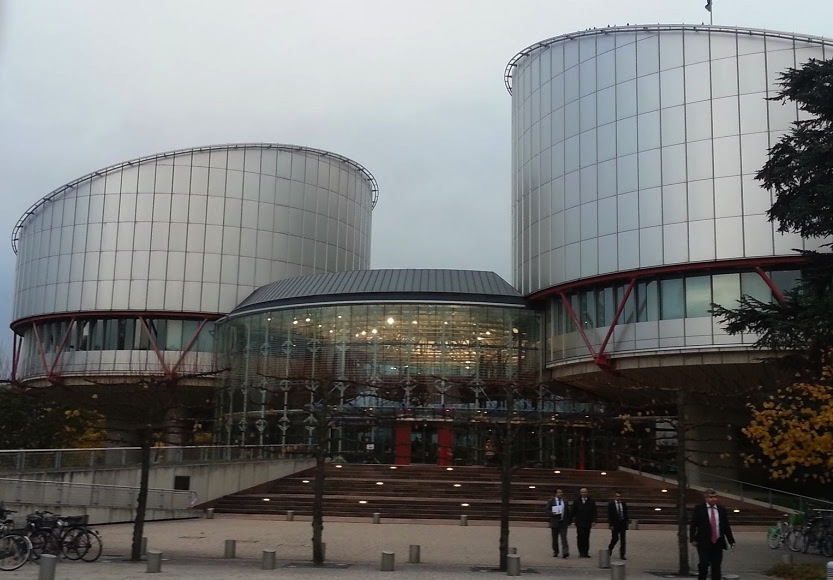
The ICJ submitted today a third party intervention before the European Court of Human Rights in the case of Baka v. Hungary, regarding the dismissal of the former Supreme Court President of Hungary.
In these submissions, the ICJ addressed:
(1) the scope of application of article 6.1 ECHR in cases relating to judicial appointments, the judicial career, and security of tenure including removal from office, in light of the Convention jurisprudence and of principles of the rule of law and of the role and independence of the judiciary;
(2) international standards on security of judicial tenure, freedom of expression of judges, and the role of judges in contributing to debate on questions of judicial independence, which are relevant to protection of article 10 ECHR rights of judges.
The ICJ argued in its third party intervention that the special and fundamental role of the judiciary as an independent branch of State power, in accordance with principles of the separation of powers and the rule of law, is recognised within the ECHR, both explicitly and implicitly.
This special role must accordingly be given significant weight in assessing any restrictions imposed by the executive (and legislative) branches on Convention rights applicable to judges.
Therefore, in order to preserve the special role of the judiciary the ECHR should be interpreted in a manner that limits the scope for the executive- or legislative branch to justify the imposition of restrictions on article 6.1 ECHR rights of judges in employment disputes on grounds of legitimate interest.
Second, for the same reasons, the ECHR should be interpreted to preclude restrictions of freedom of expression applicable to judges and civil servants that would impair the right and the duty of the judiciary to speak out in protection of judicial independence.
ECtHR-AmicusBrief-Baka v Hungary-Advocacy-Legal Submission-2015-ENG (download the third party intervention)
Apr 8, 2015
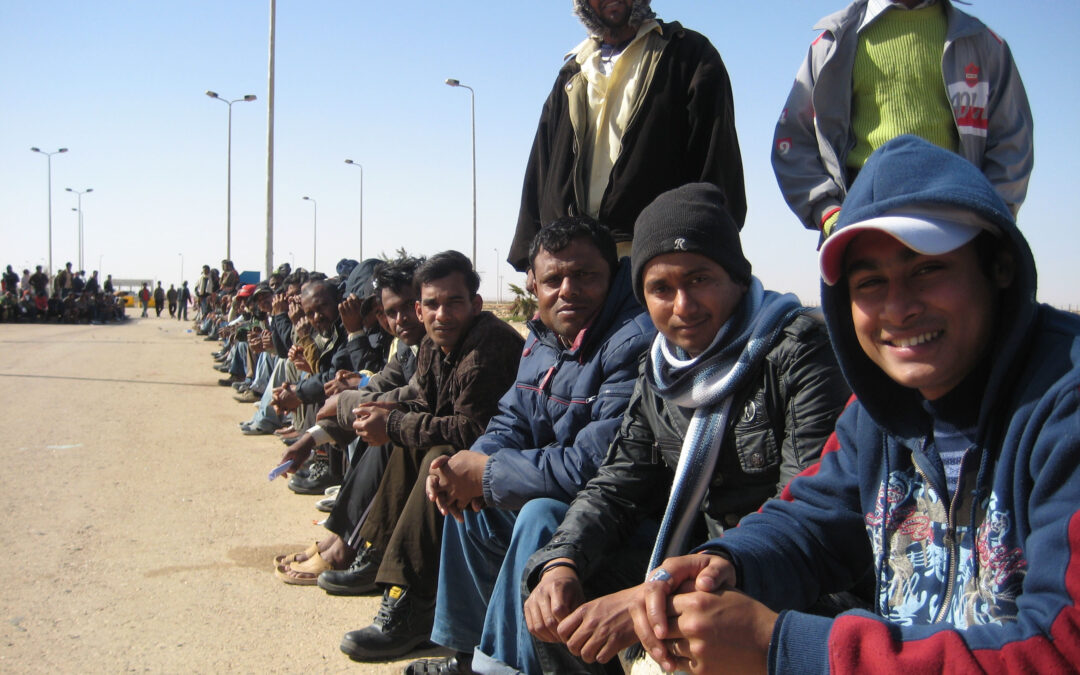
The ICJ made a submission to the EU Ombudsman on the compliance of the Code of Conduct on Joint Return Operations of Frontex with international human rights law.
The submission was presented in the context of European Ombudsman’s own initiative inquiry concerning the means through which Frontex ensures respect for fundamental rights in joint return operations.
The ICJ concluded that the Code of Conduct for Joint Return Operations Coordinated by Frontex, while a considerable improvement on the previous absence of regulation, does not fully reflect Frontex’s duties in the field of joint return cooperation, organization and execution.
In particular, the ICJ stressed that the standards of the Code of Conduct on the use of force, coercive measures, training and identification do not fully reflect Member States and EU institutions, agencies and bodies obligations under international and EU law.
Finally, the ICJ found that a primary weakness of the Code of Conduct is the lack of proper standards, guarantees and guidelines in relation to the returnee’s right to an effective remedy and reparation, as enshrined in article 47 EU Charter, article 13 ECHR and article 2.3 ICCPR.
Disclaimer: the ICJ is a member of Frontex Consultative Forum on Fundamental Rights. This submission is not sent in the ICJ’s capacity as a member of the Consultative Forum and does not necessarily represent the views of the Forum.
EU-JointReturnsInquiry-ICJSubmission-2015-ENG (download the submission)