Jun 27, 2016 | Advocacy, Non-legal submissions
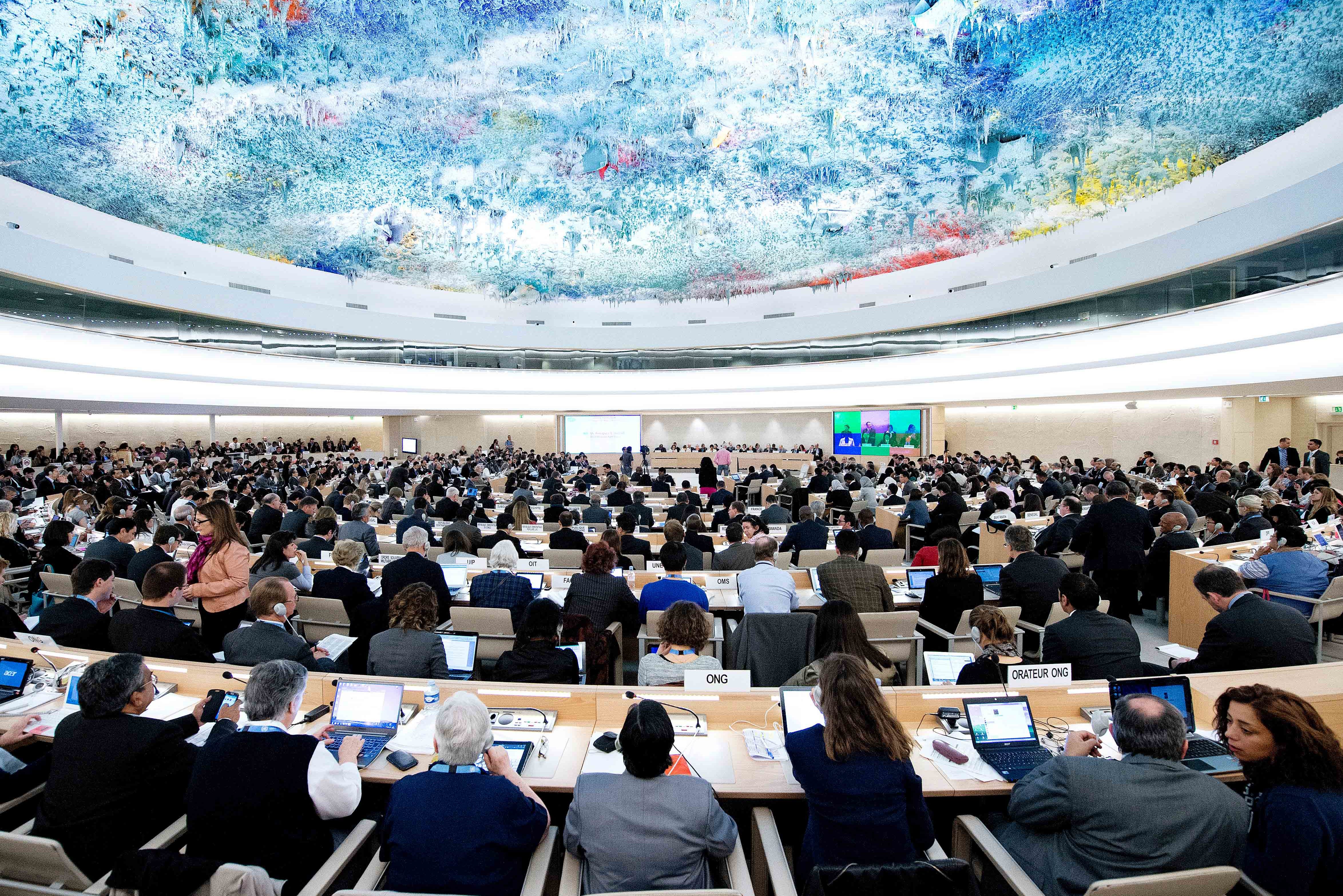
The ICJ today joined 567 other organisations, from 142 countries, in a statement to the UN Human Rights Council calling on the Council to create an Independent UN Expert to address discrimination and violence against persons based on sexual orientation and gender identity.
The statement can be downloaded in full here: HRC32-OralStatement-Item8-SOGI-2016-ENG

Jun 23, 2016 | Events
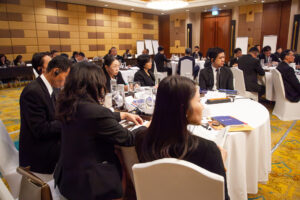
Side-event to the 32nd regular session of the Human Rights Council
24 June 2016, from 13:30 to 15:00 hrs
Room IX, Palais des Nations, Geneva
Accountability and remedy for business-related human rights abuse have been key advocacy objectives for many human rights organizations over the years.
Accountability and remedy have been identified as being some of the most salient normative and governance gaps in business and human rights. States and international organizations are now taking some action in response to those gaps and are considering initiatives and ways to tackle accountability and remedy deficits.
The Human Rights Council is currently engaged in a treaty-making process through an Intergovernmental Working Group, and it is considering a report by OHCHR on Accountability and Remedy during its 32nd session. Just one week prior, the International Labour Conference carried out crucial deliberations about ways to address those governance gaps and promote decent work in the global supply chain and to deter abuse.
This panel will look at these issues from the perspective of civil society and practitioners’ work, drawing from concrete experiences, recent achievements in the field and ongoing concerns.
Introduction:
- Surya Deva, UN Working Group on Business and Human Rights
Panel:
- Gabriela Kletzel – CELS
- Richard Meeran – Leigh Day
- Anna Biondi – ILO
- Gaëlle Dusepulchre- FIDH
- Moderator : Carlos López – ICJ
From the groundbreaking work to investigate and prosecute serious abuse against workers during the Argentinian military regime to the forward looking work of litigators of cases concerning parent and subsidiary companies’ responsibilities, exploring the new paths being broken in the recent International Labour Conference’s decisions on decent work on supply chains and the UN IGWG on transnational corporations and other business enterprises with respect to human rights, this panel will discuss ways in which these initiatives may address the crucial issues of accountability and remedy looking at past and present achievements and plans for the future.
The event flyer may be downloaded (PDF) here: Past abuses and remaining challenges_flyer_side event_HRC32
The event is organized by ICJ, Franciscans International, FIDH and CELS.
Jun 22, 2016 | Advocacy
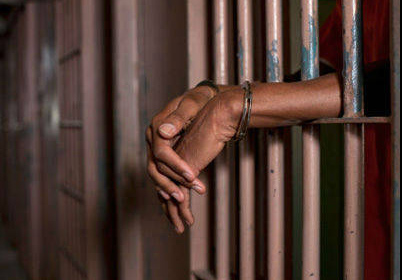
The ICJ and other human rights groups issued a joint statement on the 10th anniversary of the Optional Protocol to the Convention against Torture.
It can be downloaded here: Universal-OPCAT+10 Joint Statement-Advocacy-2016-ENG (full text in PDF)

Jun 17, 2016 | Advocacy, Non-legal submissions
The ICJ today delivered an oral statement on human rights and state-owned enterprises, as well as the right to a remedy and reparation for human rights abuses caused by businesses.
The statement was made to the UN Human Rights Council and can be downloaded here in PDF: HRC32-OralStatement-WGBHR-2016
Jun 16, 2016 | Advocacy, Non-legal submissions
The ICJ today joined a statement delivered by the International Bar Association on indicators of independence of justice systems.The statement came during the interactive dialogue with the UN Special Rapporteur on the Independence of Judges and Lawyers.
It read as follows:
As international organisations of legal professionals, we endorse the recommendation made by the Special Rapporteur to develop a set of international indicators to assess the independence of justice systems.
The Special Rapporteur has previously stated: ‘No ideal justice system exists; rather, there are universal principles that must be respected in the structure and functioning of any judicial system, so that it can duly fulfil its purpose’. (Report of the Special Rapporteur on the independence of judges and lawyers, (2014) UN Doc A/69/294, para 92.)
Achieving Sustainable Development Goal 16 – that is, providing access to justice for all and building effective, accountable and inclusive institutions – will require respect for the universal principles of independence and impartiality of justice systems and the independence of the legal profession.
In 2015, the International Bar Association (IBA) and the International Commission of Jurists (ICJ) proposed two indicators under SDG16, regarding the independence of the judiciary and an independent and self-governing legal profession. The IBA is currently developing ‘indicia of independence’ that can be used to assess the state of independence of the legal profession in a given jurisdiction. The Commonwealth Lawyers Association (CLA) and the Commonwealth Magistrates’ and Judges’ Association (CMJA) continue to monitor judicial and legal independence through the Commonwealth Latimer House Working Group.
We therefore, Madam Special Rapporteur, fully support your endeavour to develop universal indicators that complete the UN Rule of Law Indicators, and build on the UN Basic Principles on the Independence of the Judiciary, the Basic Principles on the Role of Lawyers, and the Guidelines on the Role of Prosecutors.
We further call upon States to ensure that national targets and indicators duly align with international indicators and international principles.
Thank you, Mr President
The following organisations endorsed the statement:
- Avocats Sans Frontières -Suisse
- Commonwealth Magistrates’ and Judges’ Association
- Commonwealth Lawyers Association
- International Bar Association’s Human Rights Institute
- International Commission of Jurists
- Judges for Judges
- Lawyers for Lawyers
- Southern Africa Litigation Centre
The statement can be downloaded in PDF format here: HRC 32- Joint Oral Statement Item 3 SR IJL_FINAL