Apr 14, 2013 | News
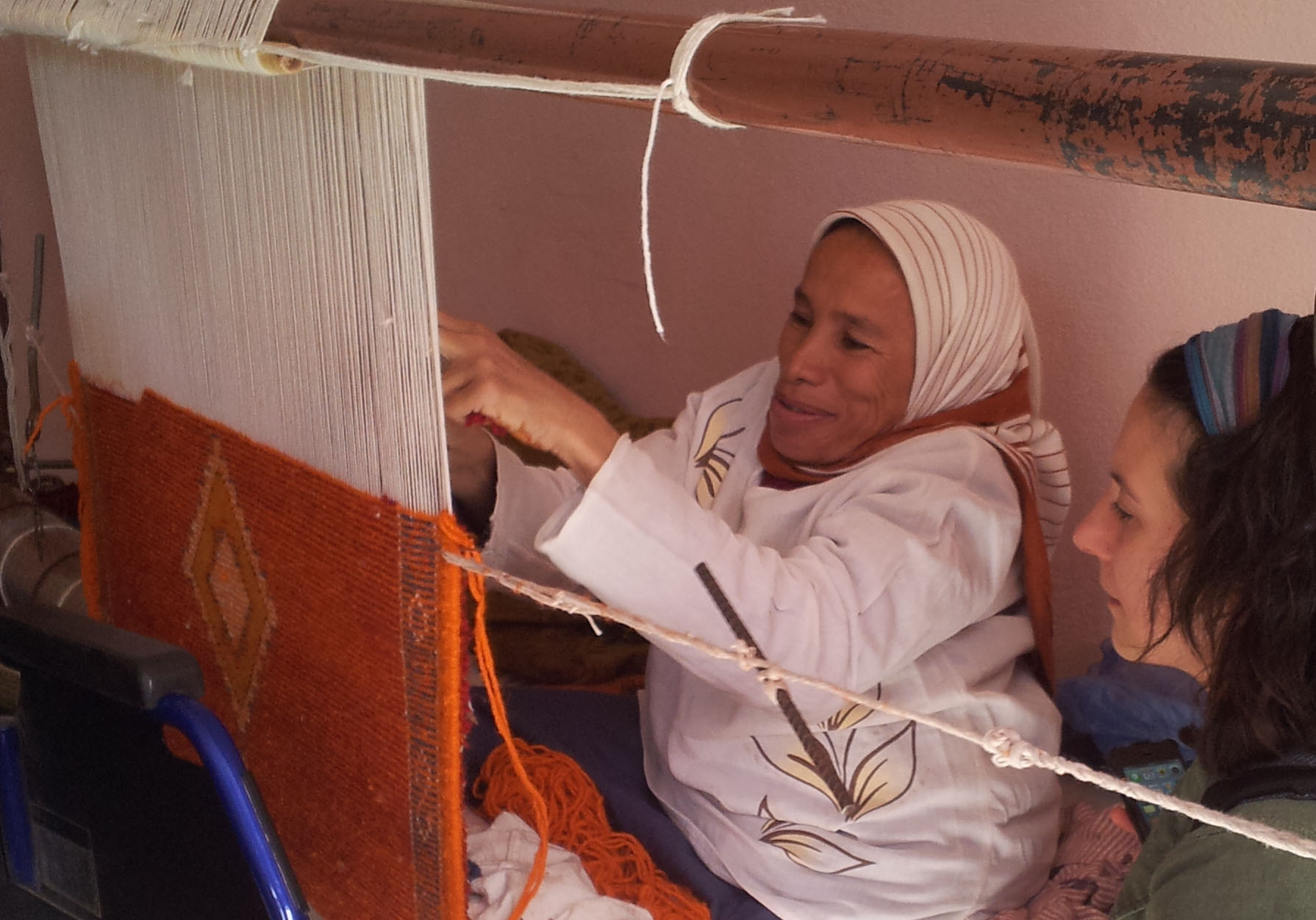 Du 7 au 13 avril 2013, la CIJ a organisé une mission de recherche sur l’accès à la justice pour les victimes de violations des DESC au Maroc.
Durant la mission, organisée par le Programme sur les droits économiques, sociaux et culturels en collaboration avec le Programme régional Afrique du Nord et Moyen Orient, la CIJ s’est entretenue avec un large éventail d’acteurs impliqués dans la protection des droits économiques, sociaux et culturels, notamment les Présidents des Chambres administrative, civile et sociale de la Cour de Cassation du Royaume du Maroc ; des membres du Conseil National des Droits de l’Homme ; des représentants de syndicats de travailleurs dont l’Union Marocaine du Travail (UMT) et la Confédération Démocratique du Travail (CDT), ainsi que des associations de protection des consommateurs telles que la Fédération Nationale des Associations du Consommateur (FNAC), la section UNICONSO de Casablanca ainsi que l’Association Marocaine de Protection et d’Orientation du Consommateur (AMPOC) à Kenitra.
La CIJ a également rencontré des représentants de la société civile marocaine, y compris l’Union d’Action Féminine (UDF) et l’Association Démocratique des Femmes du Maroc (ADFM) ainsi que des victimes de violations des DESC.
Les entretiens menés durant la mission ont permis d’identifier les avancées mais aussi un nombre d’obstacles tant juridiques que pratiques empêchant un accès efficace à la justice pour les victimes de violations des DESC ainsi que les causes profondes de ces violations.
Les personnes rencontrées ont principalement insisté sur le fait que malgré qu’une nouvelle Constitution progressiste ainsi que de nouvelles lois respectueuses des droits de l’homme aient été adoptées ces dernières années, leur application demeure problématique.
Cette mission a permis de récolter de nombreuses informations qui complèteront celles déjà compilées depuis juillet 2012 par le biais de recherche documentaires et ateliers, et permettront de publier un rapport sur l’accès à la justice pour les violations des DESC au Maroc, qui sera publié au courant de l’année 2013.
Contexte de la mission
Dans le cadre de projets nationaux tels que celui sur le Maroc, le Programme sur les droits économiques, sociaux et culturels de la CIJ vise à contribuer à l’amélioration de la responsabilité pour les violations de droits de l’homme et l’accès à la justice pour tous, notamment les victimes de violations et de menaces à l’encontre des droits économiques, sociaux et culturels.
La CIJ a démarré un processus de recherches au niveau national afin d’identifier les obstacles et les possibilités pour l’accès à la justice, ainsi qu’un processus de consultations et de collaborations avec ses partenaires locaux afin de déterminer des stratégies pouvant remédier aux manquements identifiés.
Selon les besoins identifiés, la CIJ appuiera la mise en œuvre de recommandations et interviendra à travers des actions telles des formations et des contributions juridiques.

Mar 19, 2013 | Advocacy, Non-legal submissions
The ICJ today welcomed the recent deposit of the tenth instrument of ratification to the Optional Protocol to the International Covenant on Economic, Social and Cultural Rights (ICESCR).
Noting that the entry into force of the Optional Protocol (OP) on 5 May 2013 will mark an historic boost to the international protection of economic, social and cultural rights, the ICJ called on the Human Rights Council and its members to become party to the OP and other individual communications procedures of the treaty bodies.
The ICJ’s statement was made during the General Debate under Item 8 of the Human Rights Council’s agenda (follow-up and implementation of the Vienna Declaration and Programme of Action) during the 22nd regular session of the Council (25 February to 22 March 2013).
HRC22-Item8GD-OPICESCR-NonLegalSubmission-2013 (download full statement in ODF)

Mar 5, 2013 | Advocacy, Legal submissions, Non-legal submissions
The ICJ today requested the UN Special Rapporteur on the situation of human rights defenders to call on Zimbabwe, Angola, the Democratic Republic of Congo and Swaziland to take effective measures to prevent and end attacks on and persecution of human rights defenders.
The ICJ delivered its oral statement today during an interactive dialogue with the Special Rapporteur as part of the Human Rights Council’s 22nd regular session (25 February to 22 March 2013).
The ICJ also noted the need for these States to:
- Ensure adherence to international standards on detention and fair trial in cases where human rights defenders have been arrested;
- Conduct prompt and impartial investigations and, where human rights abuses are criminal in character, prosecute all persons responsible; and
- Ensure that affected human rights defenders have access to effective remedies and reparation for such abuses.
Also addressed to the Special Rapporteur on the situation of human rights defenders was a written statement submitted earlier this month concerning legislative restrictions on ‘homosexual propaganda’ that threaten LGBT human rights defenders.
SouthernAfrica-HRC22-IDItem3-SRHRDs-Non-LegalSubmission-2013 (download oral statement in PDF)
For the written statement click here
Nov 22, 2012 | News
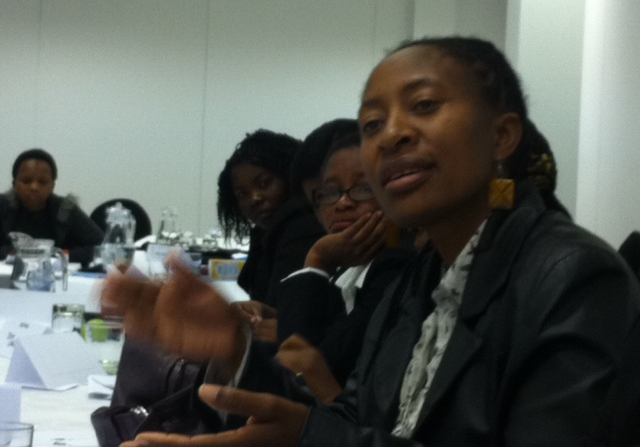
The ICJ, Metlhaetsile and Friedrich-Ebert-Stiftung (FES) held a multi-stakeholder roundtable dialogue on women’s access to justice in Gaborone, Botswana from 20-21 November 2012.
The event, which is a key step in an ongoing ICJ initiative on women’s access to justice in Botswana, brought together a group of experts to discuss and review a draft ICJ/Metlhaetsile/FES report on the obstacles to justice women continue to face in Botswana.
Participants included attorneys, representatives of NGOs and government agencies, human rights defenders, and members of the judiciary.
The forthcoming report will capture and explore the accounts of barriers received from stakeholders accross Botswana through field research during 2011-2012.
It will include information on the relationship between the gaps in the realization of economic and social rights and the obstacles faced by women to access justice.
It will also identify a series of responsive recommendations elaborated by roundtable participants.
Sep 29, 2012 | News
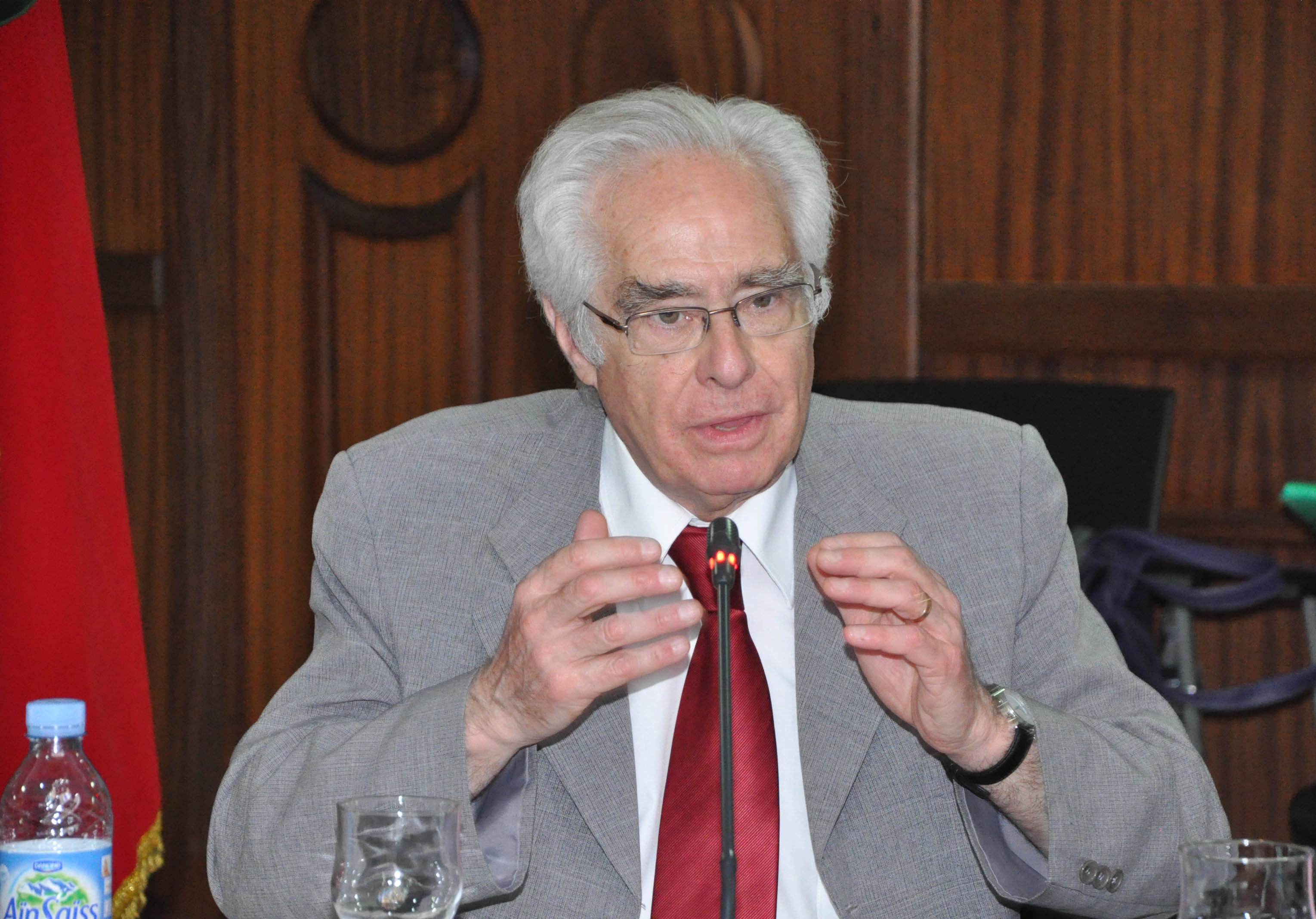 During three days, from September 26 to 28, 2012 in Rabat, the ICJ ESCR Programme and the MENA Regional Programme organized two events in collaboration with the OMDH (Organisation Marocaine des Droits Humains).
ICJ Commissioner Mr. Roberto Garreton supported the three-day programme. The first two days were dedicated to a workshop gathering 30 representatives of human rights NGOs, service providers, consumer protection groups, lawyers and academic experts.
The participants were trained and had discussions on the opportunities, the challenges and the remedies that the Moroccan legal and institutional framework offers to individuals and groups seeking justice for violations.
Discussions also concerned the legal reforms undertaken in the country and how they will impact the ability for victims of human rights violations to access justice.
The participants particularly welcomed the workshop setting and focus that brought together a variety of groups working in relevant areas.
On the third day, 28 September 2012, a symposium attended by civil society actors, lawyers and academia as well as by members of the judiciary and of the Conseil National des Droits de l’Homme was the opportunity to discuss the role of judges in the realization of economic, social and cultural rights.
The two events are part of a project that will involve further research and consultation on access to justice for ESCR in close collaboration with national civil society.
Background of the Workshop
With national projects such as the one in El Salvador, the ICJ programme on Economic, Social and Cultural Rights aims at contributing to improve accountability for human rights violations and access to justice for all, including for victims of threats against and violations of economic, social and cultural rights.
The ICJ has embarked on research processes at national level to identify obstacles and opportunities for access to justice, as well as on consultation and collaboration processes with national allies to define strategies to address gaps.
Depending on the needs identified, the ICJ will support the implementation of recommendations and steps that includes trainings and legal interventions.