Sep 23, 2019 | Advocacy, Non-legal submissions
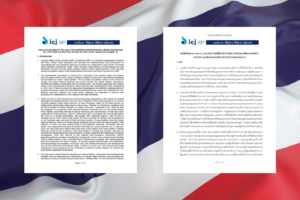
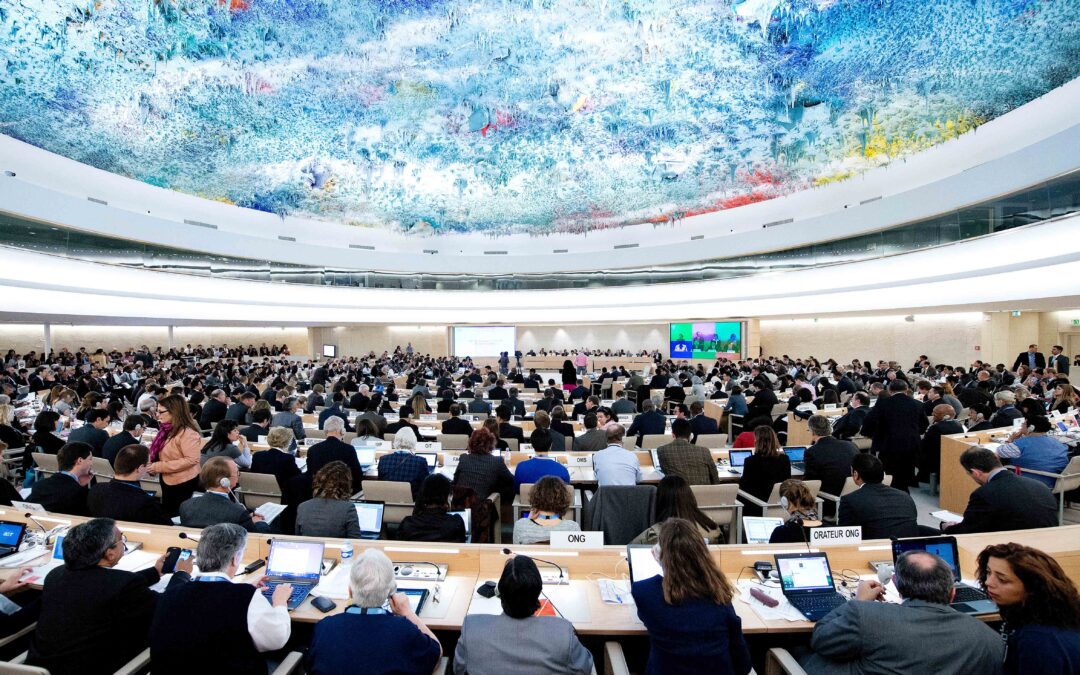
The ICJ today drew the attention of the UN Human Rights Council in Geneva, to the Bangkok General Guidance for Judges on Applying a Gender Perspective, in the context of a discussion of “Gender-responsive initiatives to accelerate gender equality”.
The oral statement read as follows:
“International Commission of Jurists (ICJ) welcomes this opportunity to share information on our ongoing work with women judges in many parts of the world, supporting them and their male colleagues to better ensure women’s access to justice and gender equality.
As part of these efforts, facilitated by the ICJ and UN Women, in 2016 judges from the Philippines, Indonesia, Thailand, and Timor Leste developed and adopted The Bangkok General Guidance for Judges on Applying a Gender Perspective.
Among many other provisions, the Guidance urges States to achieve gender parity in appointments to the bench.
The Guidance provides that: “Gender equality should be a principle that guides judicial appointments. Women and men must be equally represented on the bench as they bring a diversity of perspectives, approaches and life experiences to adjudication, which influence the interpretation and application of laws.”
It further recommends that “[i]f necessary, temporary affirmative measures – like quotas which should be consistent with requirements of integrity and high competency – should be implemented in order to assure that women are adequately represented in the judiciary” and that “[e]valuation panels for the appointment and promotion of judges should be composed of men and women.”
The Guidance builds on global standards such as the Universal Declaration of Human Rights’ provisions on equality, non-discrimination, and equal access to public service; article 10 of the UN Basic Principles on the Independence of the Judiciary, on non-discrimination in judicial selection processes; and related articles of the International Covenant on Civil and Political Rights (ICCPR) and Convention on the Elimination of Discrimination against Women (CEDAW).
We hope the Bangkok Guidance will be a useful reference both in considering how to improve gender parity within the Council’s mechanisms, and as a resource for the Council and its mechanisms to cite in their analysis and recommendations to governments and other stakeholders, on improving access to justice for women in Southeast Asia and around the world.”
Sep 20, 2019 | News
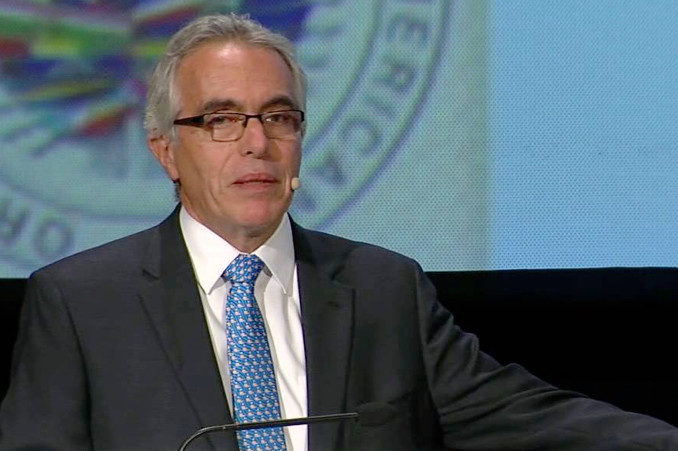
The ICJ welcomes this week’s visit to Uzbekistan of the UN Special Rapporteur on the independence of judges and lawyers, Diego García-Sayan, during which he will assess reforms of the judicial system, the independence of the judiciary and the independence and role of lawyers.
“The visit of the Special Rapporteur to Uzbekistan, at the invitation of the government, is an indication that the Uzbekistan authorities are serious about the ongoing reforms of the justice system. This visit is only a starting point for the deep reforms needed to establish an independent and fair justice system in Uzbekistan. Realising these reforms will require sustained commitment of all institutions of government, lawyers and civil society,” said Temur Shakirov, Senior Legal Adviser of the ICJ Europe and Central Asia Programme.
The ICJ, along with other NGOs and IGOs, met with the Special Rapporteur in Tashkent yesterday on the first day of his visit, and drew his attention to issues concerning the independence of judges and lawyers in Uzbekistan.
“The visit will be followed by the report of the Special Rapporteur containing findings and recommendations. These recommendations should be effectively implemented and the ICJ is committed to provide expert and other support in the Uzbekistan’s effort to bring its justice system in line with the recommendations,” Shakirov added.
Background
The visit of the UN Special Rapporteur on independence of judges and lawyers takes place from September 19-25, 2019.
The Special Rapporteur will hold meetings with representatives of the government, judiciary, prosecutors, lawyers and civil society and is expected to issue a report analyzing the independence of judges and lawyers in Uzbekistan, following his visit.
The Special Rapporteur on the independence of judges and lawyers is one of the special procedures of the United Nations Human Rights Council, appointed as an independent expert to monitor the compliance of UN Member States with international standards on the independence of judges and lawyers.
Sep 19, 2019 | Advocacy, Non-legal submissions
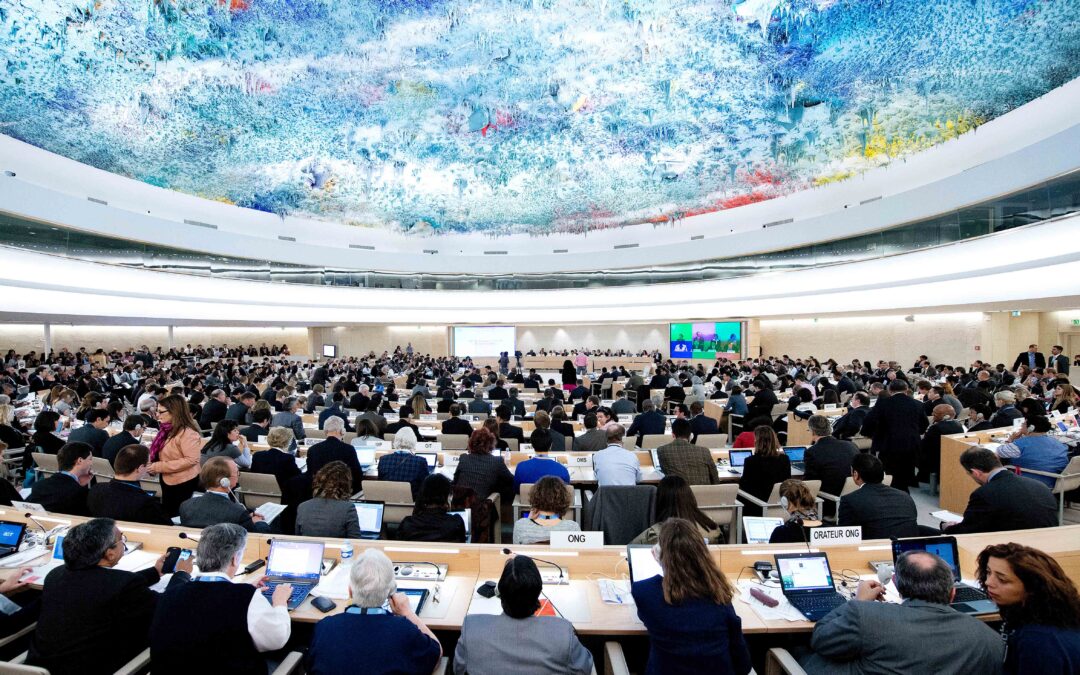
The ICJ today joined other NGOs in an oral statement to the UN Human Rights Council in Geneva, highlighting ongoing challenges faced by independent UN human rights experts, supporting the process the experts have established to make their own work effective, and calling for related issues of funding and non-cooperation of States to be addressed.
The statement was delivered on behalf of the group of NGOs by Amnesty International and read as follows:
“We note the concerns in the Declaration of the Special Procedures’ mandate holders at the Annual Meeting 2019 and share their concern about the global retrenchment against the values and obligations embedded in international human rights law and the challenges they spell out with regard to non-cooperation.
We also express appreciation[1] for the process set in place by the Special Procedures Coordination Committee to discuss ways in which the work can be strengthened including by seeking input from a wide range of stakeholders. This process presents the most appropriate way to ensure the effectiveness of the Special Procedures in protecting and promoting human rights, and to discuss ways to strengthen cooperation and address situations where there may be concerns regarding the actions of individual mandate holders.
We hope that this process will also provide an opportunity to discuss issues of chronic underfunding, non-cooperation of States with the Special Procedures, acts of reprisal and intimidation against human rights defenders and ad hominem attacks against mandate holders and how to make non-cooperation including selective cooperation by states more costly.”
(Partial) list of signatories:
- Amnesty International
- Cairo Institute for Human Rights Studies
- Center for Reproductive Rights
- Child Rights Connect
- CIVICUS: World Alliance for Citizen Participation
- Colombian Commission of Jurists
- Defence for Children International
- Forum for Human Rights and Development (FORUM-ASIA)
- Geneva for Human Rights
- ILGA World
- International Bar Association’s Human Rights Institute
- International Commission of Jurists
- International Movement against All Forms of Discrimination and Racism (IMADR)
- International Service of Human Rights
- Peace Brigades International
- Women’s International League for Peace and Freedom (WILPF)
- World Organisation Against Torture (OMCT)
[1] Civil society statement on efforts to strengthen and increase effectiveness of the United Nations Special Procedures , https://www.amnesty.org/download/Documents/IOR4009672019ENGLISH.pdf
Sep 16, 2019 | Advocacy, Non-legal submissions
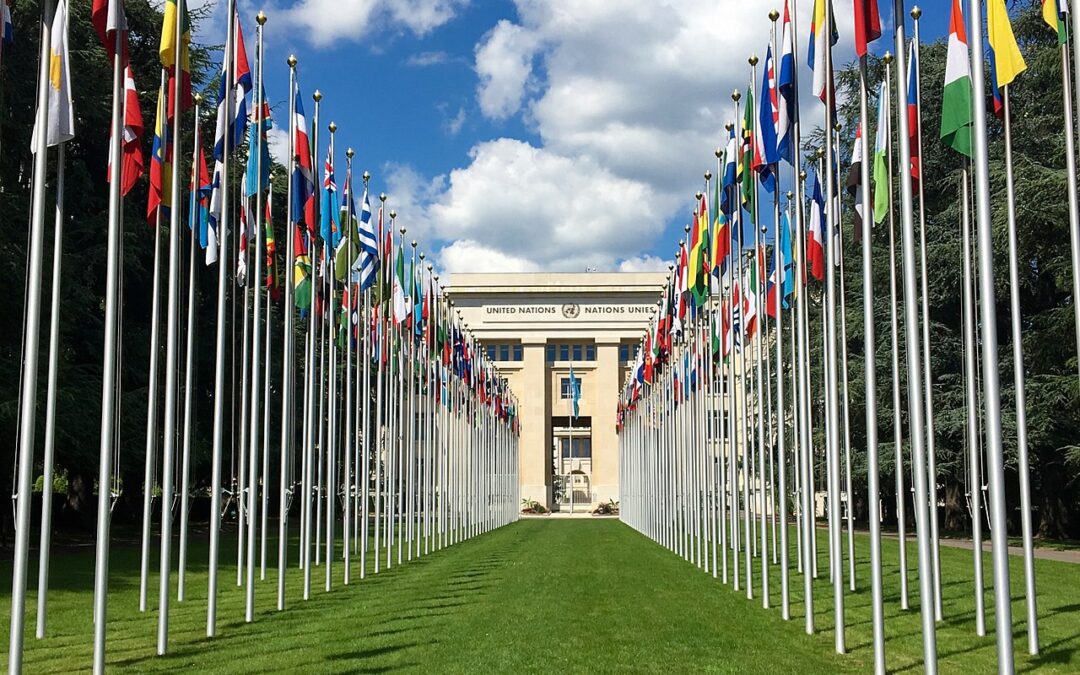
The ICJ today put the spotlight the increase and “normalisation” of enforce disappearances and abductions worldwide, with examples about Turkey, Egypt and Saudi Arabia, speaking at the UN Human Rights Council in Geneva.
The statement, made during the general debate, reads as follows:
The International Commission of Jurists (ICJ) shares concerns highlighted by the Working Group on Enforced and Involuntary Disappearances in its report (UN doc. A/HRC/42/40) at the “increasing use of extraterritorial abductions” and at the “normalization of these practices” globally. ICJ previously documented such practices in our 2017 report, Transnational Injustices.
The killing of Jamal Khashoggi by Saudi Arabia is an example of particular concern, as is the reported abduction, by Turkish authorities, of persons they claim to be linked to “terrorist organisations.” Several of these people, who later reappeared in Turkish prisons, are currently facing serious challenges in mounting a proper legal defence. Complaints of the families have not been properly investigated.
In Egypt, the National Security Agency (NSA) has been abducting and forcibly disappearing hundreds as a technique to suppress dissent. This year, the ICJ and Adalah reported on the disappearance of 138 detainees for between 10 to 219 days, many of whom were subjected to torture.
The ICJ urges the Council to address these worrying developments and calls on all countries:
- to stop all practices of enforced disappearance, abduction or informal international transfer;
- to ratify the International Convention for the Protection of All Persons from Enforced Disappearance, and
- to provide to the victims of enforced disappearance and their families full access to their rights, including an effective remedy.
Sep 13, 2019 | Events, News
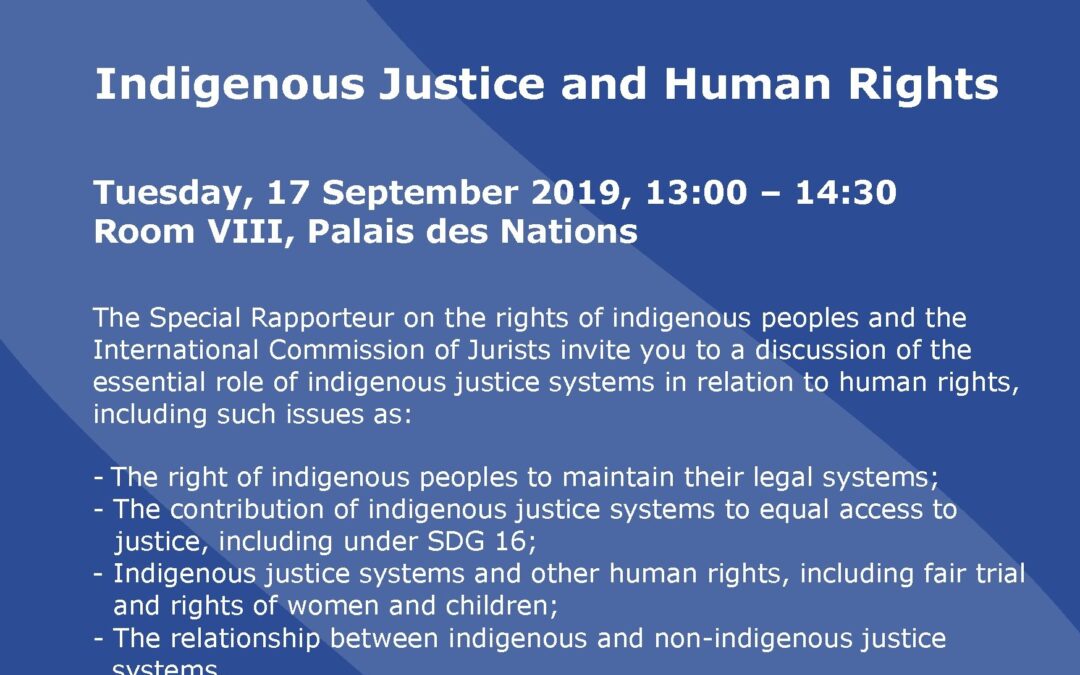
The ICJ and the UN Special Rapporteur on the rights of indigenous peoples are organizing a panel discussion on indigenous justice and human rights, at the UN Human Rights Council session in Geneva.
The event takes place Tuesday, 17 September 2019, at 13:00 – 14:30, Room VIII, in the Palais des Nations.
The event will discuss, among other aspects:
- The right of indigenous peoples to maintain their legal systems;
- The contribution of indigenous justice systems to equal access to justice, including under SDG 16;
- Indigenous justice systems and other human rights, including fair trial and rights of women and children;
- The relationship between indigenous and non-indigenous justice systems.
The panel will feature:
- Victoria Tauli Corpuz, UN Special Rapporteur on the rights of indigenous peoples.
- Ilaria Bottigliero, IDLO Director of Policy, Research and Learning.
- Jovita Tzul Tzul, indigenous lawyer from Guatemala.
- Matt Pollard, ICJ Senior Legal Adviser.
The event will allow for dynamic exchange between panelists and attendees, on current initiatives including: the Special Rapporteur’s report on indigenous justice systems; ICJ’s global initiative on indigenous and other traditional or customary justice systems; and IDLO’s series of publications titled ‘Navigating Complex Pathways to Justice: Engagement with Customary and Informal Justice Systems’, which aim to advance policy dialogue and distil lessons from programming and research to help realize SDG 16.
Spanish-English interpretation will be available.
A flyer in PDF format can be downloaded here: SideEvent-IndigenousJusticeandHumanRights
For more info contact un(a)icj.org