Mar 28, 2018 | Advocacy, Non-legal submissions
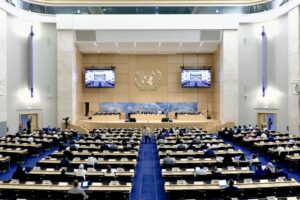
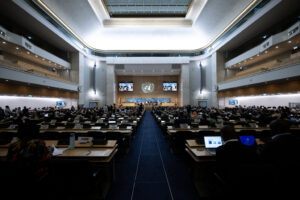
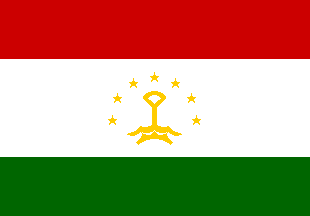
The ICJ today submitted a report to the UN Committee against Torture, calling for recommendations to be made on prevention of and accountability for continued recourse to torture and ill-treatment in Tajikistan.
The ICJ’s submission is made ahead of consideration by the Committee against Torture in April to May 2018 of Tajikistan’s third periodic report on the implementation of its obligations under the Convention against Torture and Other Forms of Cruel, Inhuman or Degrading Treatment or Punishment.
The ICJ’s report draws from an earlier study on Achieving Justice for Gross Human Rights Violations in Tajikistan and calls on the Committee against Torture to make recommendations concerning:
- The obligation to adequately sanction torture;
- The obligation to prevent torture and other forms of ill-treatment, including in places of detention;
- The obligation to investigate allegations of torture and ill-treatment;
- The use of amnesties and pardons for torture;
- The prohibition against the use of evidence obtained by torture;
- The right to complain about torture and ill-treatment; and
- The right of victims to effective remedies and reparation.
Tajikistan-CAT-Advocacy-AlternativeReport-2018ENG (download the ICJ’s submission, in PDF)
Oct 31, 2017 | News, Publications, Reports, Thematic reports
Effective measures to end impunity for crimes of torture in detention are needed to tackle the systematic recourse to torture and other ill-treatment of detainees in Tajikistan, the ICJ concluded in a report released today.
The ICJ report, Achieving Justice for Gross Human Rights Violations in Tajikistan, finds that although Tajikistan’s criminal procedure law is often in line with international law, including fair trial and other relevant guarantees, in practice it does not lead to effective protection of human rights.
The system is in practice unable to remedy or establish accountability for the serious human rights violations that occur systematically in detention, the report says.
Even where complaints of torture are made, it appears that very few lead to investigation, prosecution or conviction.
“The systematic recourse to torture and ill-treatment in detention undermines the integrity of the criminal justice system in Tajikistan, as well as notions of fairness and justice and the operation of the rule of law in the country,” said Temur Shakirov, Senior Legal Adviser at the ICJ’s Europe Regional Programme.
“Torture must always be treated as one of the most serious crimes. International human rights law requires that allegations of torture must be independently, promptly and thoroughly investigated and, where those responsible are identified, they must be brought to justice,” added Shakirov.
An effective system of prevention of torture and other ill-treatment in detention and for the provision of effective remedies and reparation for such violations is needed to tackle the systematic recourse to their use, the report finds.
The ICJ’s report identifies numerous factors that foster the widespread use of torture and other ill-treatment in Tajikistan, including:
- the lack of independence of the judiciary;
- the judges’ failure to uphold equality of arms between the defence and prosecution;
- the frequent failure by courts to inquire into allegations of torture or other ill-treatment raised by the defence;
- the tendency of courts to accept prosecution denials of such treatment without question; and
- courts’ regular failure to exclude evidence obtained by torture.
With heavy reliance by judges on self-incriminating statements made by suspects in the first hours of detention, the presumption of innocence remains to a large extent illusory, the report adds.
The report also demonstrates that a lack of guarantees for confidential lawyer-detainee meetings prevents detainees from effectively exercising their right to qualified legal assistance and to complain about ill-treatment if necessary.
“Systemic torture cannot be effectively eradicated unless lawyers are both individually and institutionally independent of the executive, are protected in carrying out their duties, and have unimpeded access to their clients in the first hours of detention, as required by international law and standards”, Shakirov said.
The report provides a comprehensive list of recommendations following a detailed analysis of applicable laws and practices in Tajikistan, including based on the findings and recommendations of different bodies of the United Nations human rights system.
Contact
Temur Shakirov, Senior Legal Adviser, Europe Programme, t: +41.22.979.3832; e: temur.shakirov(a)icj.org
Alex Conte, ICJ Global Redress and Accountability Initiative, t: +41.79.957.2733; e: alex.conte(a)icj.org
Tajikistan-GRA Baseline Study-News-Press-Release-2017-RUS (Press Release, Russian PDF)
Download
Tajikistan-GRA Baseline Study-Publications-Reports-Thematic reports-2017-ENG (full report in PDF, English)
Read also
ICJ Report ICJ Recommendations on the Independence of the Legal Profession in the Republic of Tajikistan (February 2016)
ICJ legal submission Alternative Report to the UN Human Rights Committee on the Second Periodic Report of Tajikistan under the International Covenant on Civil and Political Rights (June 2013)
Oct 4, 2017 | News
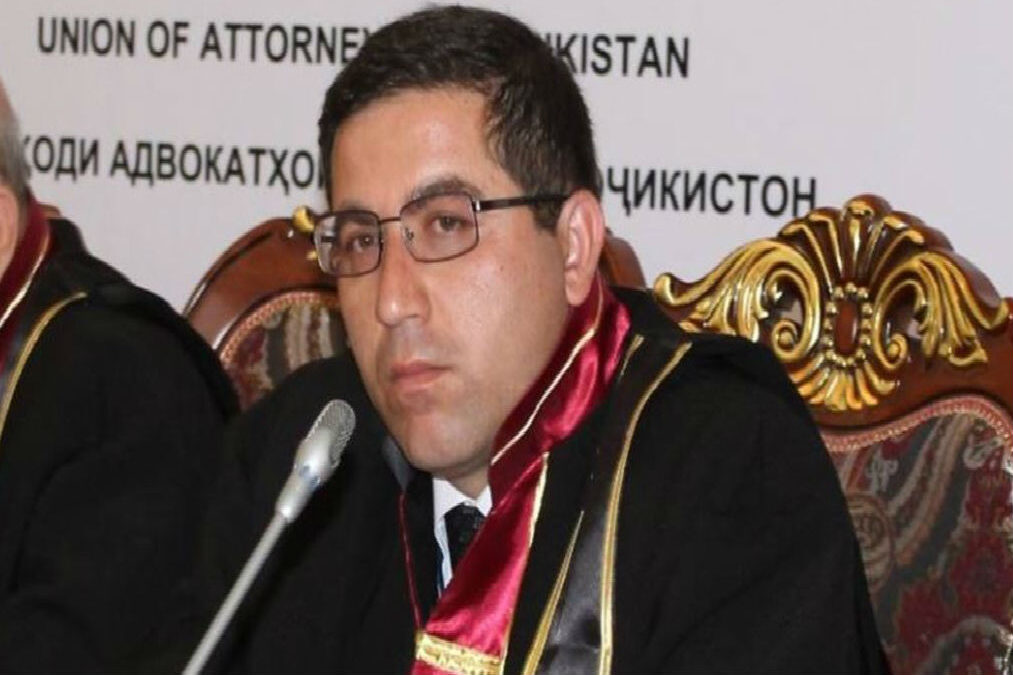
Tajikistan should take urgent action to ensure the protection of Buzurgmehr Yorov, a lawyer serving a 28-year sentence in prison, following his conviction being based on clearly improper charges related to the defense of his clients, the ICJ said today.
The ICJ is aware that Bugurgmehr Yorov has been subjected to acts amounting to torture or other ill-treatment.
The responsible authorities must ensure that such ill-treatment immediately ceases and that allegations that Buzurgmehr Yorov’s rights that have been violated are promptly and thoroughly investigated by an independent body.
Anyone responsible for violations of his rights must be held accountable and brought to justice, as required under Tajikistan law as well as international human rights treaties to which Tajikistan is a party.
Buzurgmekhr Yorov was arrested two years ago on 28 September 2015, on charges of “fraud” and “forgery of documents.”
Later, he was accused of violating three more articles of the Criminal Code, including in relation to alleged “public calls for extremist activity.”
On 6 October 2016, The Dushanbe City Court sentenced Yorov to 23 years imprisonment in a strict regime prison.
In March this year, Yorov was sentenced to an additional two years’ deprivation of liberty for “contempt of court and insulting the representative of power.”
In August 2017, he received a further three years sentence on charges of “insulting the president.”
On 27 September 27 2017, Hurinniso Ishokova, mother of Buzurgmehr Yorov, obtained permission to visit her son in a pre-trial detention facility, for the first time in nine months.
Following the visit, she alleged that her son had been systematically beaten by prison staff during the whole period of his detention, and that in the last month the beatings had intensified.
She also said that at an unspecified time during his detention Buzurgmehr Yorov had been admitted to the hospital at the pre-trial facility.
After several days of treatment, he was again sent back and the beatings by prison staff resumed.
According to his mother, these beatings were accompanied by insults, humiliation and threats. Reportedly, on three recent occasions Buzurgmkhar Yorov was placed in a punishment cell for several days.
On September 28, 2017 the head of the pre-trial facility rejected all claims that Buzurgmkhar Yorov had been subjected to torture or other ill-treatment.
Background:
The ICJ has, on a number of occasions, expressed its serious concerns over the arrest and conviction of Buzurgmehr Yorov and other lawyers in Tajikistan.
The ICJ is concerned that Buzurgmehr Yorov’s conviction may constitute a reprisal for his defense work in high-profile political trials in connection with his representation of thirteen leaders of the Islamic Renaissance Party of Tajikistan (IRPT).
See:
https://www.icj.org/tajikistan-long-prison-sentences-for-lawyers-endangers-the-fairness-of-the-justice-system/
https://www.icj.org/tajikistan-arrest-of-lawyer-raises-concern-over-reprisals-for-defense-of-clients/
https://www.icj.org/tajikistan-icj-concerned-at-arrest-of-lawyer/
Tajikistan is a party to the International Covenant on Civil and Political Rights (ICCPR) and the UN Convention against Torture (CAT) both of which enshrine the absolute prohibition on torture or other cruel inhuman and degrading treatment, and require that allegations of such ill-treatment should be subject to independent, thorough and prompt investigation, and that perpetrators of crimes of torture should be brought to justice.
According to UN Basic Principles on the Role of Lawyers, lawyers “shall not suffer, or be threatened with, prosecution or administrative, economic or other sanctions for any action taken in accordance with recognized professional duties, standards and ethics.” (Principle 16(c)).
Yorov_statement_rus (Russian translation – pdf)
May 19, 2017 | Multimedia items, News, Video clips
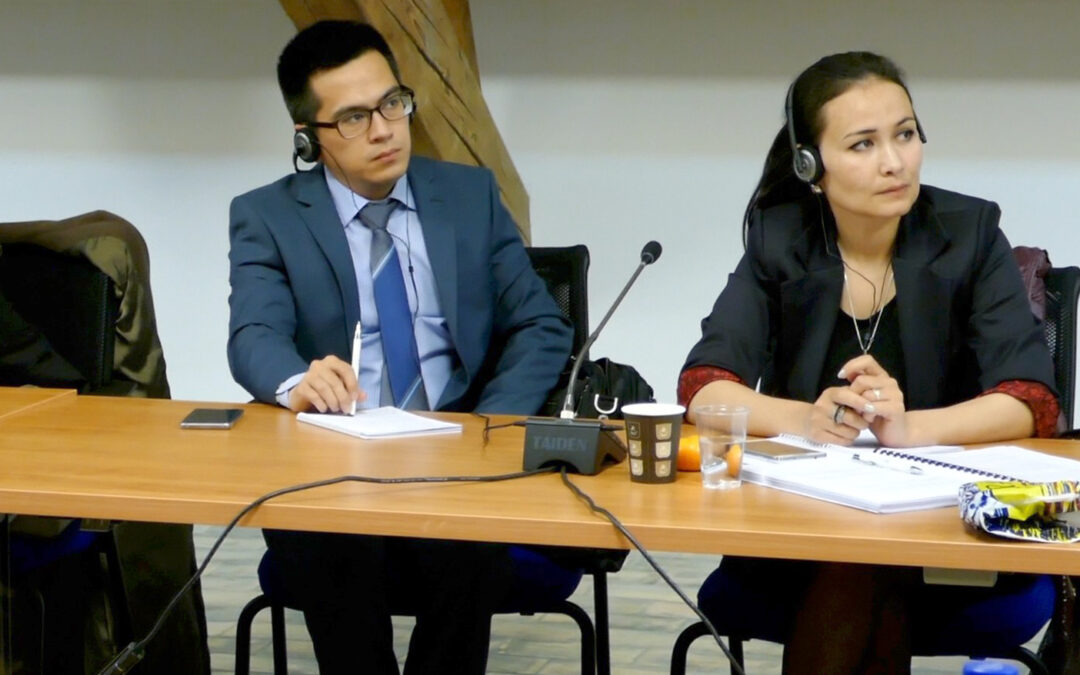
Zainab Kistabayeva, Iuliia Votslava, Shoira Sobirova and Daniyar Kanafin, four lawyers who have been trained at the Programme, and ICJ’s Legal Adviser Temur Shakirov, talk about this recent event.
Temur Shakirov
Zainab Kistabayeva
Iuliia Votslava
Shoira Sobirova
Daniyar Kanafin
Nov 5, 2016 | News
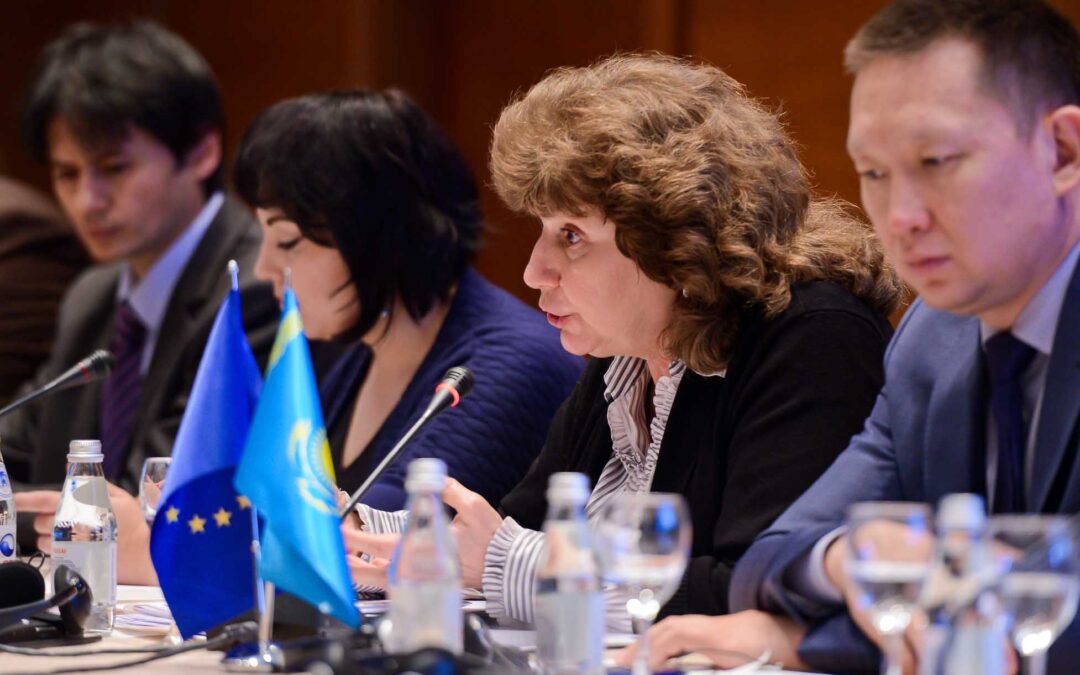
Today the ICJ, in partnership with the National Collegium of Advocates of Kazakhstan, hosts a major regional conference in Almaty, Kazakhstan, on the role and independence of the legal profession in Central Asia.
Bringing together bar associations and lawyers from across Central Asia, as well as representatives of bar associations from European countries and international experts, the conference explores how associations of lawyers can strengthen the role of lawyers in the justice system.
Participants will discuss the organization and self-governance of the profession in each of the countries of Central Asia; will analyse the obstacles lawyers face in protecting the rights of their clients; and will debate standards and good practices in protecting the integrity of the profession through codes of ethics, disciplinary proceedings and professional training.
“Across Central Asia, every day, lawyers do vital work to protect the human rights of their clients. But they can only do this effectively when their independence is protected in law and in practice, and when high ethical and professional standards are enforced by self-governing associations of lawyers.” said Róisín Pillay, Director of the ICJ Europe and CIS programme
“At a time when the organization of the profession is being renewed in several countries of the region, this conference aims to ensure that lawyers work together to learn from each others’ experiences, and from international law and standards, to strengthen associations of lawyers in upholding the vital role of the profession,” she added.
Download the agenda in English and Russian here:
central-asia-agenda-conference-legal-prof-news-web-stories-2016-rus-eng (in PDF)