Oct 16, 2019 | Multimedia items, News, Video clips
ICJ’s first ever fundraising gala took place on 14 October at the iconic setting of the Palais Eynard in Geneva.
Sami Kanaan, Counselor and former Mayor of the City of Geneva, which provided its generous support, opened the event by speaking of the importance of the ICJ cooperation with the local legal community.
Next, several speakers offered a few answers to the theme of the evening: ‘Geneva, the defense of the Rule of Law: what can I do?’.
Pierre de Preux, former Bâtonnier, explained the great value that can be brought to defending rule of law in the world by supporting the ICJ through missions, as he himself did in Tunisia in the 80s.
He was followed by ICJ Commissioners Sir Nicolas Bratza (former President of the European Court of Human Rights), who discussed backsliding on human rights in contemporary Europe; lawyer Reed Brody, who discussed his work in bringing powerful dictators to account for human rights atrocities; and Justice Martine Comte of France, who described her experience in leading ICJ missions in Central Asia.
The ICJ President Prof. Robert Goldman and ICJ Secretary General Sam Zarifi also addressed the attendees.
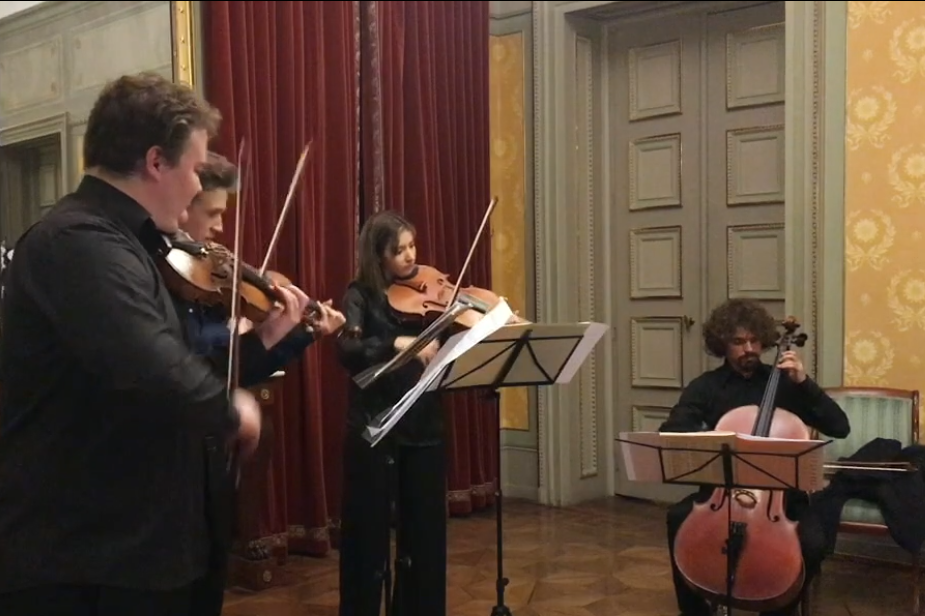
The exchange was then followed by an inspiring concert by the young virtuosi of the Menuhin Academy and a delicious Buffet cocktail provided by refugee Chefs Jena Hamza (Syrian Kurd) and Sritharan Tambithurai (Sri Lanka). All in all, a wonderful evening combining substance, beauty and friendship.
Watch the video here:

Oct 14, 2019 | Events, News
This side event will take place on Wednesday, 16 October 2019 at 13h00-15h00 in room XXIV of Palais des Nations, Geneva.
The ICJ and FRIEDRICH EBERT STIFTUNG invite you to a discussion about the article 6 of the Revised draft of a legally binding instrument on TNCs and other business enterprises to assess its content and coverage. The discussion will have a focus on whether its various paragraphs adequately address issues such as parent company and lead buyer liability in relation to harm caused by their subsidiaries or suppliers to human rights and labor rights.
The panel will feature:
- Doug Cassel (by video), University of Notre Dame
- Makbule Sahan, International Trade Union Confederation
- Markus Krajewski, Friedrich-Alexander-Universität Erlangen-Nürnberg
- Olivier de schutter, University of Louvain
Moderator
- Ian Seiderman, ICJ Legal and Policy Director
Side event Legal liability (flyer of the event, in PDF)
Sep 25, 2019 | Events, News
The ICJ is organizing its first fundraising Gala concert on Monday 14 October at 7:30pm in the Palais Eynard, 4 rue de la Croix Rouge, Geneva. The event will support the ICJ and its fight for the defense of the Rule of Law in the world and marks the end of the series of events we organized for our 60th anniversary in the city of human rights.
The theme of our Gala will be: “Geneva, the Defense of the Rule of Law: What can I do?”
After a welcome from the Mayor of Geneva and an introduction from Me Pierre de Preux, former Bâtonnier of the Geneva Bar, ICJ Commissioners including Sir Nicolas Bratza (former President of the European Court of Human Rights), Dame Silvia Cartwright (former Judge and Governor General of New Zealand), Professor Bob Goldman (ICJ President and former President of the Inter-american Commission on Human Rights) and Ms Roberta Clarke (ICJ Executive Chair, UN Women’s Office for the Caribbean, UN Women’s Regional Office for Asia and the Pacific) will give concrete answers to this question.
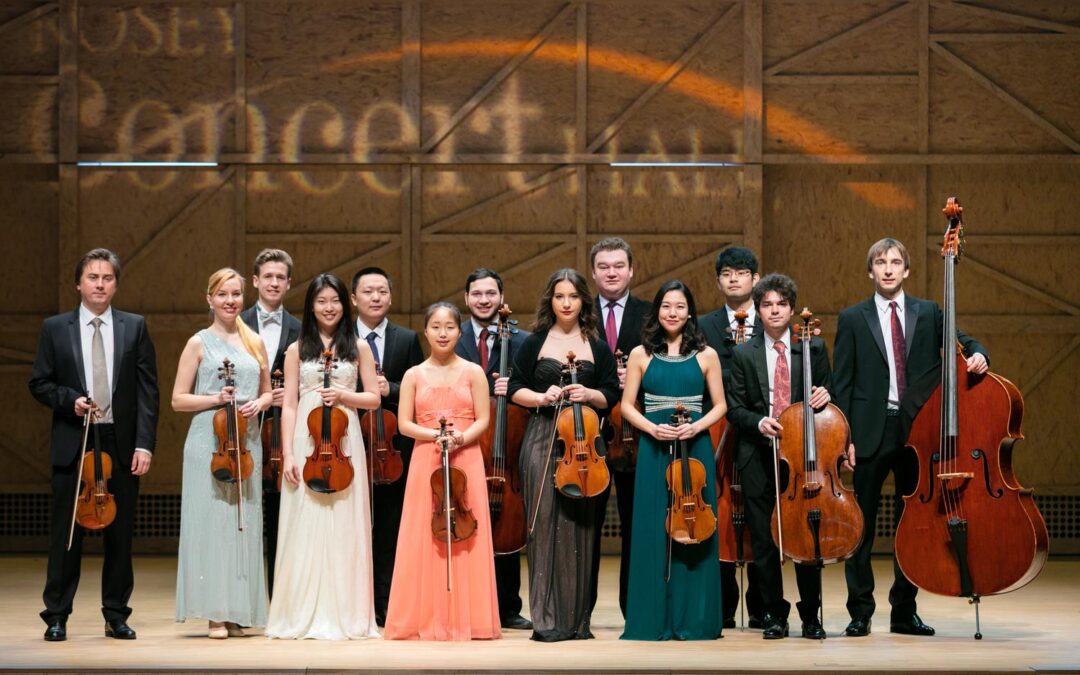
But the evening is also to enjoy a wonderful Concert of the ‘Soloists of the Menuhin Academy’ (photo) and the cocktail after that.
To reserve: Pascale.andris@icj.org
You cannot come but still want to make a donation: please click here
Download the invitation
Invitation Gala 14 Oct
Sep 23, 2019 | Advocacy, Non-legal submissions
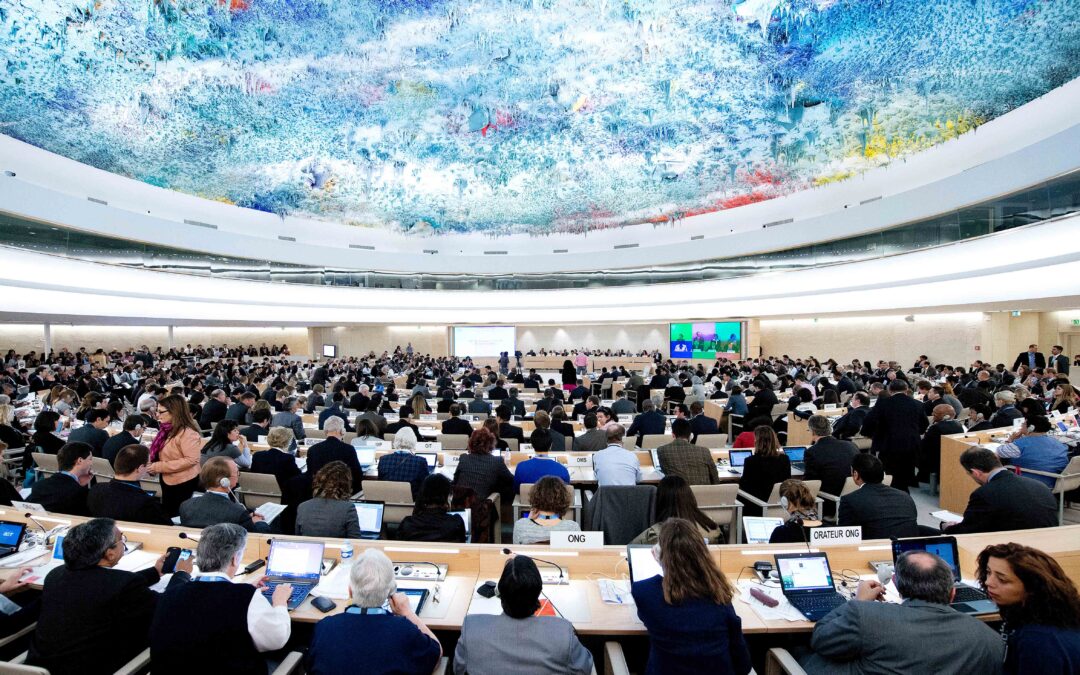
The ICJ today drew the attention of the UN Human Rights Council in Geneva, to the Bangkok General Guidance for Judges on Applying a Gender Perspective, in the context of a discussion of “Gender-responsive initiatives to accelerate gender equality”.
The oral statement read as follows:
“International Commission of Jurists (ICJ) welcomes this opportunity to share information on our ongoing work with women judges in many parts of the world, supporting them and their male colleagues to better ensure women’s access to justice and gender equality.
As part of these efforts, facilitated by the ICJ and UN Women, in 2016 judges from the Philippines, Indonesia, Thailand, and Timor Leste developed and adopted The Bangkok General Guidance for Judges on Applying a Gender Perspective.
Among many other provisions, the Guidance urges States to achieve gender parity in appointments to the bench.
The Guidance provides that: “Gender equality should be a principle that guides judicial appointments. Women and men must be equally represented on the bench as they bring a diversity of perspectives, approaches and life experiences to adjudication, which influence the interpretation and application of laws.”
It further recommends that “[i]f necessary, temporary affirmative measures – like quotas which should be consistent with requirements of integrity and high competency – should be implemented in order to assure that women are adequately represented in the judiciary” and that “[e]valuation panels for the appointment and promotion of judges should be composed of men and women.”
The Guidance builds on global standards such as the Universal Declaration of Human Rights’ provisions on equality, non-discrimination, and equal access to public service; article 10 of the UN Basic Principles on the Independence of the Judiciary, on non-discrimination in judicial selection processes; and related articles of the International Covenant on Civil and Political Rights (ICCPR) and Convention on the Elimination of Discrimination against Women (CEDAW).
We hope the Bangkok Guidance will be a useful reference both in considering how to improve gender parity within the Council’s mechanisms, and as a resource for the Council and its mechanisms to cite in their analysis and recommendations to governments and other stakeholders, on improving access to justice for women in Southeast Asia and around the world.”
Sep 21, 2019 | Advocacy
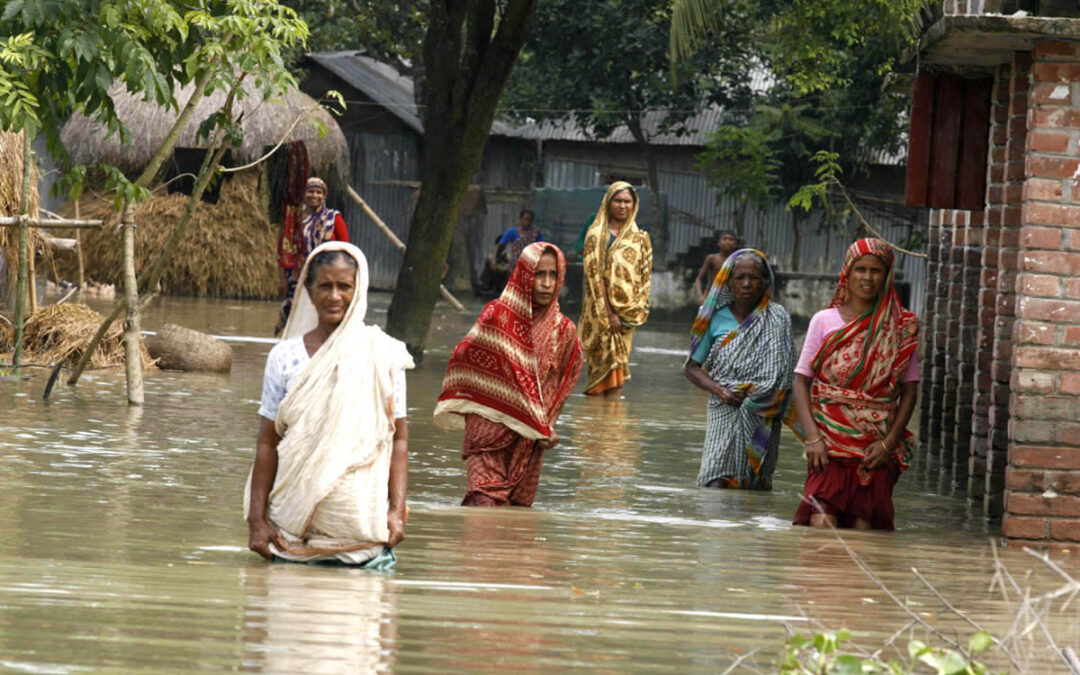
The ICJ has joined several hundred organizations working to defend human rights, the environment, and climate justice in a bold declaration setting out a vision and objectives for addressing the climate crisis and the devastating human rights and environmental impact of catastrophic climate change.
The Declaration was adopted at a gathering of the the Peoples’ Summit on Climate, Rights and Human Survival in New York on 18-19 September, which brought together some 200 representatives of Indigenous Peoples, workers, academia, environmental and human rights groups, including the ICJ.
The Declaration warns that “the climate emergency threatens human survival, the environment and the enjoyment of all human rights, for present and future generations.”
It emphasizes that governments and corporations bear the primary responsibility for acting to address and reverse the drivers of climate change.
The signatories to the Declaration agreed to 10 types of actions, including, among others, placing human rights at the core of climate activism, demanding effective access to justice for individuals and communities whose rights are impacted by the climate crisis, and support for environmental human rights defenders.
Download
Universal-Peoples Summit Declaration CC-Advocacy-2019-ENG (full declaration in PDF)