Sep 2, 2019 | News
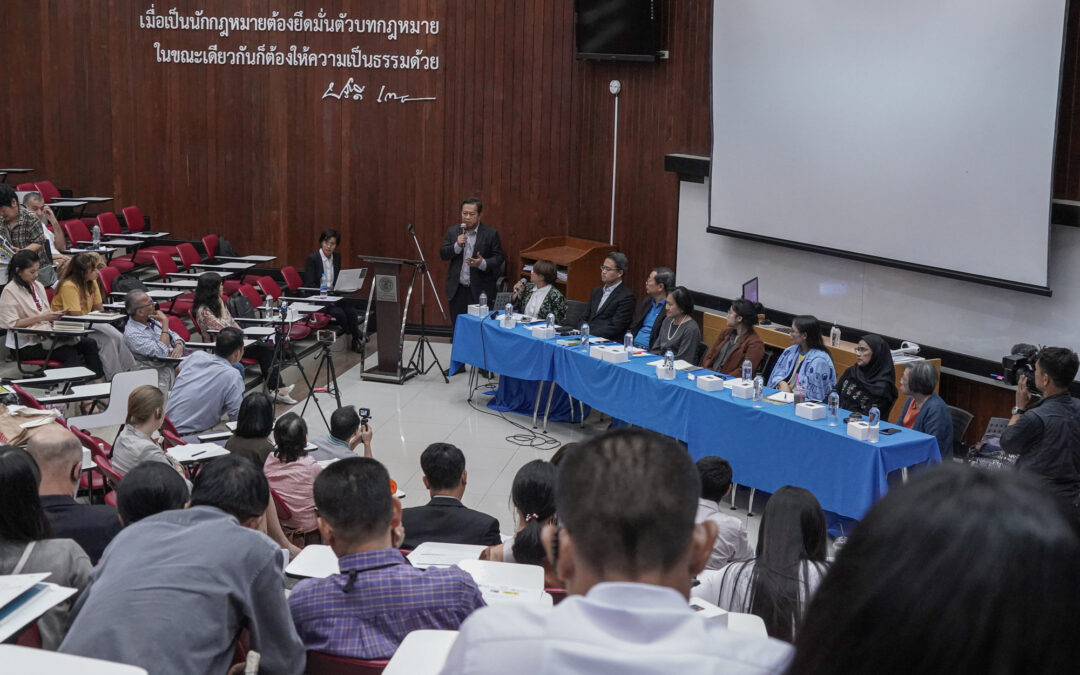
On 30 August 2019, on the occasion of the International Day of the Disappeared, the ICJ co-hosted an art exhibition, a closed-door round table discussion and a public forum titled “Enforced Disappearance and the Absence of a Law” to commemorate individuals who were subject to apparent enforced disappearance and whose fates remains unknown.
The closed-door round table discussion provided an opportunity for victims’ voices to be heard on challenges faced in gaining access to justice and redress. Relatives spoke about the challenges they face, mostly about the poor progress of investigations into the allegations of enforced disappearance against their relatives.
Sanhawan Srisod, the ICJ’s Legal Adviser, during the closed-door round table discussion, gave a briefing about the latest developments on the Draft Prevention and Suppression of Torture and Enforced Disappearance Act. The legislation had been dropped by the National Legislative Assembly (NLA) prior to the 2019 national elections, but is currently before the President of the National Assembly, pending his consideration to bring it before the House of Representative.
The public forum focused on the development and progress of the investigations into enforced disappearances and evaluated the progress in developing legislation in Thailand to address this critical issue.
During the public forum, Sanhawan Srisod highlighted that the Draft Act would, if adopted, fail to bring the law into full compliance with Thailand’s international human rights obligations. The key concerns include:
- Incomplete definitions of the crimes of enforced disappearance;
- The continuous nature of the crime of enforced disappearance that was not recognized in the Draft Act;
- Inadequacy of provisions on the command responsibility;
- Possibility that the military court may have power to try and adjudicate enforced disappearance cases; and
- Insufficient safeguards against enforced disappearances.
Background
Thailand has signed but has yet to ratify the International Convention for the Protection of All Persons from Enforced Disappearance.
According to their 2018 annual report, the UN Working Group on Enforced or Involuntary Disappearances has recorded 86 outstanding cases of alleged enforced disappearance in Thailand.
The Thai government, through the recently set up Committee Managing Complaints for Torture and Enforced Disappearance Cases, says it is currently conducting investigations in connection with this list.
Closed-door round table discussion session included the following speakers: Ms. Phinnapha Phrueksaphan, wife of Mr. Porlajee Billy Rakchongcharoen; Ms. Angkhana Neelapaijit, wife of Mr. Somchai Neelapaijit; Ms. Pranee Danwattananusorn, wife of Mr. Surachai Danwattananusorn; Mr. Adisorn Pho-Arn, son of Mr. Thanong Pho-Arn; Ms. Kanya Theerawut, mother of Mr. Siam Theerawut; Ms. Suphab Kamlae, wife of Mr. Den Kamlae; Mr. Prasert Laosophapan, brother of Mr. Kamon Laosophapan; Ms. Shui-Meng Ng, wife of Mr. Sombath Somphone from Lao PDR; Mr. Truong Son Nguyen, Regional Campaigner, Amnesty International Vietnam; Representatives, indigenous Lahu Community, Chiang Mai province; and Ms. Sanhawan Srisod, Legal Adviser, International Commission of Jurists
Public forum session included the following speakers: Ms. Shui-Meng Ng, representative of Asian Federation Against Involuntary Disappearances; Ms. Angkhana Neelapaijit, wife of Mr. Somchai Neelapaijit; Ms. Phinnapha Phrueksaphan, wife of Mr. Porlajee Billy Rakchongcharoen; Mr. Angsukate Wisutwattanasak, Director of Security Cases Department 1, Department of Special Investigation (DSI); Ms. Nongporn Roongpetchwong, Human Rights Expert, Rights and Liberties Protection Department, Ministry of Justice; and Ms. Sanhawan Srisod, Legal Adviser, International Commission of Jurists. The opening session included remarks from Mr. Giuseppe Busini, Deputy Head of Mission of the Delegation of the European Union to Thailand, and Mr. Surapong Kongchantuk, President of the Cross-Cultural Foundation. The closing session included remarks from Mr. Badar Farrukh, Human Rights Officer, OHCHR Regional Representative for South East Asia.
See Also:
Summary of the ICJ analysis of the Draft Act (PDF)
Thailand: ICJ submits recommendations on draft law on torture and enforced disappearance amendments
Aug 21, 2019 | News
The ICJ in collaboration with the Zimbabwe Anti-Corruption Commission (ZACC) and the National Prosecuting Authority (NPA), today launched a broad base anti-corruption awareness campaign in Harare.
The campaign was introduced by the President of Zimbabwe H.E. Cde Emmerson D. Mnangagwa and is expect to effectively run for 15 months.
It will harness different forms of media to spread awareness on the negative impact corruption has on the rule of law, human rights and development.
The anti-corruption awareness campaign is part of a broader longstanding rule of law initiative by the ICJ in collaboration with with stakeholders in the justice sector, to strengthen the rule of law for the protection and promotion of human rights for all, including women and persons from marginalized or disadvantaged groups.
Corruption undermines the rule of law by impeding access to justice through diversions of public resources for private gain.
As such the ICJ, through the support of the EU, is working towards increased transparency and integrity in the justice delivery system in order to increase access to justice for all.
“Zimbabwe has no option but to fight corruption if it is to be a just, peaceful and successful developmental state,” said Arnold Tsunga, ICJ’s Africa Regional Director.
“The reconstituted ZACC has demonstrated a strong desire to pursue its mandate with renewed commitment from other stakeholders in the justice delivery chain,” he added.
The campaign is not undertaken in isolation. It builds on other initiatives to combat corruption under this programme, which include the establishment of an anti-corruption court, training of personnel for the court and various research initiatives.
The campaign seeks to support the national efforts against corruption, and sensitize the public on the negative effects of corruption in society.
It will promote awareness on how to report corrupt practices, how to avoid corrupt practices and the impact of corruption on the public interest.
The campaign acknowledges that different sections of the population engage with media in varying manners. As such it utilises a wide array of approaches designed to build the optimism of the people of Zimbabwe to take an active role in efforts to combat corruption at every level of society.
The campaign launch was attended by justice sector actors, civil society representatives, business representatives and the diplomatic.
Contact:
Arnold Tsunga, Director of the Africa Regional Programme, International Commission of Jurists C: +263 77 728 3248, E: arnold.tsunga(a)icj.org

Jul 18, 2019 | News
The ICJ and the International Bar Association’s Human Rights Institute (IBAHRI) have jointly sent international observers to attend the second hearing of the criminal trial on the “Gezi Park” protest at the Silivri Prison Courthouse in Istanbul, scheduled to take place on 18 and 19 July 2019.
The ICJ and IBAHRI observers will be monitoring a trial hearing before İstanbul 30th Assize Court with prinicipal defendant Osman Kavala, and 15 others; Ali Hakan Altınay, Ayşe Mücella Yapıcı, Ayşe Pınar Alabora, Can Dündar, Çiğdem Mater Utku, Gökçe Yılmaz, Handan Meltem Arıkan, Hanzade Hikmet Germiyanoğlu, İnanç Ekmekci, Memet Ali Alabora, Mine Özerden, Şerafettin Can Atalay, Tayfun Kahraman, Yiğit Aksakoğlu and Yiğit Ali Ekmekçi.
The observers will report directly to the IBAHRI and ICJ Secretariats on the proceedings following the mission.
The Gezi Park protests began in May 2013 as an effort by a group of environmentalists to save a park in central Istanbul from being rezoned, but soon turned into nationwide demonstrations.
The protest was quelled by police with the use of tear gas and water cannons against the protesters in Taksim Square. Following a six-year investigation into the events, the 657-page indictment issued by the Istanbul Chief Public Prosecutor’s Office was accepted by the 30th A Court in Istanbul on 4 March 2019.
The defendants are to be charged under Turkish Criminal Code Article 312 (attempt to overthrow the Turkish Government or attempt to prevent it from fulfilling its duties), Article 151 (damage to property), Article 152 (qualified damage to property), Article 174 (possession or exchange of hazardous substances without permission), Article 153 (damaging places of worship and cemeteries), Article 149 (qualified robbery), Article 86 (intentional injury); crimes under the Law on Firearms, Knives and Other Tools no. 6136, and crimes under the Law on Protection of Cultural and Natural Assets no. 2863.
The total sentence asked for by the prosecution for these offences amounts to approximately 47,520 years imprisonment.
Contact:
Massimo Frigo, Senior Legal Adviser, t: +41 22 979 38 05 – e: massimo.frigo(a)icj.org
Jul 17, 2019 | Advocacy, News, Non-legal submissions
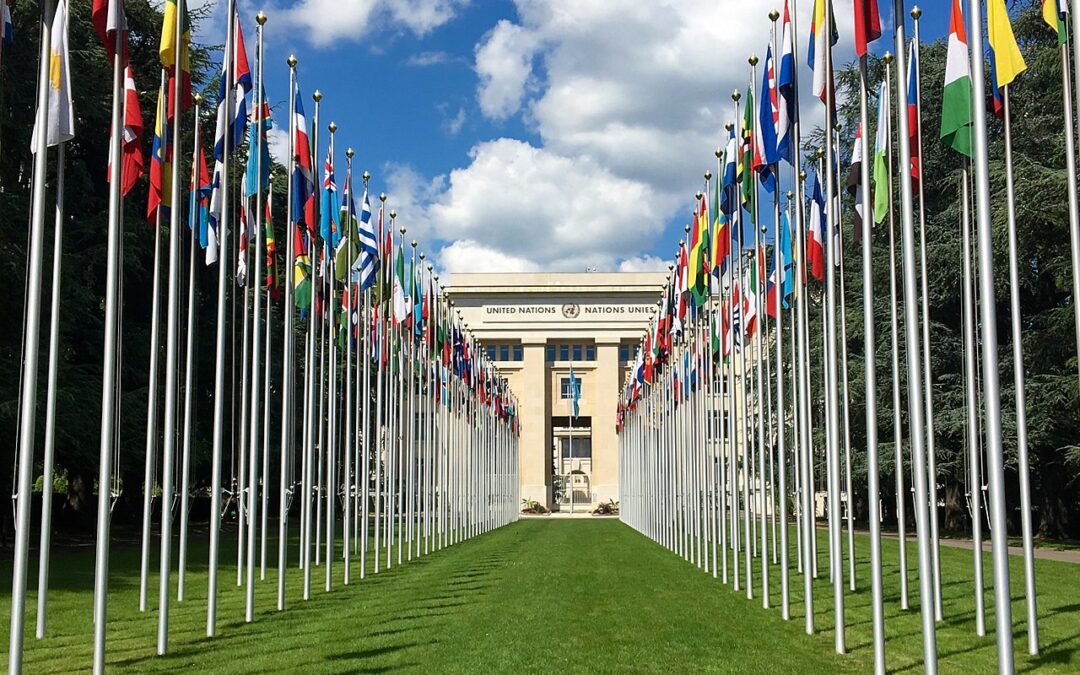
Today, the ICJ filed a submission to the Human Rights Council’s Working Group on the Universal Periodic Review in advance of its review of Turkey’s human rights record in January 2020.
In its submission, the ICJ considered:
- the situation with the independence of the judiciary in Turkey, during and after the state of emergency of 2016-2018;
- the lack of effective remedies for the mass dismissals in the public sector occurred in that period;
- the shortcomings in fair trial rights in the criminal justice system:
- the obstacles to the action of civil society;
- the lack of accountability for torture and enforced disappeareances; and
- provided information on the status of international human rights treaties ratified by Turkey.
Contact:
Massimo Frigo, ICJ Senior Legal Adviser, e: massimo.frigo(a)icj.org
Full submission in English (PDF) : Turkey-UPR-Advocacy-non-legal submissions-2019-ENG
Jul 12, 2019 | News, Publications, Reports
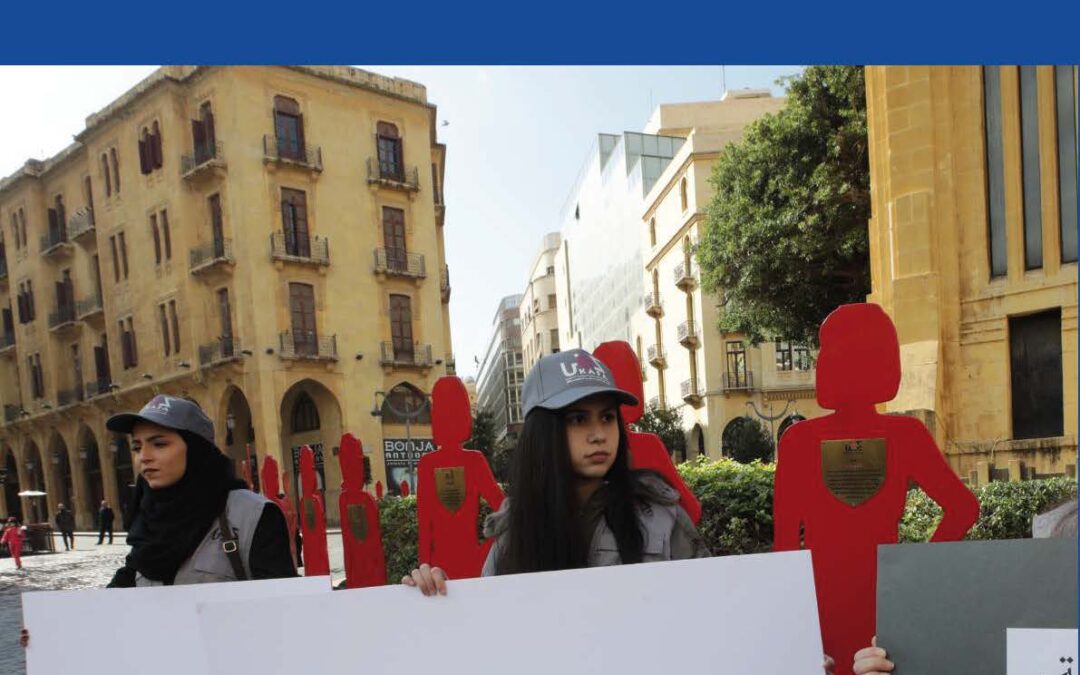
In a report published today, the ICJ called on the Lebanese authorities to prevent, address and ensure accountability for all forms of gender-based violence (GBV) against women and girls, including by adopting legislative, judicial and other appropriate measures.
The report Gender-based Violence in Lebanon: Inadequate Framework, Ineffective Remedies concludes that the persistence of GBV against women and girls in Lebanon is rooted in entrenched patriarchal norms and cultural stereotypes about the roles and responsibilities of women and men in society prevalent throughout the country, including within the judiciary and among other law enforcement officials.
Moreover, legal frameworks and ineffective procedures for the investigation, prosecution and adjudication of GBV fail to adequately protect women’s rights, the report says.
While steps taken by the Lebanese authorities to remedy some deficiencies in the legal framework are commendable, there is still a long way to go to dismantle the web of legal provisions, including in the Criminal Code, the Nationality Law and Personal Status Laws, which discriminate against women or fail to adequately protect their rights.
“Gender discrimination embedded in family laws and in practices is one root cause of violence against women and girls,” said Roberta Clarke, Chair of the ICJ’s Executive Committee.
“Discrimination and economic dependency act as barriers to women’s access to justice,” she added.
The ICJ is particularly concerned that discriminatory practices and bias against women continue to undermine criminal investigations and prosecutions in GBV cases.
“Lebanon should provide for gender-sensitive investigations and evidence-gathering procedures in order to enable women to report violence against them, and ensure that any case of gender-based violence is prosecuted effectively whenever warranted by the evidence, even where no formal complaint has been lodged or when a complaint is withdrawn,” said Kate Vigneswaran, Senior Legal Adviser for the ICJ’s Middle East and North Africa Programme.
Based on an analysis of 30 judicial decisions related to GBV cases and other research, the ICJ found that stereotyping by justice system actors results in direct and indirect discrimination against women.
This, in turn, greatly diminishes the chance that judges granting remedies are both free from biased assumptions and effective, thereby undermining the justice system’s impartiality.
“Judges must decide gender-based violence cases based on the law and facts of the case, rather than pre-conceived cultural beliefs and social stereotypes that are biased against women,” said Said Benarbia, ICJ MENA Director.
“Courts must not use ‘honour,’ ‘fit of fury’ and victim blaming to shield perpetrators of violence against women from accountability,” he added.
Contact:
Said Benarbia, Director, ICJ Middle East and North Africa Programme, t: +41-22-979-3817; e: said.benarbia@icj.org
Kate Vigneswaran, Senior Legal Adviser, ICJ Middle East and North Africa Programme, t: +31-62-489-4664; e: kate.vigneswaran@icj.org
Additional information
This week, ICJ Commissioner Roberta Clarke led the delegation that met with Lebanese authorities and justice and civil society actors in Beirut to present the ICJ’s report and discuss its findings and recommendations.
The delegation met with Chief Justice Jean Fahed, President of the Lebanese Cassation Court and the High Judicial Council; Mrs. Claudine Aoun Roukoz, President of the National Commission for Lebanese Women; George Fiani, head of the Legal Aid Division of the Beirut Bar Association; representatives of the office of the Prime Minister and the office of the Minister of State for Economic Empowerment of Women and Youth; members of the Internal Security Forces; a member of the National Human Rights Institution; and representatives of civil society and the United Nations.
Lebanon-Gender Violence-Publications (full report, English, in PDF)
Lebanon-Gender Violence-Publications-ARA (full report, Arabic, in PDF)
Lebanon-GBVReport2 launch-News-Press releases-2019-ARA (full story, Arabic, in PDF)