Apr 26, 2021 | News
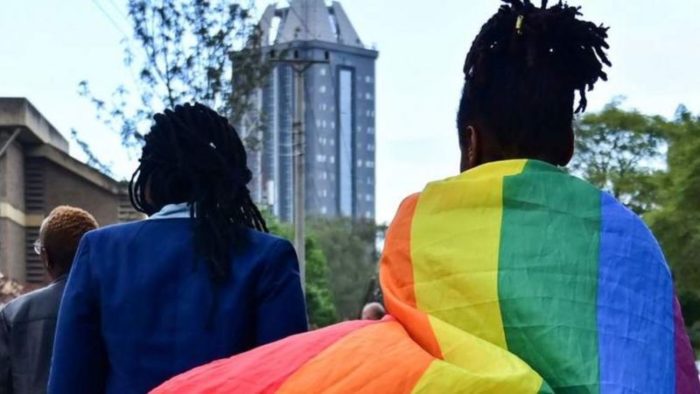
Homophobia is against African notions of ubuntu.
Over the past month, the killings of four gay men have made headlines in South Africa. Lonwabo Jack, a 22-year-old gay man, was killed on his birthday, 18 April. Earlier in April, two more gay men, were killed – Nathaniel Mbele in Vanderbijlpark and Sphamandla Khoza in Durban.
Lonwabo Jack’s killing occurred just two days after advocates for the human rights of lesbian, gay, bisexual, transgender and intersex people (LGBTI) led protests in front of Parliament in Cape Town demanding that the South African government address the countrywide homophobic violence that continues unabated.
The group Justice for Lulu, founded after Andile “Lulu” Ntuthela, a 40-year-old gay man, was killed in the Eastern Cape on 10 April. The group handed a memorandum to Parliament calling, among other things, for an urgent debate on hate crimes. The Gay and Lesbian Alliance of South Africa (GLASA), in turn, called for the government to speed up the adoption and enactment of the Prevention and Combating Hate Crimes and Hate Speech Bill B9 of 2018.
These hate crimes and attacks on the LGBTI community have been ongoing for many years. Homophobia is endemic in South Africa, despite the comprehensive and progressive legal framework, including legal protection for the human rights of LGBTI persons.
As attested to by the ICJ’s recent report, “Invisible, Isolated, and Ignored: A report on Human Rights abuses on Sexual Orientation and Gender Identity/Expression in Colombia, South Africa and Malaysia”, and illustrated by these ongoing attacks, these legal protections do not translate into real protection of human rights in practice.
“South Africa is a heteronormative society where patriarchy is deeply rooted; this contributes to violence and discrimination against LGBTI persons. The view that homosexuality is un-African is held by many. Political and cultural leaders have in the past publicly espoused anti-gay sentiments and this encourages discriminatory attitudes and violence against people based on their real or imputed sexual orientation, gender identity or expression”, said Kaajal Ramjathan-Keogh, Director of ICJ Africa.
Section 9(3) of the South African Constitution provides that the State may not unfairly discriminate directly or indirectly against anyone on the ground of sexual orientation, and the African Charter on Human and Peoples’ Rights (African Charter) grants protection against prohibited discrimination, and entitles every person to equal protection of the law.
Additionally, the African Charter entitles every individual to respect of their life and the integrity of their person, and prohibits torture, cruel, inhumane or degrading punishment and treatment.
In its Resolution on ‘Protection against Violence and Other Human Rights Violations against Persons on the basis of their real or imputed Sexual Orientation or Gender Identity’, the African Commission strongly urged “States to end all acts of violence and abuse, whether committed by State or non-state actors, including by enacting and effectively applying appropriate laws prohibiting and punishing all forms of violence including those targeting persons on the basis of their imputed or real sexual orientation or gender identities, ensuring proper investigation and diligent prosecution of perpetrators, and establishing judicial procedures responsive to the needs of victims.”
Notwithstanding South Africa’s legal obligations, LGBTI persons face significant barriers in accessing justice and effective remedies for human rights violations; particular challenges affect the criminal justice system, resulting in many cases concerning the protection of human rights of LGBTI persons not reaching the courts.
These barriers to access to justice and effective remedies for human rights violations include experiences of discrimination within the criminal justice system, as well as societal homophobia and transphobia. This is in contravention of South Africa’s duties under international, regional and national law to afford every person equal protection of the law.
The Prevention and Combatting of Hate Crimes and Hate Speech Bill needs to be adopted as a matter of urgency. It is important as measure of deterrence and to ensure that perpetrators of hate crimes be brought to justice.
The ICJ condemns the killings of members of the LGBTI community and calls on the South African government to acknowledge the discrimination, hatred and violence that LGBTI persons face every day in South Africa and to act decisively to address these harms.
Progressive legislation is not enough, the criminal justice system needs to be sensitized and educated to eliminate experiences of societal homophobia and transphobia. We echo the demands in this joint statement by multiple human rights organizations in South Africa.
Whatever one’s real or imputed sexual orientation, gender identity or expression, nobody should have to live in fear, everyone should be able to have trust in the police and judicial system. The homophobic acts and sentiments in South Africa are against African notions of ubuntu. Society cannot be free, until all its people are free, and treated with dignity.
Contact:
Nokukhanya (Khanyo) Farisè, Legal Adviser (Africa Regional Programme), e: nokukhanya.farise(a)icj.org
Tanveer Rashid Jeewa, Communications and Legal Officer, e: tanveer.jeewa(a)icj.org
Nov 19, 2020 | News
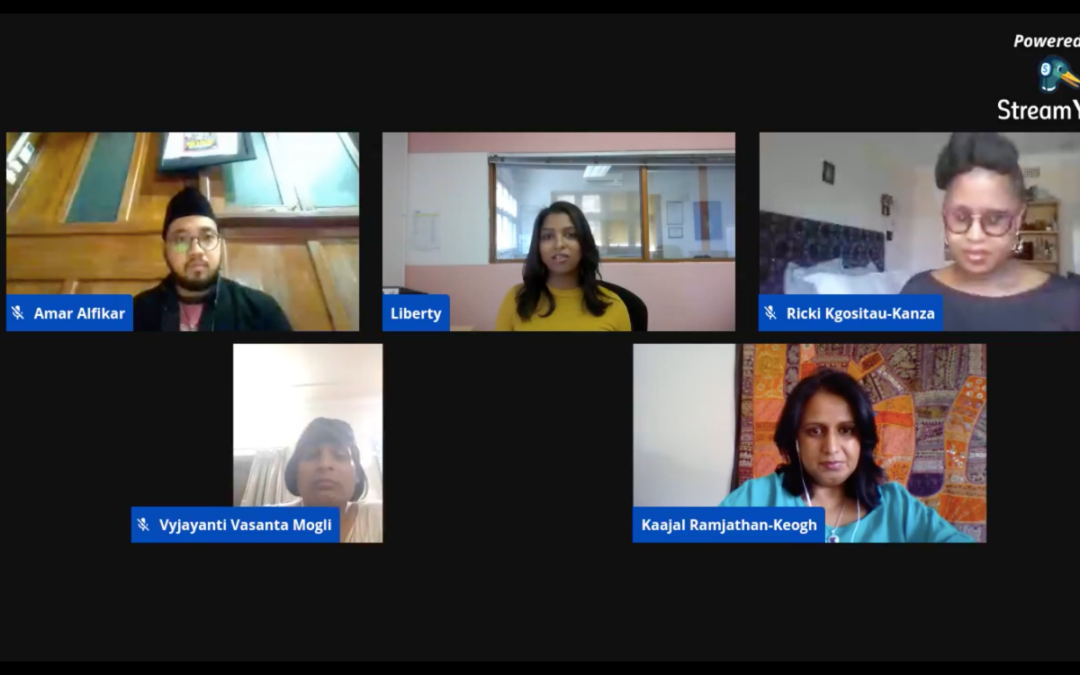
On 18 November 2020, the ICJ hosted a Facebook Live with four transgender human rights activists from Asia and Africa. It highlighted the stark reality between progressive laws and violent lived realities of transgender people.
The 20th November 2020 marks the Transgender Day of Remembrance (TDOR), the day when transgender and gender diverse people who have lost their lives to hate crime, transphobia and targeted violence are remembered, commemorated and memorialized.
The discussions focused on their individual experiences of Transgender Day of Remembrance in their local contexts, the impact of COVID-19 on transgender communities and whether laws are enough to protect and enforce the human rights of transgender and gender diverse people.
The renowned panelists were from four different countries, Amar Alfikar from Indonesia, Liberty Matthyse from South Africa, Tshepo Ricki Kgositau-Kanza from Botswana and Vyjayanti Vasanta Mogli from India. The panel was moderated by the ICJ Africa Regional Director, Kaajal Ramjathan-Keogh.
The panel aimed to provide quick glimpses into different regional contexts and a platform for transgender human rights activists’ voices on the meaning of Transgender Day of Remembrance and the varied and devastating impacts of COVID-19 on transgender people.
The speakers discussed the meaning that they individually ascribe to Transgender Day of Remembrance. A common theme running across the conversations was that it is not enough to highlight issues and concerns of the transgender community only on this day. Instead, these discussions should be part of daily conversations about the human rights of transgender people at the local and international level.
Liberty Matthyse discussed the importance of remembering the transgender persons who have lost their lives over the past years, and added:
“South Africa generally is known as a country which has become quite friendly to LGBTI people more broadly and this, of course, stands in stark contradiction to the lived realities of people on the ground as we navigate a society that is excessively violent towards transgender persons and gay people more broadly.”
Amar Alfikar describes his work as “Queering Faiths in Indonesia”. This informs his understanding of what Transgender Day of Remembrance means in his country and he believes that:
“Religion should be a source of humanity and justice. It should be a space where people are safe, not the opposite. When the community and society do not accept queer people, religion should start giving the message, shifting the way of thinking and the way of narrating, to be more accepting, to be more embracing.”
It was clear from the discussions that a lot of the issues that have become prominent during the COVID-19 pandemic, have not arisen due to the pandemic. In fact, the COVID-19 pandemic has had the effect of a magnifying glass, amplifying existing challenges in the way that transgender communities are treated and driven to margins of society. Speaking about the intersectionality of transgender human rights, Vyjayanti Vasanta Mogli said:
“I don’t think LGBT rights or transgender rights exist in isolation, they are part of a larger gamut of climate change, racial equality, gender equality, the elimination of plastics, and all of that.”
The panelists had different opinions on whether it is enough to rely on the law for the recognition and protection of the human rights of transgender individuals.
The common denominator, however, was that the laws as they stand have a long way to go before fully giving effect to the right of equality before the law and equal protection of the law without discrimination of transgender people.
Tshepo Ricki Kgositau-Kanza, who was a litigant in a landmark case in Botswana in which the judiciary upheld the right of transgender persons to have their gender marker changed on national identity documents, explained the challenges with policies which, on their face, seem uniform:
“Uniform policies… are very violent experiences for transgender persons in a Botswana context where the uniform application of laws and policies is binary and arbitrarily assigned based on one’s sex marker on one’s identity document which reflects them either as male or female. Anybody in between or outside of that kind of dichotomy is often rendered invisible and vulnerable to a system that can easily abuse them.”
This conversation can be viewed here.
Contact
Tanveer Jeewa, Communications Officer, African Regional Programme, e: tanveer.jeewa(a)icj.org
Jul 5, 2020 | News
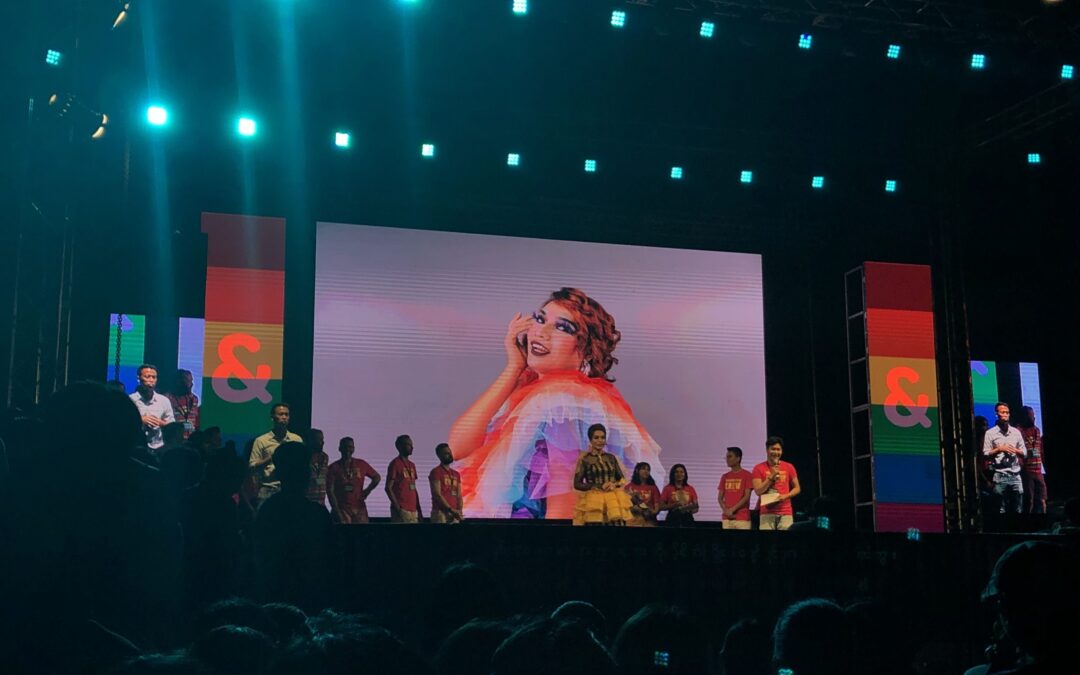
The ICJ hosted live interviews with human rights defenders from Asia, Africa and Latin America to mark Pride Month, which is celebrated during the month of June in various parts of the world. The interviews took place from 22 June to 3 July 2020.
In total, 13 human rights defenders from 11 countries spanning three continents, who are working to uphold the human rights of of lesbians, gay, bisexual, transgender (LGBT) individuals, were interviewed.
The interviews discussed existing legal systems that discriminate on the basis of sexual orientation, gender identity and expression (SOGIE) and the impacts of COVID-19 on existing activism, .
The interviews aimed to provide quick snapshots of different country and regional contexts and a platform for LGBT activist voices on the varied and devastating impacts of COVID-19 on LGBT people.
Debunking cultural myths
In many countries around the world where people are criminalized or stigmatized as a result of harmful steretypes and prejudice on the grounds of their real or imputed SOGIE, public discourse tend to cast LGBT relationships and identities as threats to culture, religion or beliefs and the future of the nation. These interviews endeavoured to interrogate and debunk cultural and regional myths surrounding SOGIE identities as ‘Western’ constructs.
In a response to homosexuality being said to be ‘unAfrican’, Kutlwano Pearl Magashula, executive officer for program functions at the Other Foundation from Botswana, said:
“Utterances that suggest that homosexuality is unAfrican enforce stigma and violence and serve to carve deep roots in the consciousness of people around the world that breed discrimination and treating people differently.”
Devastating impacts of COVID-19 on LGBT people
Important impacts of COVID-19 on LGBT people were highlighted by different speakers, ranging from a loss of livelihood, vulnerability to violence at home and in public spaces, as well as challenges in accessing healthcare.
“There is violence against transgender women sex workers. The police arrest them, yell at them and shoot at them with rubber bullets. This is a recent episode here in Colombia and it is terrible. If they don’t work, they don’t have money to buy food and pay the rent. It is a difficult scenario,” Dejusticia researcher Santiago Carvajal Casas from Columbia said.
Pre-existing inequalities and landmark wins
Personal experiences of ‘life after’ important wins from around the world were shared. Some important gains from the decriminalization of consensual same-sex sexual relationships in Botswana and India, as well as the recent legalization of same-sex marriage in Taiwan must be celebrated. However, many of these wins may remain illusory for people who have been discriminated against on the basis of class, caste and other status inequality, or are without social support, especially in the face of COVID-19.
“What we really need is social protection, we need a safety-net for all those who are close to the poverty line and who are likely to go below the poverty line because of disasters like the COVID-19 epidemic or catastrophic out of pocket healthcare expenditures. We definitely need accessible healthcare for everyone and livelihood.” – Dr. L Ramakrishnan, public health professional and Vice-President of SAATHII, India
Watch the Facebook lives below:
Kutlwano Pearl Magashula, Executive Officer for Program Functions at the Other Foundation, on the board of LEGABIBO as the vice-chairperson and co-founder of the autonomous feminist collective Black Queer DocX (Botswana)
Busisiwe Deyi, Commissioner of CGE/ Lecturer of Jurisprudence (South Africa)
Letlhogonolo Mokgoroane, lawyer activist and podcaster (South Africa)
Lini Zurlia, advocacy officer at ASEAN SOGIE Caucus (ASEAN/Indonesia)
Yee Shan, member of Diversity Malaysia (Malaysia)
Sirasak Chaited, human rights campaigner, LGBT+ and sex worker rights activist (Thailand)
Santiago Carvajal Casas, Dejusticia researcher (Colombia)
Sih-Cheng (Sean) Du, Director of Policy Advocacy at Taiwan Tongzhi (LGBTQ+) Hotline Association (Taiwan)
Neeli Rana, transgender activist (Pakistan)
Riska Carolina, The Indonesian Plan Parenthood Association (IPPA) member (Indonesia)
Hla Myat Tun, Deputy Director from Colors Rainbow and Co-Director at &PROUD (Myanmar)
Dr. L Ramakrishnan, Vice President Saathii, activist, public health professional (India)
Nigel Mpemba Patel, Associate editor at the South African Journal on Human Rights and research consultant at ILGA World (Malawi)
***
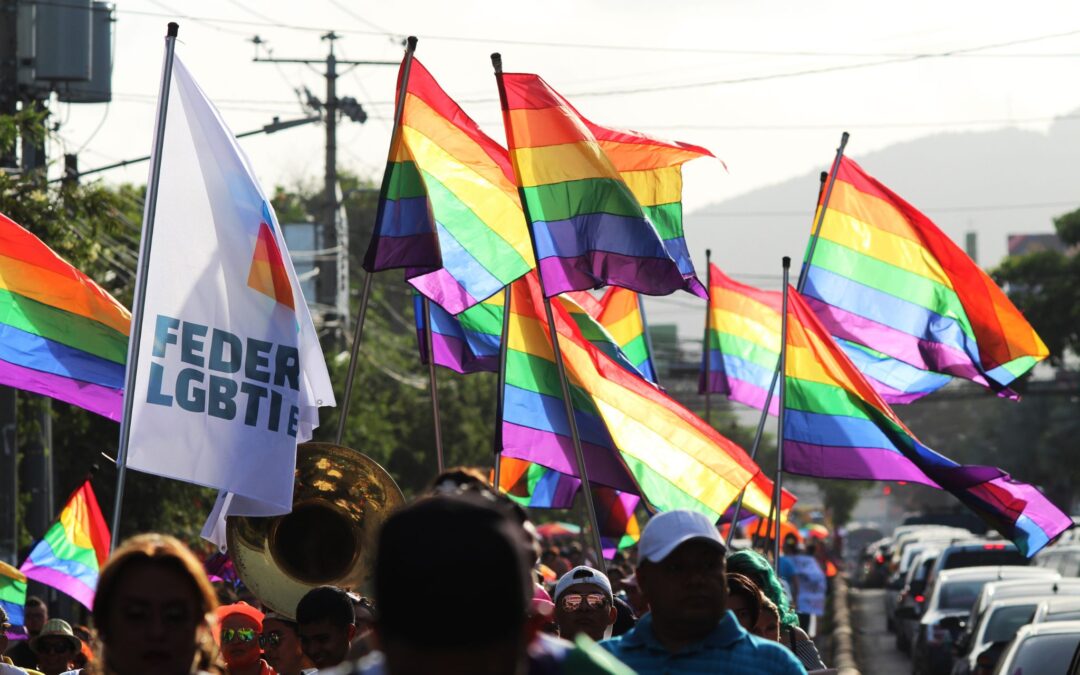
Cover photo by Violaine Biex-Colors Rainbow, Myanmar.
Apr 7, 2020 | News
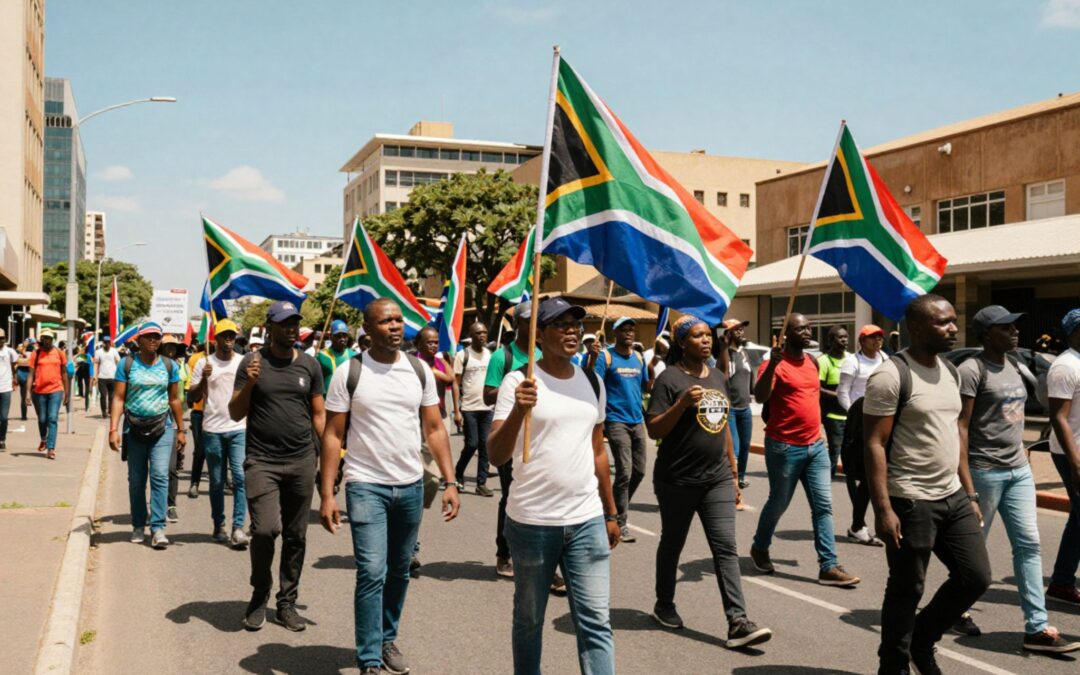
As South Africa enters into its second week of a 21-day lockdown, the ICJ calls on national, provincial and local government authorities to urgently implement measures to prevent sexual and gender-based violence (SGBV) and protect women and children from it.
The country has been under lockdown since 26 March, with the population remaining at home, physically isolated in an attempt to ‘flatten the curve’ of transmission of the Covid-19 virus.
However, the lockdown means that some are trapped in their homes with their oppressors.
“A lockdown impacts women differently. For some women, being forced into lockdown with an already abusive partner heightens the risk of abuse and violence. It also means less support and fewer chances to seek help,” ICJ Senior Legal Adviser Emerlynne Gil said.
On 3 April, Police Minister Bheki Cele said that the South African Police Services had received 87,000 SGBV complaints violence during the first week of the national Covid lockdown.
Among the complainants was the wife of a police officer who reported that her husband had raped her. The officer has since been arrested.
The South African authorities have taken some steps to enhance women’s access to protection from SGBV during this lockdown, including by ensuring that women have access to courts for urgent civil matters, such as protection orders, as well as ensuring that there is an SMS line through which they can seek help.
Social services and shelters have also been made available. However, the authorities can and should go further in ensuring that these services are widely publicized, and that women have effective access them during the lockdown.
“Under international human rights law, States are legally obliged to take measures to prevent, address and eliminate SGBV,” ICJ Legal Associate Khanyo Farisè said.
“The South African authorities should do more, in particular, by raising awareness about GBV and providing comprehensive multi-sectoral responses to victims.”
Under international human rights law binding on South Africa, such as the Convention on the Elimination of All Forms of Discrimination against Women, States are obligated to take all appropriate measures to eliminate violence against women of any kind occurring within the family, at the work place or in any other area of social life.
In a previous statement, the ICJ also called on States to ensure that measures to tackle Covid-19 are gender responsive.
The ICJ calls on South African authorities to:
- Widely publicize health and legal services, safe houses and social services and police services available to victims of SGBV, including the hotline 0800-428-428 or *120*786#
- Effectively respond to reported cases of SGBV and provide protection to victims through a multi-sectoral approach involving all relevant stakeholders.
- Investigate the causes of SGBV, including the surge of this scourge in the South African context during the COVID19 pandemic, and identify further measures to protect women against SGBV that are specifically required during pandemics.
- Implement “pop-up” counseling centres in mobile clinics or in pharmacies to support women who experience SGBV.
- Include the work of domestic violence professionals as an essential service and provide emergency resources for anti-domestic abuse organizations to help them respond to increased demand for services.
Contact
Khanyo Farisè, ICJ Legal Associate, e: nokukhanya.Farise(a)icj.org
Shaazia Ebrahim, ICJ Media Officer, e: shaazia.ebrahim(a)icj.org
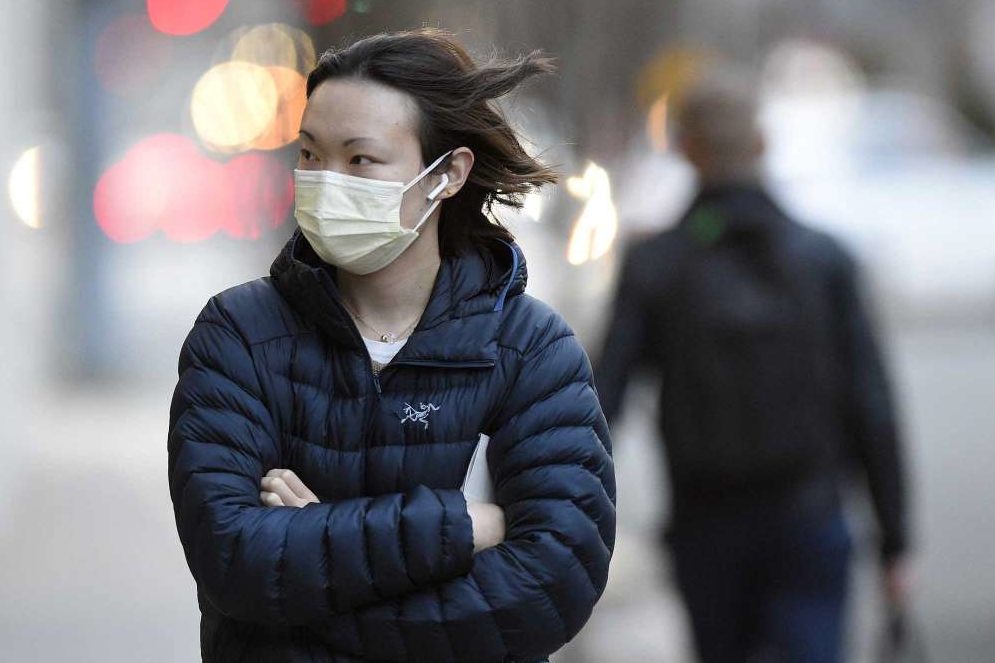
Apr 6, 2020 | Feature articles, News
A Feature Article by the Access to Justice for Women Team of the ICJ.
As the COVID-19 pandemic spreads across the globe, many governments are introducing a spectrum of measures to curb the spread of the novel coronavirus, including travel bans, lockdowns, curfews, and school, workplace and border closures.
While it is important that States act decisively in discharge of their obligations to protect the rights to life and health of all people during this pandemic, it is equal that they do so in a human rights compliant manner, so as not to compound the harms brought directly by the virus.
This entails, among other things, acting in a manner that provides equal protection and is non-discriminatory. Complying with these principles requires taking into account gender impacts and providing for gender-specific responses.
However, a number of measures presently being taken by governments around the world to attempt to curb the spread of the virus can be expected to exacerbate pre-existing gender inequalities and therefore disproportionately affect women’s enjoyment of social and economic rights.
Many women who are disabled, refugees, migrants, detainees, living in poverty and or belonging to ethnic, racial, religious or sexual minority groups are experiencing or are likely to experience intersecting forms of discrimination during this time of crisis.
What Does #StayHome Mean to Women?
Lockdowns, quarantines, and school closures to control the pandemic in many countries have a differential effect on women.
Women and girls are most expected to perform caregiving role within families, which means less economic and work opportunities for them and thus denying their basic rights to development.
This condition is worsened if they are being quarantined with an abusive partner as they are exposed to greater risks of intimate partner violence during the outbreak.
Unfortunately, in many places there is a significant lack of guidelines or information on how to contact police, access medical treatment, psychological support, or access to shelters when domestic violence occurs during the pandemic.
In the UK, for example, while 25 organizations helping domestic violence victims have reported an increase in their cases since the surge of the COVID-19 epidemic, one quarter said they could not effectively support victims because of technical issues, inability to meet victims, and staff sickness.
Additionally, with resources already stretched in fighting the spread of the virus, many State authorities may not see as a priority access to comprehensive sexual and reproductive health services for women, which are already restricted by prohibitive laws and customs in many contexts.
This results in significant limitations on women’s rights to menstrual health, maternal health, and safe abortion.
Women at Work
According to the International Labour Organization (ILO), women are over-represented in more affected sectors (such as services) or in occupations that are at the frontline of dealing with the pandemic.
The ILO estimates that 58.6 percent of employed women work in the services sector around the world. Women also have less access to social protection and will bear a disproportionate burden in the care economy, in the case of closure of schools or care systems.
Women migrant workers are also vulnerable to the impact of the COVID-19 crisis, as extensive travel restrictions constrain both their ability to access their places of work in destination countries and return to their families.
Women at the Border: Refugees & Asylum seekers
There is a severe lack of secure, safe and accessible infrastructure and services in most refugee camps and temporary settlements.
Asylum seekers face right now a long wait if the courts are closed due to the pandemic, or worse, being returned to their home country without having a chance to pursue their claims, sometimes in violation of the principle of non refoulement.
As the virus hits overcrowded displacement sites, the consequences can expected be catastrophic. Moreover, in this setting, studies found that women and girls are often exposed to sexual violence and exploitation when they are forced to openly defecate or walk to shared sanitation facilities.
All State Measures to COVID-19 Must Be Gender Responsive
Under the International Covenant on Economic, Social and Cultural Rights (ICESCR), States have duty to achieve the full realization of the right to everyone to the enjoyment of the highest attainable standard of physical and mental health.
The Convention on the Elimination of All Forms of Discrimination against Women (CEDAW) also provides of the obligation of States to take all appropriate measure to eliminate discrimination against women in the field of health care in order to ensure, on a basis of equality of men and women, access to health care services, including those related to family planning.
Furthermore, failure to recognize the gender dynamics of outbreaks limits the effectiveness of response efforts and consequently impedes women’s rights.
In order for the response to disease outbreaks such as COVID-19 to be effective and not reproduce or perpetuate gender and health inequities, it is important that gender norms and roles are identified and incorporated in all socio- economic measures established to counter the pandemic.
Further, the emergency preparedness and response plan must address gender roles, responsibilities, social norms and specific needs of women.
States should also provide new strategies for women victims of domestic violence to be protected during the lockdown.
Governments should include the work of domestic violence professionals an essential service and provide emergency resources for anti-domestic abuse organizations to help them respond to increased demand for services.
They should also consider, alternative means, such as through “pop-up” counseling centers, reporting in pharmacies, to encourage women to report domestic violence.
Governments must ensure all measures to combat the outbreak are gender responsive while being in strict accordance with human rights standards.
While states may limit or derogate from certain rights to meet a public health crisis, such restrictions are always subject to the principles of legality, necessity proportionality and nondiscrimination.
Given that women are often to be found in the more vulnerable categories of informal work, for instance, as domestic workers or self-employed home-based workers, authorities should enhance universal access to collectively-financed health services for all, including uninsured workers and their families.
States must also expand access to collectively-financed paid sick leave, sickness benefits, and parental or care leave to ensure income security for those who are sick, quarantined or caring for children, elderly or other family members.
Moreover, governments should ensure that women asylum seekers, internally displaced persons, and refugees are included in national COVID-19 surveillance, preparedness, and response plans, and ensure that menstrual hygiene, reproductive, and other primary health care commodities are well-stocked and available.
Lastly, perspectives, experiences, and voices of diverse women, including LBTI persons (as enshrined in the Yogyakarta Principles), should be included in decision-making process around the COVID-19 outbreak measures because effective global responses, to public health emergencies must be in line with the rights and needs of affected women.
***
Download the Op-Ed in other languages:
Nepali (PDF)
Tamil (PDF)
Sinhala (PDF)
Indonesian (PDF)