Sep 14, 2020 | News
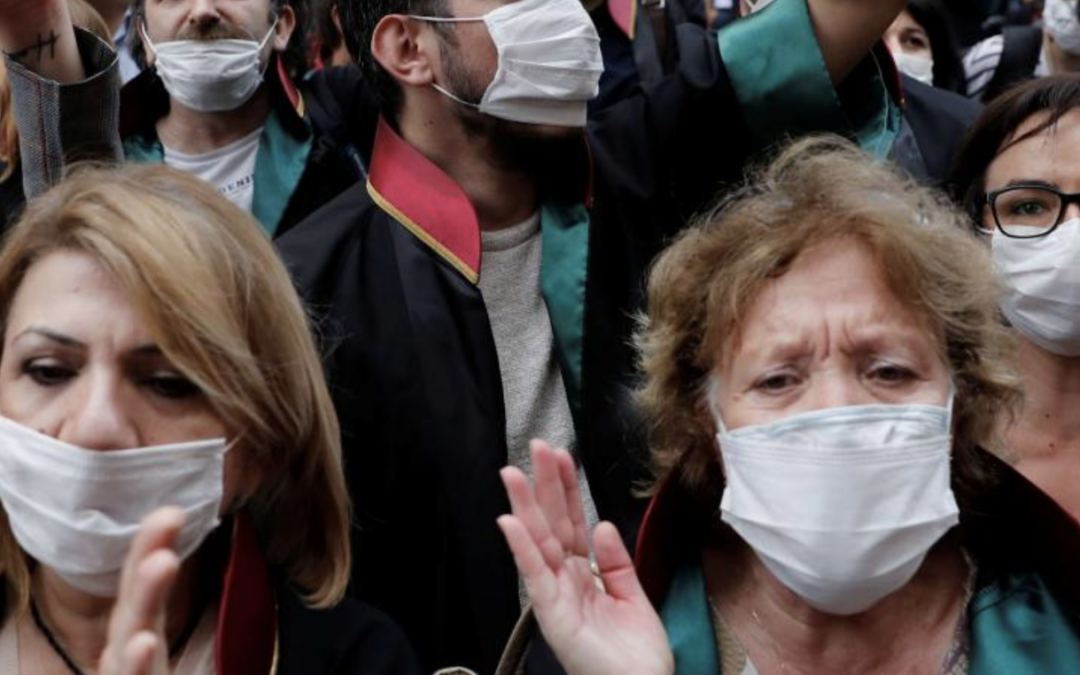
The ICJ expressed today its deep concern at the arrest order of some 60 lawyers in Turkey on grounds allegedly linked to the representation of their clients, in breach of Turkey’s international law obligations.
The ICJ understands that around 47 lawyers have been arrested on 11 September in Turkey while 13 others are being searched by police for allegedly acting on behalf of clients accused of participation in the Gülenist movement, called by Turkish authorities the “Fetullahist Terrorist Organisation” (FETO). It has been reported that lawyers were interrogated about their professional activities.
“Lawyers should never be arrested or sanctioned for representing their clients, or identified with their clients causes,” said Roisin Pillay, Director of the ICJ Europe and Central Asia Programme,
“This is a basic principle of the independence of the legal profession and international law and its respect is essential to ensure that everyone has the right to a fair trial.”
The ICJ will follow the case closely to ensure that international law and standards are respected concerning any action against the lawyers arrested.
“If the sole charges against the lawyers arrested are related to their work as lawyers representing their clients, they should be immediately released,” added Roisin Pillay.
The ICJ stressed that they should not be subject to arrest for the legitimate exercise of any human rights and fundamental freedoms. In the event that any of them are subject to charges for cognizable crime consistent with Turkish and international law, they must be brought immediately before a court to consider whether any continued detention is lawful. If charged, they must be in ensured all rights of fair trial by independent and impartial courts.
The UN Basic Principles on the Role of Lawyers say that “lawyers shall not be identified with their clients or their clients’ causes as a result of discharging their functions” (article 18).
Contact:
Roisin Pillay, e: roisin.pillay(a)icj.org
Massimo Frigo, e: massimo.frigo(a)icj.org – t: +41797499949
Sep 14, 2020 | Advocacy, Non-legal submissions
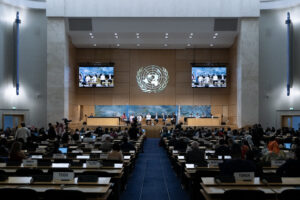
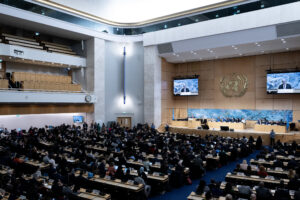
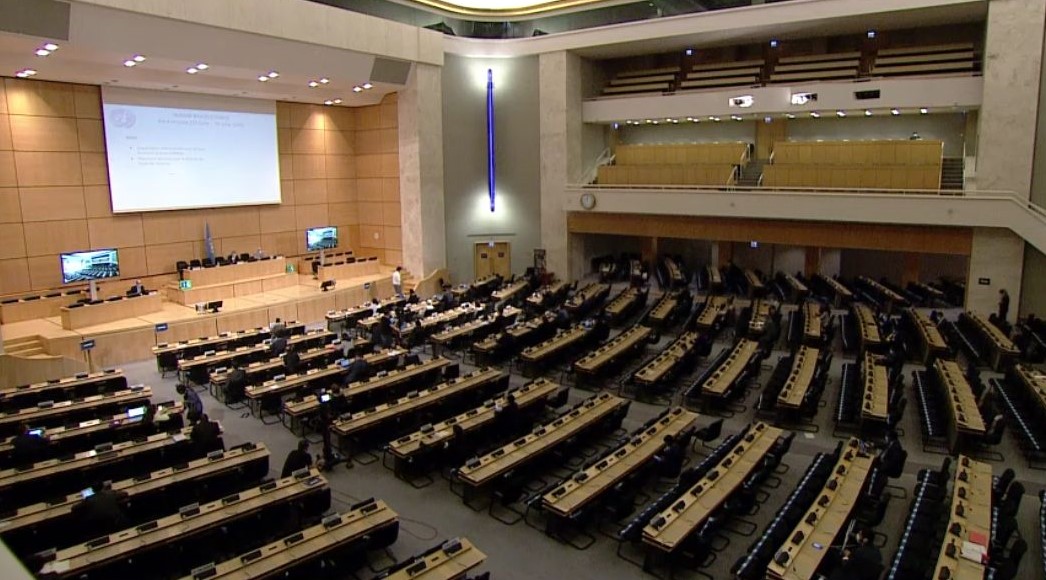
In a statement to the UN Human Rights Council in Geneva, the ICJ has welcomed the report of the Independent Investigative Mechanism for Myanmar (IIMM)
The oral statement was delivered in an interactive dialogue with the IIMM, and read as follows:
“The ICJ salutes the Mechanism in setting up the necessary infrastructure for its operation despite the challenges brought about by the COVID-19 pandemic. Given the lack of genuine and independent domestic investigation and prosecution of serious human rights violations in Myanmar, the efficient establishment of the Mechanism is welcomed.
The ICJ shares its concern over the Government of Myanmar’s lack of cooperation with the Mechanism. The ICJ recalls Myanmar’s obligation to ensure accountability for serious human rights violations occurring in Myanmar, including, but not limited to, the acts against ethnic Rohingya that were the subject of the report of the Government-appointed Independent Commission of Enquiry.
Given the Mechanism’s mandate to gather and preserve evidence of any serious human rights violations committed in Myanmar from 2011 to the present, the ICJ underscores the need to investigate the widely reported accounts of killings, serious physical injury, mass displacement and destruction of property in various parts of Rakhine and Chin states in the context of the ongoing conflict between Myanmar and the Arakan Army. The Myanmar Government still refuses to hold a ceasefire despite the onset of the COVID-19 pandemic in Rakhine. The parties to the conflict must be held accountable for any violation of international human rights and humanitarian law.
The ICJ would like to ask: how can States and inter-governmental organizations strengthen support for the mandate?”
For more information, contact: Kingsley Abbott, kingsley.abbott(a)icj.org
Sep 14, 2020 | Advocacy, Cases, Legal submissions
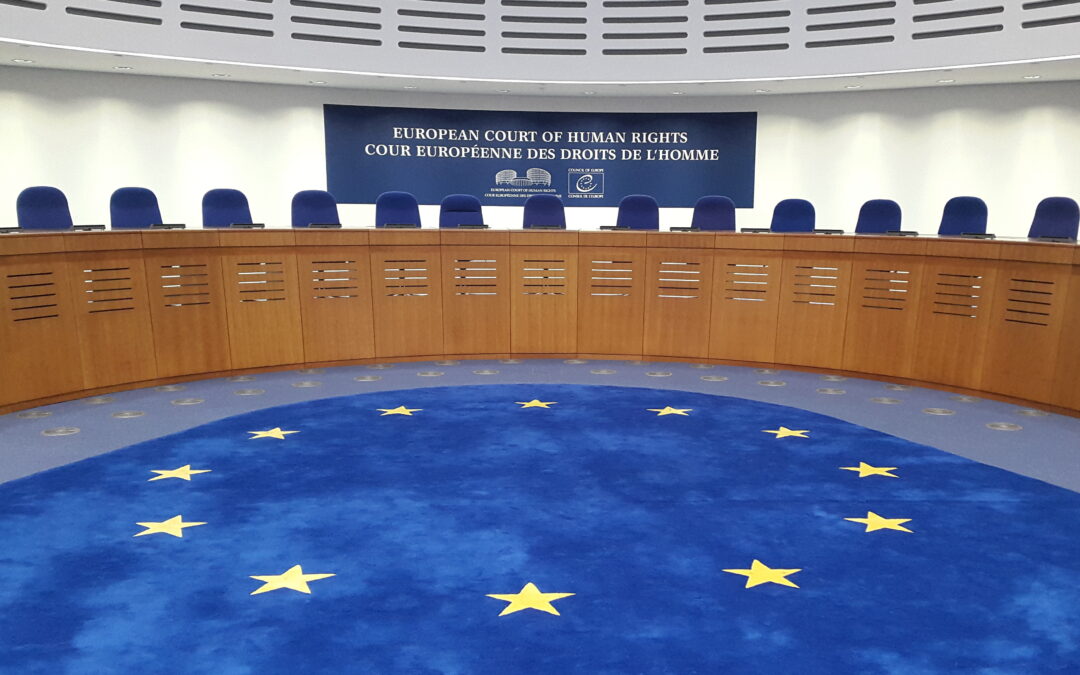
The ICJ and ECRE intervened today before the Grand Chamber of the European Court of Human Rights in the case of the extradition of a Kyrgyz national of Uzbek ethnicity back to his country of origin where he would be at risk of torture or other forms of ill-treatment .
In their submissions, the ICJ and the European Council on Refugees and Exiles (ECRE) analysed thenon-refoulement obligations of the Russian Federation under international human rights law in relation to the consideration of evidence to assess the substantial grounds to believe that a concerned person will face real risk of a serious human rights violation; and the use of diplomatic assurances purportedly to protect against torture and other serious human rights violations in light of international law.
The two NGOs also provided the Court with an update on the legal framework governing extraditions from the Russian Federation to Central Asian States, in particular Kyrgyzstan, as well as Russia’s extradition practice. They concluded that the analysis of the law and practice revealed a number of critical human rights deficits.
They submitted that the lack of respect for the procedural aspect of the principle of non-refoulement, the consequent ineffectiveness of domestic remedies in this regard, in the Russian Federation, and the abysmal record of Kyrgyzstan in upholding its obligation to respect and protect the prohibition of torture or other ill-treatment mean that extraditions from the Russian Federation to Kyrgyzstan entail a high risk of violations of both substantive and procedural aspects of the principle of non-refoulement.
These submissions are an update of the third party intervention submitted by the ICJ before the Chamber of the European Court of Human Rights on 22 September 2016. The Chamber had ruled that no risk of breach of the principle of non-refoulement existed in the case but the judgment is now subject to the review of the Grand Chamber.
ECtHR-TK and others v Russia-GC-ICJECRE-Final (download the third party intervention)
Sep 14, 2020 | News
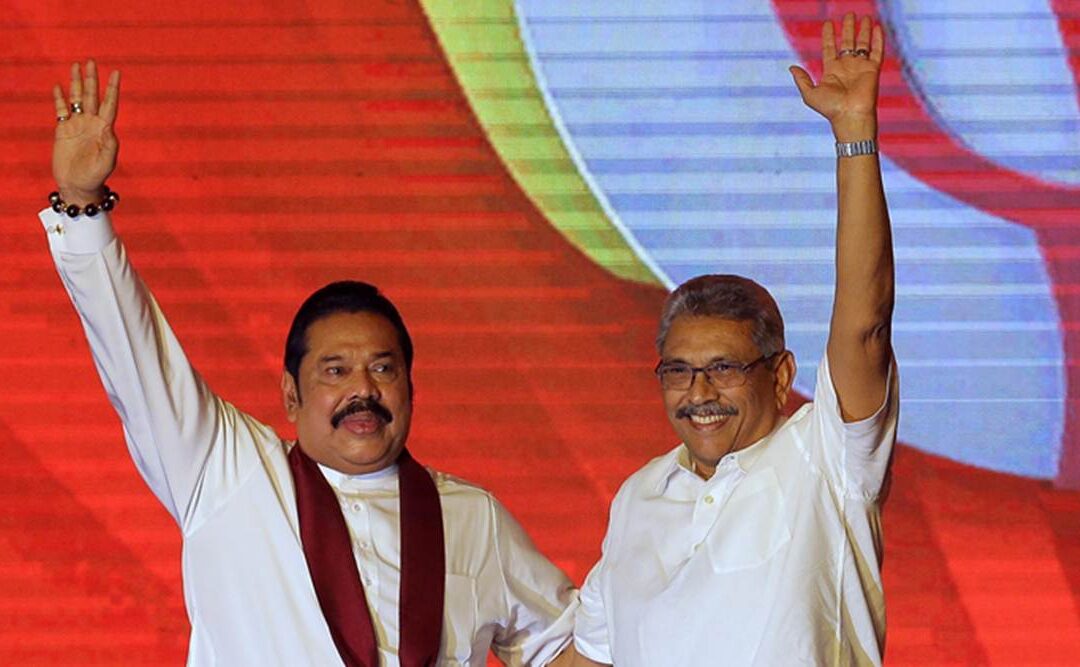
The Sri Lankan parliament should reject the Sri Lankan Government’s efforts to amend the country’s constitution to provide unfettered powers to the President while encroaching on the powers of the legislature and infringing upon the independence of the judiciary, said the ICJ today.
“The proposed 20th Amendment, which bestows an already powerful executive president with additional powers with no effective checks on him, essentially placing him above the law,” said Sam Zarifi, ICJ’s Secretary General. “These amendments would tilt the balance of State power heavily on the side of the executive and in particular on a single person.”
The proposed 20th Amendment to the Constitution bill rolls back most of the reforms brought about by the 19th Amendment to the Constitution, the passage of which the UN Human Rights Council welcomed as “promoting democratic governance and oversight of key institutions”.
The 19th amendment, adopted in 2015, had imposed certain limits to the Executive President’s authority and powers, including in respect of terms of the office of President, the capacity to dissolve Parliament and to fast-track legislation. It also removed the blanket immunity the President enjoyed from legal proceedings. Critically, it had established a Constitutional Council which restrained the President’s discretion in appointing key governmental actors including in the judiciary, the Attorney General and the Inspector General of Police.
The ICJ notes that the 20th amendment appears to reproduce much of the regressive features of the old 18th amendment, which the 19th amendment had been brought about to correct.
“Sri Lanka’s Executive branch has a poor record of respecting human rights and the rule of law, and the 19th Amendment was an effort to impose the checks and balances necessary for the rule of law,” said Sam Zarifi. “The constitutional changes being proposed would take the country back to the dark days of Executive impunity.”
“We are particularly concerned that these changes would undermine the independence of the judiciary, as the President would have unfettered discretion to appoint the superior judiciary, including the Chief Justice, the President and Judges of the Court of the Appeal, and to control the Judicial Service Commission,” said Sam Zarifi.
The JSC is the body entrusted with the power to appoint, promote, transfer exercise disciplinary control and dismiss judicial officers of the subordinate courts. The changes would also grant the President the power to nominate members of the Judicial Service Commission (JSC) other than its Chairman which is ex officio, the Chief Justice.
The UN Basic Principles on the Independence of the Judiciary states that “Any method of judicial selection shall safeguard against judicial appointments for improper motives.”
Under international standards and recommendations of the UN Special Rapporteur on the Independence of the Judiciary, appointments to the judiciary should not be vested solely with the executive.
A judicial appointment process which gives the President full discretion would inevitably result in the significant erosion of the independence and impartiality of the Sri Lankan judiciary.
Moreover, several checks placed on the President’s powers by the 19th Amendment have also been removed while giving him greater legal immunity. The President would also be granted sole power to appoint the cabinet, assign to himself any cabinet portfolio and been given unfettered discretion in relation to the appointment and dismissal of the Prime Minister. The President would also retain the power to dissolve the Parliament within one year.
Contact
For questions and clarifications: Osama Motiwala, Communications Officer – osama.motiwala(a)icj.org
Sep 14, 2020 | Advocacy, News
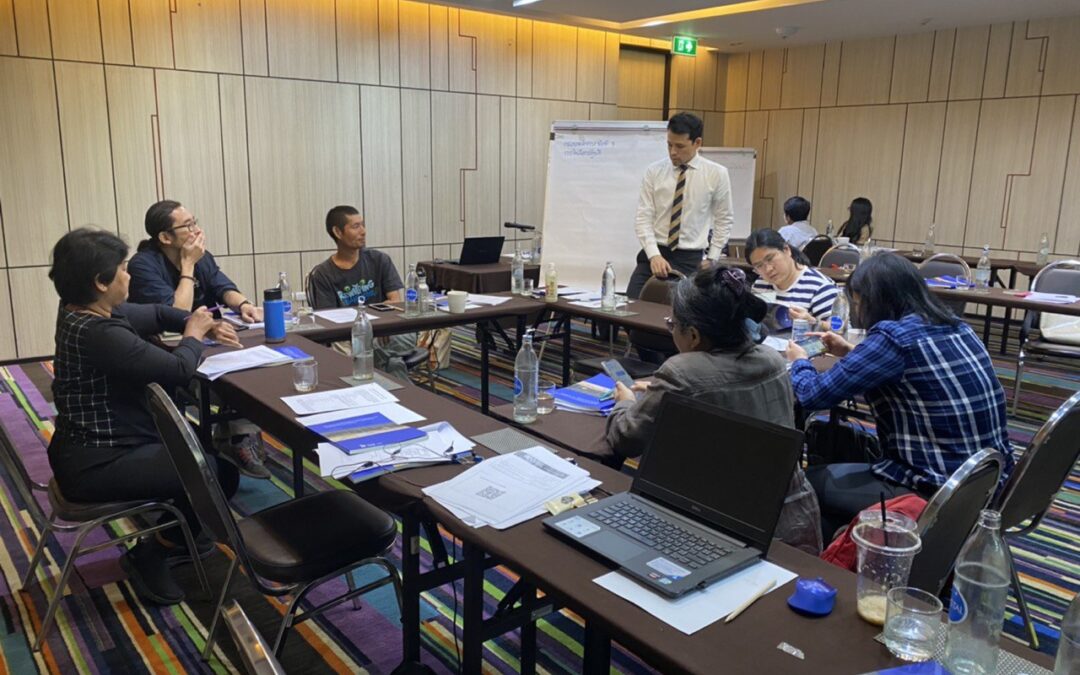
On 13 September 2020 the ICJ hosted a workshop on the impacts on economic, social and cultural rights associated with the development of Special Economic Zones (SEZs) in Thailand. Lawyers, members of civil society organizations and academics from across Thailand attended the Workshop.
The event began with an introduction to ICJ’s report – the Human Rights Consequences of the Eastern Economic Corridor and Special Economic Zones in Thailand – and outlined the deficiencies in the legal and regulatory framework governing economic development in Special Economic Zones and the Eastern Economic Corridor.
During the group discussions, participants were introduced to the international laws and standards that are applicable in the context of Thailand and can be applied to allegations of human rights violations and negative environmental impacts. They were urged to use these standards for their advocacy work.
These included economic, social and cultural rights contained in the International Covenant on Economic, Social and Cultural Rights (ICESCR), to which Thailand is a State party and other internationally recognized principles, including:
- Right to an adequate standard of living and housing under article 11 of the ICESCR, General Comments 4 and 7 of the Committee on Economic Social and Cultural Rights and the Basic Principles and Guidelines on Development-Based Evictions and Displacement – which stress the need to provide adequate legal protection from forced eviction, due process, alternative accommodation, and access to an effective remedy of those that are affected by eviction orders;
- Human rights obligations that are exercised in relation to the environment, such as obligation to facilitate public participation in decision making related to the environment, and duties to protect human rights defenders and to conduct the prior assessment of the possible environmental impacts of proposed projects and policies; and
- Rights to and at work under article 6 to 8 of the ICESCR, General Comment No. 19 and 23 of the Committee on the Economic, Social and Cultural Rights, and several ILO Conventions, particularly regarding rights abuses suffered by migrant, seasonal and subcontracted workers, as well as restrictions on freedom to join and form trade unions.
At the conclusion of the Workshop, participants exchanged views on strategies and collaboration for action to mitigate potential impacts of the Special Economic Zones and the Eastern Economic Corridor and to advance the protection of economic, social and cultural rights.
Further reading
Thailand: laws governing development of Eastern Economic Corridor and Special Economic Zones fail to adequately protect human rights – ICJ report
Thailand: ICJ hosts discussion on human rights consequences of Special Investment Zones
ICJ and Chiang Mai University discuss Special Economic Zones in Myanmar and Thailand