Nov 19, 2014 | Articles, Événements, Nouvelles, Publications, Rapports
Le 18 novembre, la CIJ a présenté, dans le cadre d’une réunion et d’une discussion au Parlement européen de Brucelles, deux nouveaux rapports sur les régimes économiques spéciaux et leur impact sur les droits sociaux au Maroc et au Pérou.
Les deux études se penchent notamment sur de l’impact des régimes économiques spéciaux sur les droits à la terre et à l’eau et sur la sécurité sociale et de l’emploi.
Ces régimes ont pour but de faciliter les exportations et les investissements dans des domaines comme l’agriculture et le textile.
Morocco-Droits sociaux et regimes speciaux-Publications-thematic report-2014-FRE (Rapport sur le Maroc en français – PDF)
Contacts:
Carlos Lopez, Senior Legal Advisor, Business and Human Rights Programme, t +41 22 979 3816, carlos.lopez(a)icj.org
Sandra Ratjen, Senior Legal Advisor, Economic, Social and cultural Rights Programme, t +41 22 979 3835, sandra.ratjen(a)icj.org
Nov 19, 2014 | Artículos, Eventos, Noticias
El 18 de noviembre, la CIJ presentó y discutió, en una reunión en el Parlamento Europeo en Bruselas, sus dos informes sobre regímenes económicos especiales y su impacto en los derechos sociales en Perú y Marruecos.
El eurodiputado Richard Howitt, miembro de la Subcomisión de Derechos Humanos del Parlamento, y el comisario de la CIJ, Olivier De Schutter, encabezaron las discusiones.
Los informes ponen de relieve el impacto en los derechos, incluidos los derechos laborales y sociales, los derechos de tierras y aguas, de regímenes económicos especiales que tienen por objeto facilitar las exportaciones y las inversiones en áreas como la agricultura y los textiles.
La reunión permitió examinar el papel que la UE y sus Estados miembros pueden y deben desempeñar en su diálogo general y cooperación con los dos países, en particular en lo que se refiere a las relaciones y acuerdos comerciales, así como a la reglamentación de las empresas comerciales de la UE que se benefician de estos Regímenes especiales.
La presentación de las investigaciones y los informes de la CIJ viene en un momento importante en las relaciones de la UE con Perú y Marruecos.
En cuanto a estos últimos, el informe de la CIJ alimentará el diálogo sobre derechos humanos entre la Subcomisión de Derechos Humanos del Parlamento Europeo y Marruecos que se celebra hoy en Bruselas.
Peru-Regimenes especiales exportacion-Publications-thematic report-2014-SPA (Full report in Spanish – PDF)
Contactos:
Carlos Lopez, Senior Legal Advisor, Business and Human Rights Programme, t +41 22 979 3816, carlos.lopez(a)icj.org
Sandra Ratjen, Senior Legal Advisor, Economic, Social and cultural Rights Programme, t +41 22 979 3835, sandra.ratjen(a)icj.org
Nov 19, 2014 | Events, News
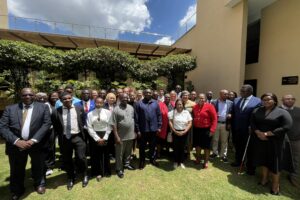
On 18 November, the ICJ presented and discussed, in a meeting at the European Parliament in Brussels, its two reports on special economic regimes and their impact on social rights in Peru and Morocco.
MEP Richard Howitt, Member of the Subcommittee on Human Rights at the Parliament, and ICJ Commissioner Olivier De Schutter led the discussions.
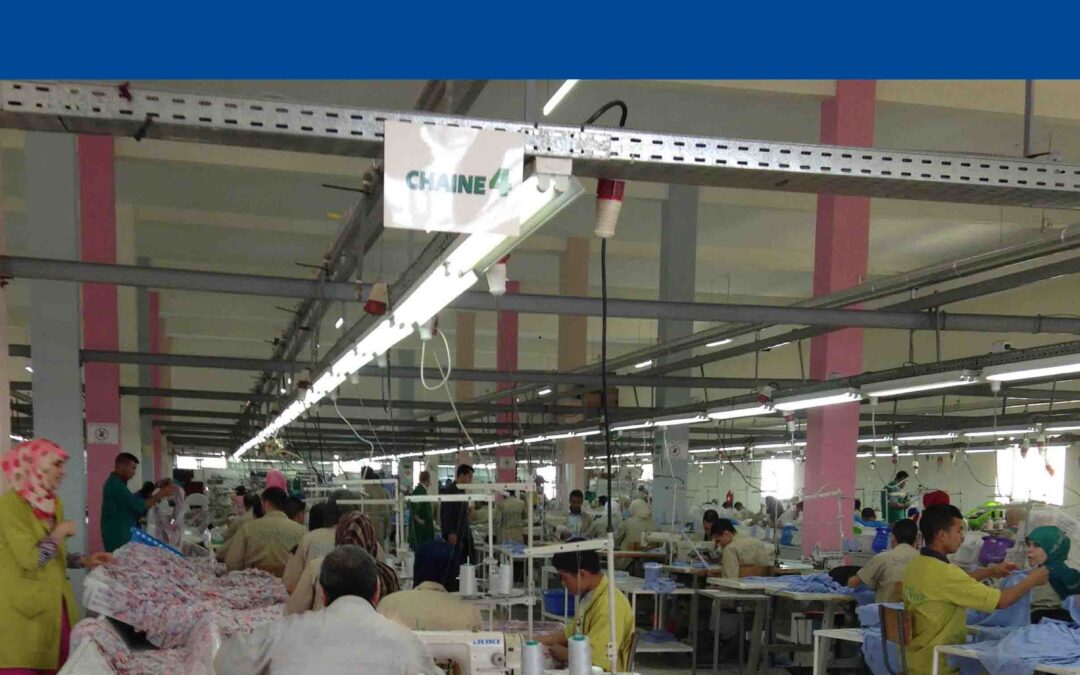
The reports highlight the impact on rights, including labour and social security, land and water rights, of special economic regimes that aim at facilitating exports and investment in areas such as agriculture and textile.
The meeting enabled discussion of the role that the EU and its member states can and should play in its general dialogue and cooperation with the two countries, particularly in regard to trade relationships and agreements and also the regulation of the EU based business enterprises benefiting from these special regimes.
The presentation of the ICJ research and reports comes at an important moment in the relationships of the EU with both Peru and Morocco.
As to the latter, the ICJ report will feed into the Human Rights dialogue between the Subcommittee on Human Rights of the European Parliament and Morocco that is taking place today in Brussels.
Reports:
Peru-Social Rights for Export Promotion-Publications-thematic report-2014-ENG (Full report in English – PDF)
Peru-Regimenes especiales exportacion-Publications-thematic report-2014-SPA (Full report in Spanish – PDF)
Morocco-Droits sociaux et regimes speciaux-Publications-thematic report-2014-FRE (Full Report in French – PDF)
Contacts:
Carlos Lopez, Senior Legal Advisor, Business and Human Rights Programme, t +41 22 979 3816, carlos.lopez(a)icj.org
Sandra Ratjen, Senior Legal Advisor, Economic, Social and cultural Rights Programme, t +41 22 979 3835, sandra.ratjen(a)icj.org
Nov 18, 2014 | Advocacy, Cases, Legal submissions
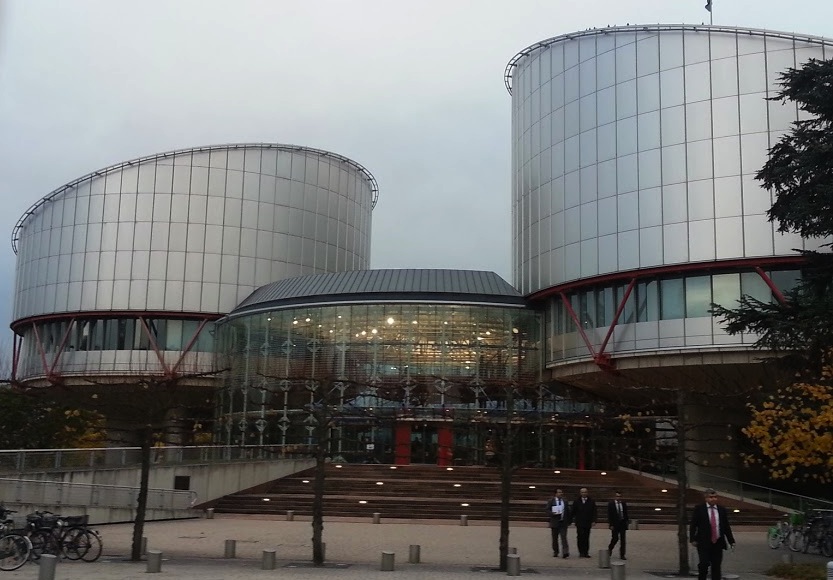
On 17 November 2014, the ICJ and ILGA-Europe filed their joint written submissions with the European Court of Human Rights in the case of Milica Đorđević and others v. Serbia (Application Nos. 5591/10, 17802/12, 23138/13 and 25474/14).
The case concerns the authorities’ decision in 2009 to relocate the applicants’ “Pride Parade” to promote the equality and visibility of lesbian, gay, bisexual and transgender people away from central Belgrade, Serbia, and the authorities’ repeated banning of Pride Parades in central Belgrade in 2011, 2012 and 2013.
The ICJ and the European Region of the International Lesbian, Gay, Bisexual, Trans and Intersex Association (ILGA-Europe)’s submissions to the Court focus on:
- the essential role of the right to freedom of peaceful assembly in a democratic society, and the scope of discretion afforded to States in determining measures required to prevent disorder at an assembly where counter-demonstrators threaten violence against groups most at risk; and
- the nature and scope of the State’s obligation in relation to the right to freedom of peaceful assembly under the European Convention on Human Rights and the International Covenant on Civil and Political Rights, focusing in particular on States’ duty to adopt legislative and administrative measures in order to fulfil their legal obligations.
SERBIA-ECHR amicus Dordevic-Advocacy-Legal Submission-2014-ENG (full text in PDF)
Nov 13, 2014 | News
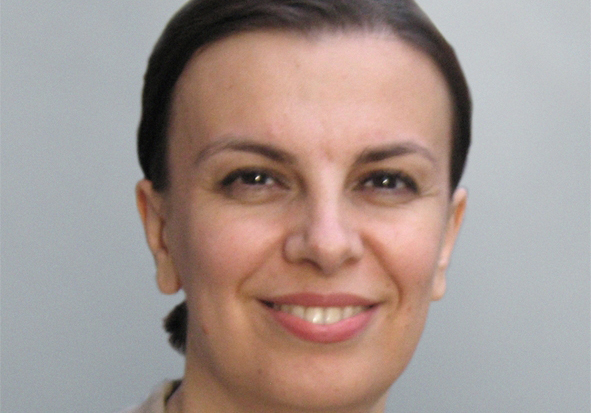
A trial observer from the ICJ Centre for the Independence of Judges and Lawyers will observe today the hearing of an appeal of disciplinary sanctions imposed on Bulgarian judge Miroslava Todorova.
The proceedings against Judge Todorova related to alleged faults associated with delays in delivering judgment in several cases. The alleged faults occured some nine years ago.
In an initial ruling in July 2012, the Supreme Judicial Council (SJC) sought to dismiss Judge Todorova from judicial service. Following judicial reviews and appeals, this was reduced at first to demotion for a period of two years, and then subsequently was reduced further to demotion for a period of one year. Both Judge Todorova and the disciplinary authority are challenging the one-year sanction in today’s hearing at the Supreme Administrative Council (SAC).
Whereas she had previously served on the Sofia City Court, during this two-year period she is permitted to work only in the lower level Sofia District Court. According to Bulgarian law, demotion is the second-most serious disciplinary sanction for a judge, one step less serious than dismissal.
ICJ has previously expressed concerns that the proceedings and sanctions against Judge Todorova may not be compatible with international standards for independence of the judiciary.
The proceedings today will also be attended by observers from Judges for Judges and MEDEL.